

For more than 150 years, the huge building towered over the East River and the Williamsburg neighborhood of Brooklyn. Inside it, the walls were damp and sticky and workers spent long days working on machines refining raw sugar. Everything changed radically in 2004. The machines stopped and the workers were laid off. For the next decade, the buildings stood empty, decaying and awaiting destruction. Thus, ended the history of the Brooklyn sugar factory Domino, as old as modern Brooklyn. Read more about its story on brooklyn-name.
Domino Park
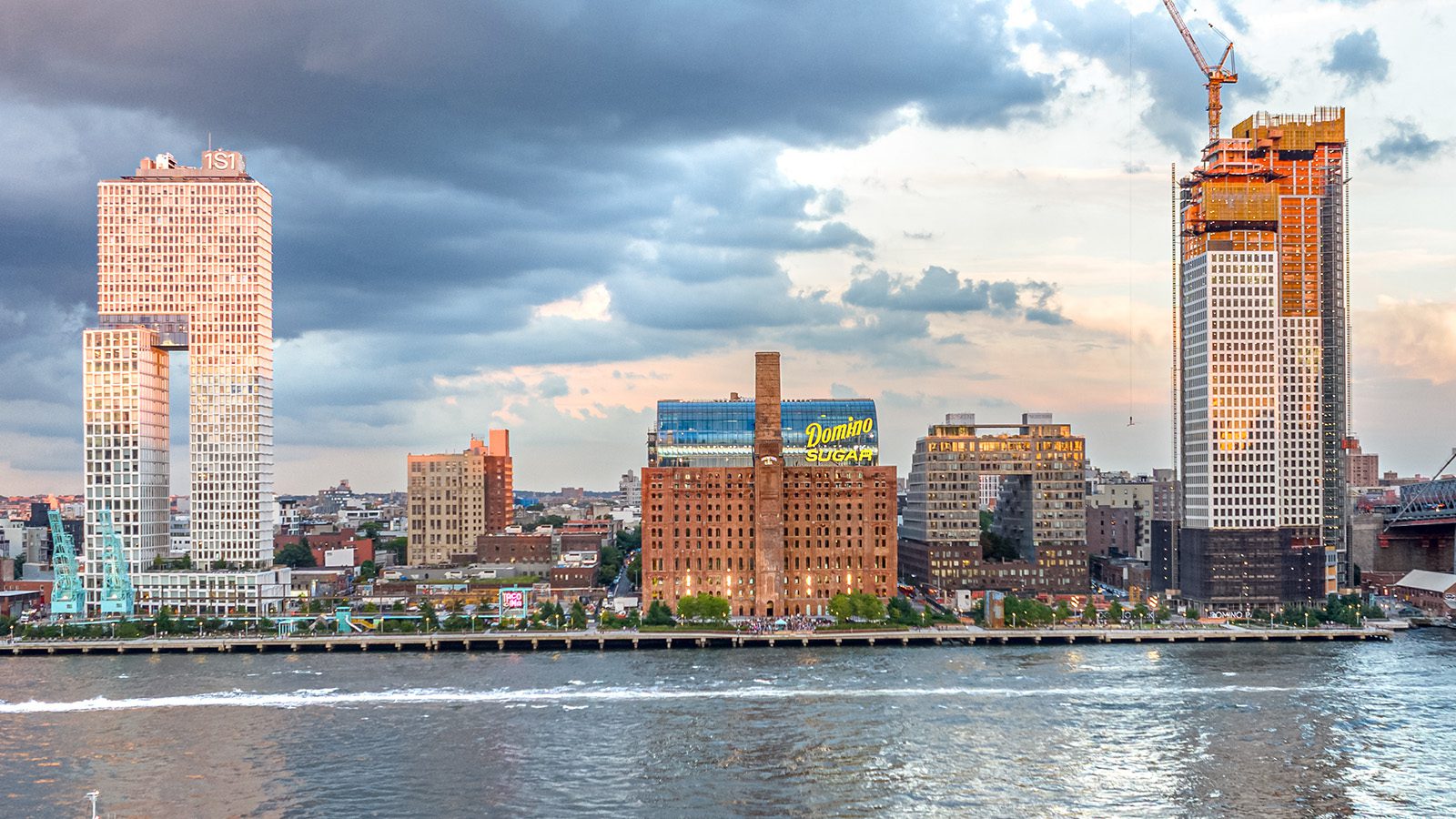
The Domino Sugar Refinery is one of New York’s architectural icons. It was the largest and most productive sugar factory in the world and once the tallest building in Brooklyn. The site also played a key role in the development of the surrounding area of Williamsburg, the industrialization of the Brooklyn waterfront and the establishment of New York as a world economic center.
In addition to sugar refining, many other industries flourished here, from coopers to confectioneries, burlap bag manufacturers and railroad companies. It was possible during the 19th and 20th centuries, as a result of the synergy of these enterprises with the production of sugar.
After its closure in 2004, developers could not figure out what to do with the building and the surrounding area for a long time. After years of various proposals, the plans were finally approved and Domino Park was opened. Its popularity skyrocketed. In the first months of operation, the park received about 400,000 visitors. Domino Park is a tribute to the history of the site and a dedication to the resilience of generations of factory workers, their families and neighbors.
Nowadays, it is not even believed that sugar refining took place here, which included the use of cattle blood, charred animal bones and at the very beginning, slave labor. These components were used in various parts of the filtration process. Interestingly, although cattle blood was discontinued at the beginning of the 20th century, bone charcoal was used until the plant was closed.
A huge production
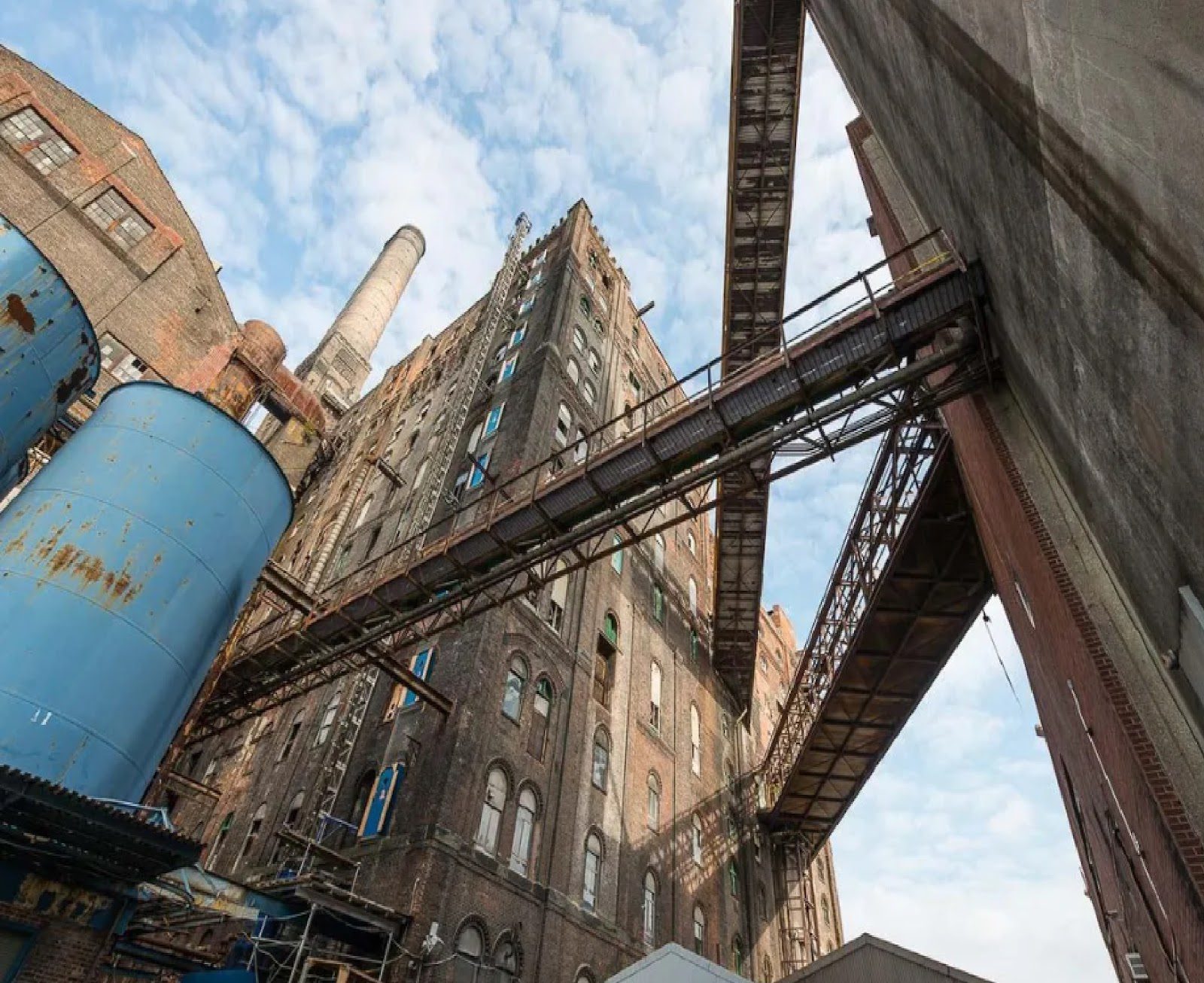
Another iconic feature of this industrial giant of its time was the factory’s smokestack. It was completed in 1936. With it, the original chimney was expanded. It is still in place. Here, you can also see a cast iron plate with the original name Havemeyers & Elder at the top of the original stack. The world famous new sign appeared in the 1950s. The floor and walls of the factory were literally covered with sugar and it was quite unusual to walk through the workshops. If you got there, your feet would stick to the floor. Tenants of these premises testified that they found molasses, which covered the walls in layers and puddles of sugar had stood here for decades.
When Domino Sugar reached its peak production in the 1980s, it processed four million pounds of sugar daily. The plant in Brooklyn was the most expensive in the Domino empire. At some point, this empire produced almost all the sugar consumed in the US.
The Havemeyer family
The success of sugar refining attracted workers from all over the world. People came to Brooklyn to find work as engineers or janitors, stenographers or porters, sugar workers and stokers.
The factory was built in 1883. It became a symbol of Brooklyn. Even a big fire did not ruin it completely. However, it destroyed most of it, namely the original premises. This industrial symbol of the borough during the Gilded Age and in the 20th century was rightly considered one of the main centers of sugar production in America.
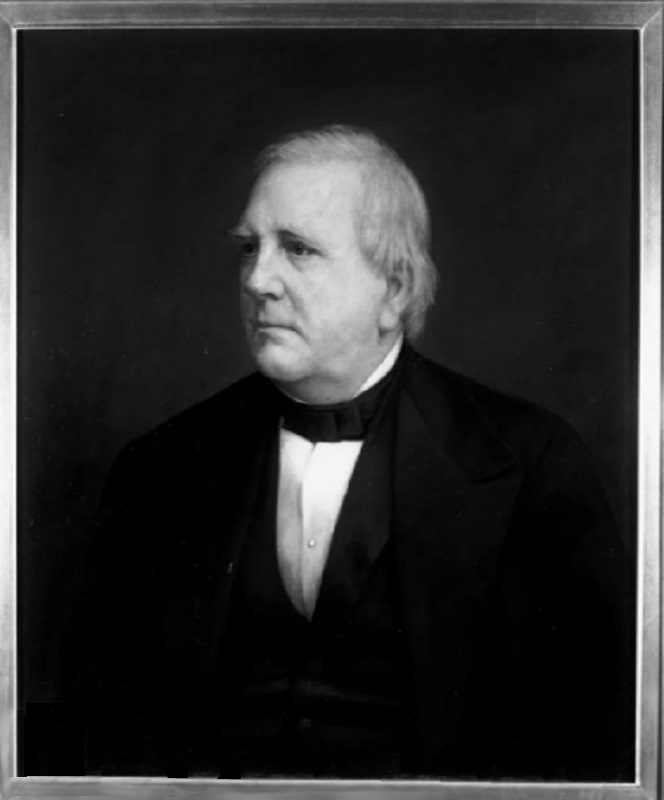
Therefore, the name Havemeyer will always stand out among other names of sugar producers of that time. This family of emigrants from Germany became famous and known not only for their business projects. They respected and engaged in both public and political activities. One of the family members, William F. Havemeyer Jr., who represented the second generation of sugar planters and ran the company from 1828 to 1842, was elected to the honorary position of mayor of New York three times in a row. Only one other candidate has run for mayor three times in a row.
The huge factory of the Havemeyers became the creator of the industrial character of Williamsburg. This led to an influx of sugar producers to Brooklyn. By the irony of fate, most of those productions, at one time, were absorbed by the Havemeyer company.
