

Any production, in one way or another, harms the ecological state of the region and its location. The metallurgical industry is considered the dirtiest. However, other industries are not far behind.
There is a neighborhood in Brooklyn that is abbreviated as DUMBO. Most of the Brooklyn industries were located there. It was the industrial corner of the borough. In the 21st century, it has become a haven for hipsters and creatives. But once upon a time, it was filled with smoke from the chimneys of various factories.
In the last century, DUMBO was home to the city’s largest soap factory. Read more at brooklyn-name.
Bridge Street
In 1915, the Kirkman & Son Soap Company constructed a simple brick building at 37 Bridge Street, without any fancy facade features. It housed the Kirkmans’ soap production.
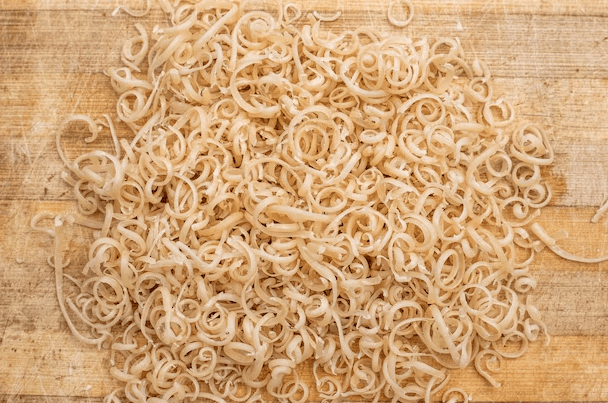
The company itself was founded in 1837 in Brooklyn. Initially, they focused on selling soap, mostly laundry soap. In addition to soap, soap shavings were also sold during those times. It was used to wash clothes and laundry, making more foam.
The Kirkman Company existed until 1929. It was bought by another large company that is well-known in the 21st century, Colgate-Palmolive.
The Kirkman trademark existed until the mid-50s. After that, soap with this name could not be bought anywhere in New York. The reason for the sale of the company remained undisclosed. Most likely, the new owners offered a very generous sum, and the Kirkman family did not want to deal with heavy production anymore. As a result, one of the largest buildings at 37 Bridge Street suffered a sad fate. First, it was forgotten and then modernized into modern lofts.
How soap is made
In the old days, soap was made from more natural and environmentally friendly products than in the period of its factory production.
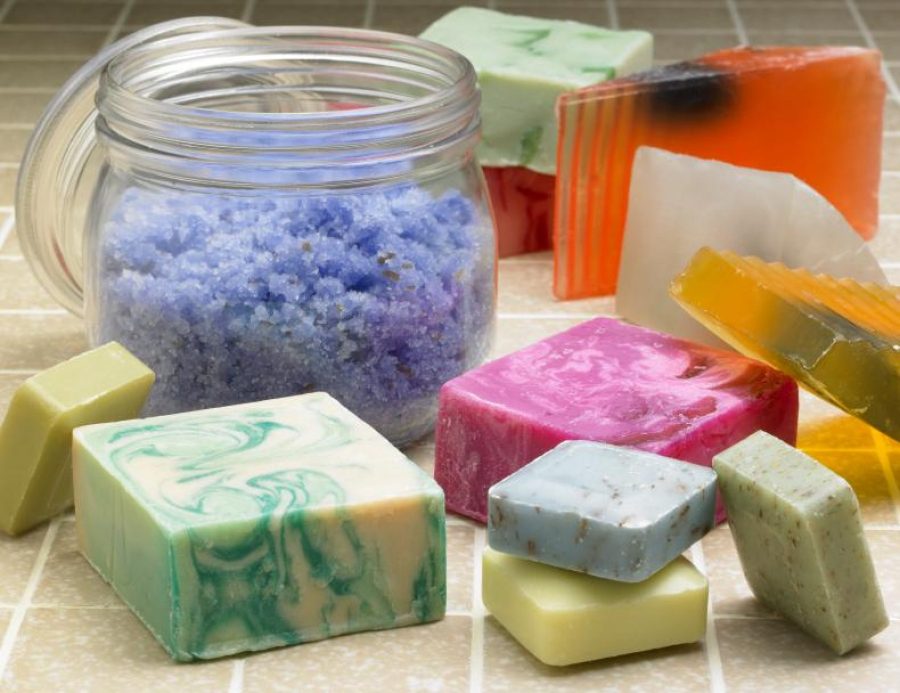
Modern soap consists of soluble salts and fatty acids. Sometimes various acids like palmitic, myristic, lauric, and others are added. With the development of soap production and the emergence of cosmetic and even medicinal soaps, dyes, flavors, boric acid, henna, birch tar, sulfur, and other substances useful for the skin were added to its composition.
The soap-making process is quite simple: boiling alkaline fats. During their boiling, glycerin and fatty acid salts are released (which is essentially what soap is). Nitrate soaps are hard, while potassium soaps are soft (also called liquid soaps). At the last stage, the soap is purified from residual salts, alkalis and glycerin.
When soap is boiled, dangerous fumes are released into the air. The production of household chemicals can harm both the environment and the workers themselves. In the 21st century, workers in such industries have protective equipment. However, in older factories, things were much worse. Hazardous substances were released into the air. Salts and alkalis evaporated and polluted everything around.
Like any other production, soap factories had their own waste. Improperly disposed of waste contaminated the territory and soil. It is paradoxical how the production of a cleaning product can pollute something.
For example, in 2018, it was reported in New York that half of all air pollution was attributed to detergents, cleaners and hygiene products. The volume of hazardous volatile components in paints, deodorants and powders is comparable to automobile pollution. Even when using a regular deodorant, its particles get into the air. Considering that almost everyone uses deodorants, it becomes clear how they pollute the air. This is just about using one type of hygiene product, not mentioning its production or more toxic “relatives” such as shampoos, cleaning products, etc.