

The first prototypes of modern sewers appeared back in ancient Rome. Although it was hard to call it a sewer at the time. Cities were drowning in sewage, dirt and foul odors, resulting in constant epidemics and diseases. The emergence of modern sewage systems was the beginning of both civilization and a longer, higher quality of life. First of all, it affected the ecology of Brooklyn.
In large cities like New York, sewers were laid gradually. In Brooklyn, full-fledged construction began in 1915. Find out more at brooklyn-name.
Laying the foundation
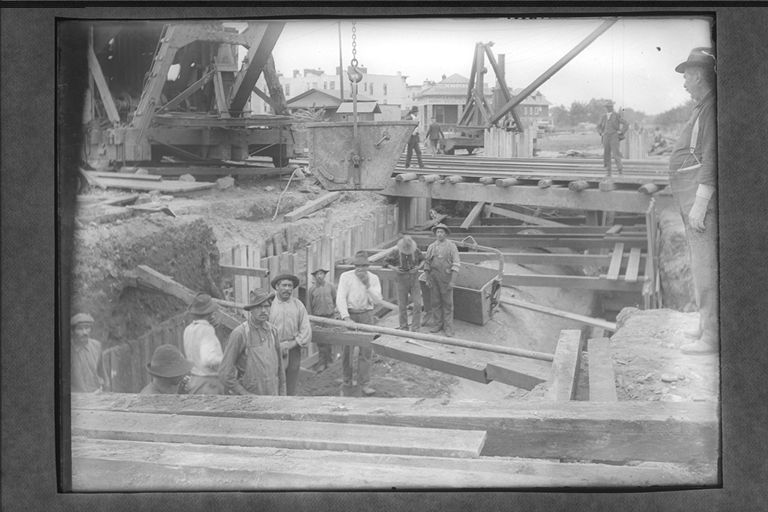
Laying sewer tunnels is not as easy as it seems. It is a labor-intensive and time-consuming job. In the 19th century, it was considered a task of the century.
The foundation of the sewer system began to be laid in the 1850s. Then a board of sewerage commissioners was established in the city. They monitored the fulfillment of the task.
Meanwhile, in the borough and the city as a whole, all sewage flowed to the East River or remained on the street. This led to outbreaks of various diseases, such as cholera.
The sewer system was laid perfectly at that time. It has “survived” into the 21st century. Brooklynites continue to use it. Over time, some parts had to be repaired.
Although it had its flaws, due to the severe storms that hit New York and the East Coast, it overflowed. Some parts of the city began to sink in the water, and Brooklyn suffered from this as well. Bedford-Stuyvesant was flooded the most. This significantly complicated the lives of Brooklynites. Many people filed lawsuits against the city to get compensation for damages.
Brooklyn in the water
Not only the basements and the food stored there were affected, but also the houses. The Brooklyn Historical Society has some records of this case. Brooklynites reported that the water contaminated and negatively affected the quality of their building walls, provoking the development of mold.
Brooklyn has long been known as an industrial area of New York City. There were many plants, factories and shops on its territory. When flooding occurred due to heavy rains, expensive equipment often suffered.
Once the situation deteriorated to the extent that the Board of Health ordered the evacuation of people from the flooded areas. Various infections were spreading. Everything, including streets and houses, needed to be disinfected.
The Bedford-Stuyvesant and Throop Avenue neighborhoods suffered the most because there used to be a pond in the area. Additionally, at the end of Halsey Street and Throop Avenue, there was a natural slope that was drained by a sewer. Geographically, this area was subject to flooding anyway. The construction of the sewer had nothing to do with it.
In essence, the lawsuits of Brooklyn residents against the city for property damage were unfounded because this part of the borough was always flooded. However, the city still paid people material damages.
Sometimes Brooklynites submitted lists demanding compensation for unusual items. One foreign diplomat residing in the area demanded compensation for the loss of rare law books. Another collector lost his shell collection due to flooding.
The importance of pipes
A sewage system is not just a matter of convenience for citizens and maintaining the city’s aesthetic appearance; it’s also a matter of safety.
Sewage and wastewater flooding buildings and structures can cause damage to the structures themselves. This, in turn, can lead to their deterioration.
The East River has benefited most from the city’s sewage system. Brooklyn has long been famous for its success in the fishing industry. But fish will not live in water contaminated with waste. After all, every discharge of something into the water affects its ecosystems, which leads to the extinction of certain fish species.