

After serving as a doctor at the medical station of the Brooklyn Naval Shipyard, Edward Robinson Squibb founded the pharmaceutical company E. R. Squibb and Sons in 1858. In the 1920s, he hired architects Russell G. Cory and Walter M. Cory of Turner Construction Company to design and build a new plant located at 25–30 Columbia Heights in the Fulton Ferry section. As a result, the company became one of the world’s largest producers of mineral oil, as well as one of the country’s biggest manufacturers of vitamins. Read more about the company’s history on brooklyn-name.
Service as a naval medic
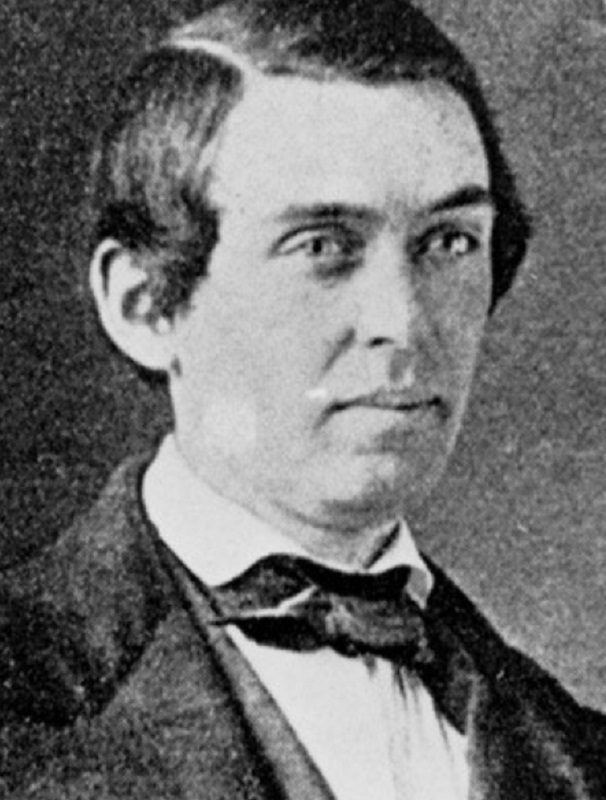
Edward was born in 1819 in Delaware and spent his entire life in Brooklyn. He built his first labs on the place behind the modern playground. One can still see his name emblazoned on the factory walls.
Edward was an active duty naval surgeon for ten years. After launching his first lab on Furman Street with Edward R. Squibb, M.D. marking at the door, he became a very influential specialist. He influenced both the creation of anesthetics and the passage of clean food and drug laws. As a naval doctor, Squibb became frustrated with the poor quality of drugs used on American warships. As a result, in 1854, he invented an improved method of distilling ether. He shared his distillation method rather than patenting it for profit.
Own project
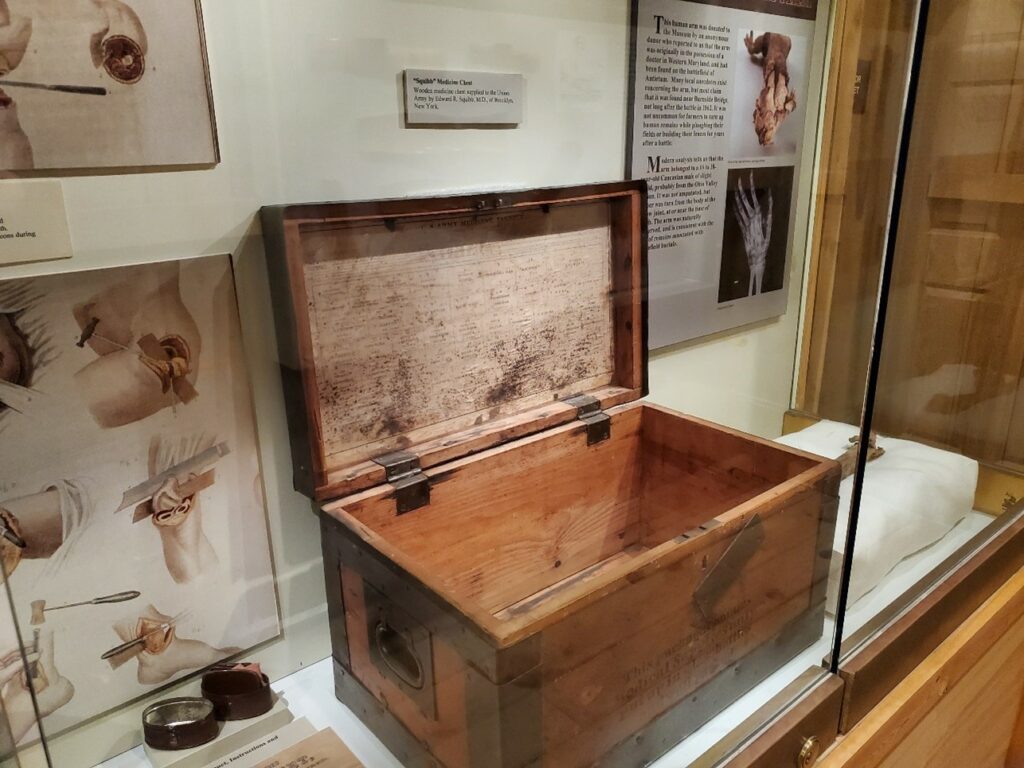
In 1858, Squibb left the military service and launched his business, which later became known as Bristol-Myers Squibb. His labs got burned thrice. On one of these occasions, an explosion of ether left Squibb’s body badly burned. Despite all this, references to Edward Squibb’s products and opinions on the usefulness and best way to prepare various medicines can be found in many medical documents of the late 1800s.
This corporation was a major supplier of medical products to the Union Army during the American Civil War. Portable medical kits were provided to the army. The company was known for high-quality products. He was married to Caroline F. Lownds Cook of Philadelphia. The couple had four children.
Edward Squibb Park
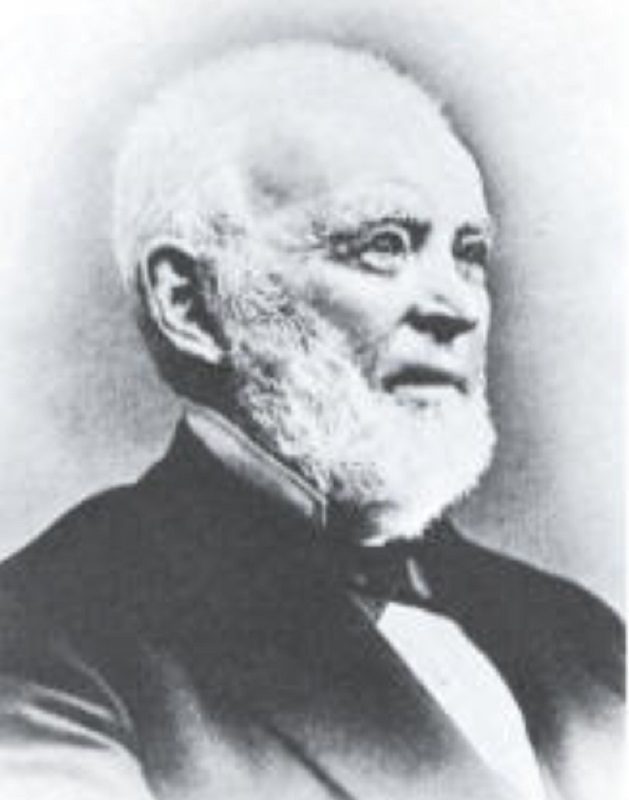
In 1969, as a result of the post-war deindustrialization of the waterfront, several mergers and a strike by factory workers, the Squibb Company closed. In the same year, the building was purchased by the Watch Tower Bible and Tract Society (a legal entity of Jehovah’s Witnesses), which at that time was expanding its activities in this area. In turn, the Jehovah’s Witnesses group, having decided to move its headquarters to upstate New York, sold the building to developers to turn it into an office and retail complex in 2016.
The park was created in the late 1940s at Furman, Middag and Columbia Heights Streets and named after our hero in 1959. It is hidden from the streets. The playground has a swing, a jungle, a sandbox, sprinklers and a basketball court. The park also has a comfort station, a flagpole with a frame, benches, a drinking fountain, oak trees, etc. There is also a memorial plaque in honor of Squibb and his contribution to the development of science.
