

When it comes to Brooklyn’s agricultural communities, there is one area that particularly stands out, Flatbush. For nearly 250 years after the first Dutch settlers arrived, Flatbush became a city of farms and farmers. With a few exceptions, the head of every household in Flatbush was a farmer. They carefully cultivated their land and were among the best farmers in the state. Learn more about Brooklyn’s farming history as well as the most interesting borough farms of our time at brooklyn-name.com.
History of Brooklyn agricultural production
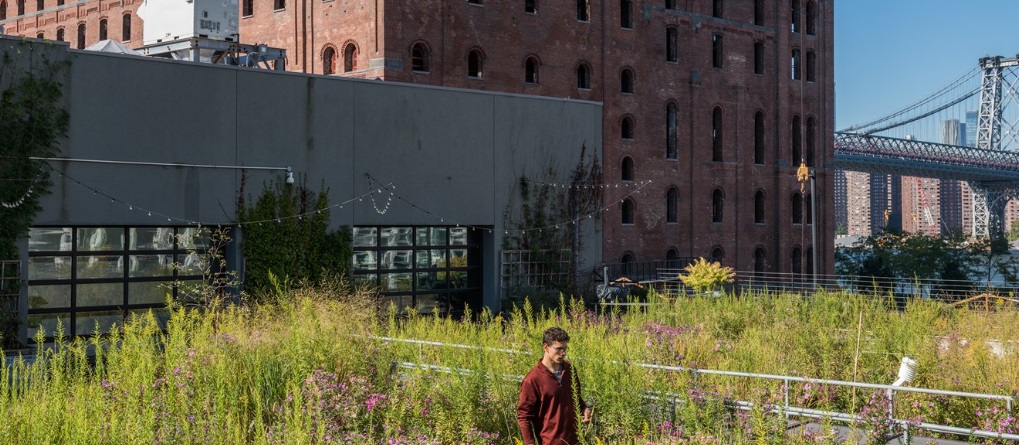
Being a “farmer” in eighteenth- and nineteenth-century Flatbush didn’t always imply cultivating the land yourself. Although many of the first Dutch settlers brought agricultural skills and customs from the Netherlands, enslaved people contributed to the well-being of the Dutch inhabitants of Flatbush. The colonial census of 1698, for example, revealed that, in the home of a certain Pieter Lefferts, lived one man, one woman, nine children and three slaves. However, even when the New York Legislature abolished slavery in 1827, some African Americans stayed on farms and continued to work in agriculture. Wealthy farmers often relied on the labor of tenants, who lived and farmed enormous plots of land for families like the Lefferts. Indeed, such individuals were often referred to as “farmers,” although they spent the majority of their lives as financiers or politicians, leaving land cultivation to others.
Local farmers produced a wide range of food. By the end of the eighteenth century, grain was the most prevalent crop grown by Flatbush farmers. The small community supplied wheat, rye, oats, barley, corn and other grains to the fast-growing city of New York. Farmers carried their goods several miles to the city of Brooklyn, from where they were transported across the East River.
The opening of the Erie Canal in 1825 altered the farming strategy of the Flatbush farming families. The canal allowed low-cost and fast transportation of grain from large farmlands in the Midwest. Flatbush farmers immediately adapted to this, so they began producing cabbage, turnips, potatoes and other fruits and vegetables for the same bustling and insatiable city across the river. By the late nineteenth century, Kings County was the country’s second-largest agricultural supplier, yielding to Queens County.
Brooklyn Grange
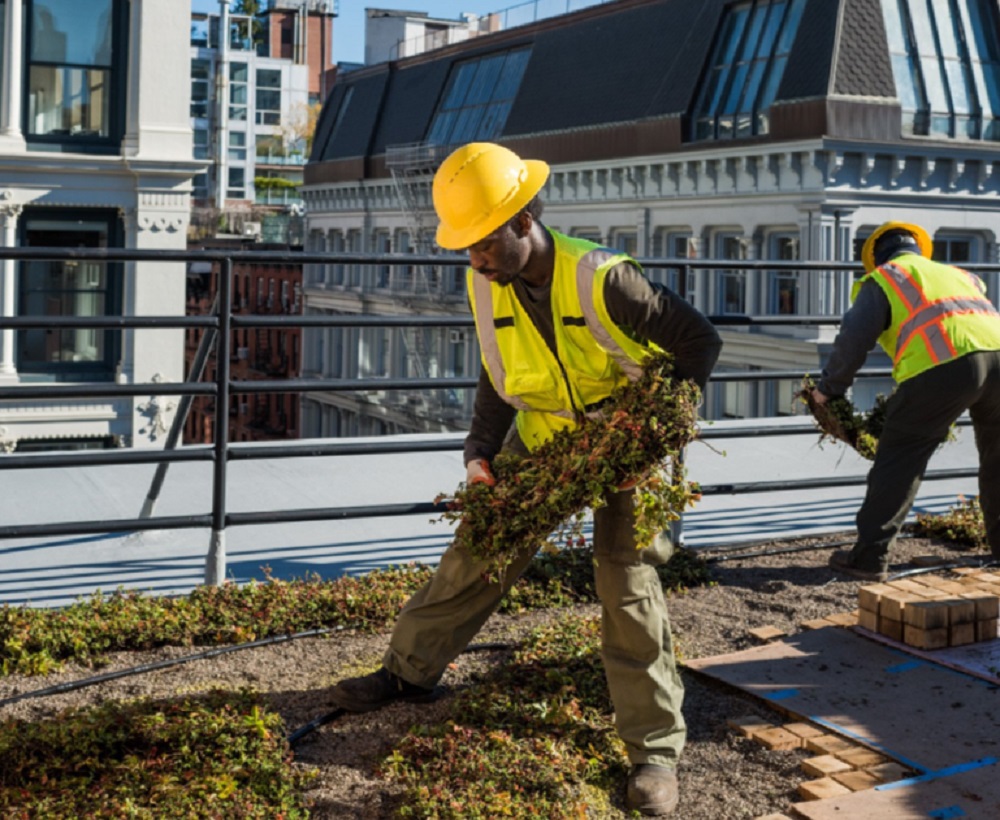
So, as you can see, Brooklyn has a rich farming background. As a result, it is not surprising that new and unique methods of farming are emerging here. We are talking about Brooklyn Grange, a company that was started in 2010. It is the leading roof farmer that creates intense green coverings in the United States. The company operates the world’s largest rooftop farms in New York City. Brooklyn Grange promotes eco-friendly urban living by creating green areas, offering educational programs and activities and increasing access to local products in New York City communities.
Brooklyn Grange‘s mission is to restore the connection between people and the natural environment. They provide great earning opportunities and maintain green spaces in an anthropogenic setting, so contributing to the development of more habitable and climate-adapted cities.
Brooklyn’s rooftop farms already cover over 5 acres and generate over 80,000 pounds of organically grown vegetables every year. The company offers its products at farmers’ markets and via the CSA program. Thanks to the equal distribution program, about 60% of annual yield is provided to New Yorkers for free or at a moderate cost.
The organization designs, builds and sustains urban green spaces that are thoughtful, appealing and innovative. From commercial green roofs to rooftop farms and green walls.
What is a green roof?
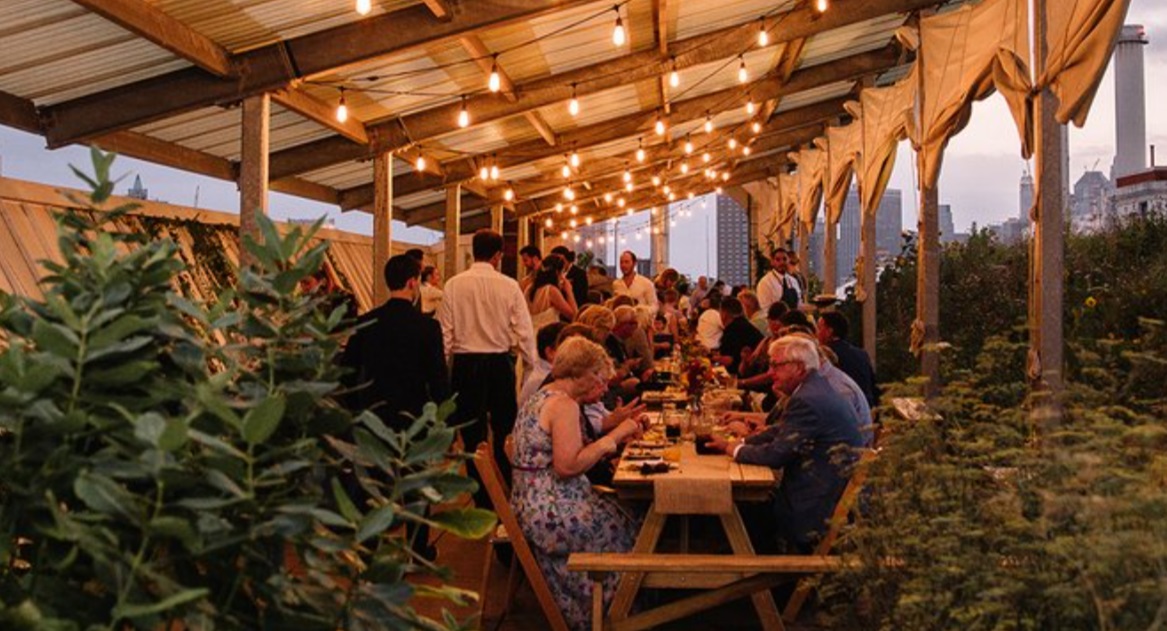
Brooklyn Grange’s main source of income is its green roofs. Since 2010, the company has designed, installed and maintained green roofs of varying sizes and capacities around New York City and beyond. The company’s clients include individual homeowners, schools, developers, general contractors and others.
A green roof is a multi-layered plant system installed on top of a roof. Green roofs typically consist of a root barrier layer, drainage or water storage layer and a growing and vegetation medium. They can be either shallow (3 inches) or deep (3 feet). Modular systems can also be used instead of multi-layer or monolithic systems. Green roofs can protect the waterproofing layer and increase its service life by at least half.
Every year, such farms attract more than 12,000 visitors.
Brooklyn Grange believes that social enterprises may be a powerful driver of positive change. The corporation collaborates with local organizations throughout New York City on a variety of activities ranging from youth education to equitable food distribution to workforce development.