

Greenpoint is a modern and progressive neighborhood in Brooklyn that is rapidly developing. But this is all in the 21st century. Once upon a time, the fate of all Brooklyn neighborhoods was the same: industrial. In different corners of the borough, there are reminders of its technical past. Sometimes this past poisons life. Read more at brooklyn-name.
The kingdom of plastic
Once in Greenpoint, there was a plastic manufacturing factory called NuHart. In the 1940s, it was a majestic enterprise, one of the most prosperous industrial zones in the city. NuHart produced and supplied plastic products in large quantities to customers not only in New York. Just like other enterprises, the factory was meant to be closed. In the 21st century, it is just an abandoned modern-style building that looms menacingly over the borough.
Probably no one would even mention it if it were not for the trail that NuHart left behind.
Production of this type is considered dirty industry. A large amount of contaminated waste and emissions are typical of its operations. It was for this reason that in 2010, Brooklynites remembered the once-great plastic factory again.
In 2010, NuHart became a Superfund site with a “D” designation. This means that it was included in the US government’s federal program for the cleanup of industrial waste-contaminated sites. The fact that the facility was awarded this title indicates that it was once home to a hazardous production facility. It emitted hazardous emissions into the atmosphere and left a mark behind.
Phthalates were used in the production of plastic. These are highly hazardous chemical toxins. They cause enormous harm to human health, ranging from infertility to congenital genetic mutations. It is these toxins that remained in Greenpoint after NuHart.
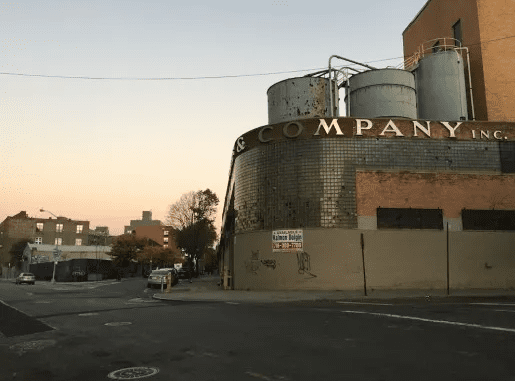
The news caused a lot of outrage among Brooklynites. After all, for many years, dangerous carcinogens had been harming their health without them even realizing it.
The developers’ insidious plan
Immediately after the announcement of NuHart’s enrollment in the federal program, rumors began circulating that the developers wanted to demolish the buildings and replace them with a residential complex. After all, Greenpoint is a tidbit and a dream of many developers.
Greenpoint residents concerned about the environment were very outraged by these plans. They even went to court because it wasn’t just a noisy construction project that was at stake, but their environmental future.
What further outraged Brooklynites and Greenpoint residents was the plan to build a school opposite NuHart. Someone in power overlooked the fact of such a dangerous neighborhood. North Brooklyn Neighbors actively opposed the construction of the school. Everyone realized that first they needed to deal with the hazardous waste, and only then they could talk about any construction. After all, waste underground poisons the surrounding area.
Allowing children to coexist near such a dangerous facility is reckless and illegal. Likewise, constructing a residential complex on top of an environmental “dirty bomb” is imprudent.
It is extremely difficult to find fault in such a situation. In the US, there is a program to control waste emissions and recycling at such enterprises. However, tracking closed facilities is more challenging. Moreover, developers are not interested in reporting such facts. It threatens them with additional costs, freezing of production, bad reputation, or even lawsuits.
The industrial history of major cities like New York can unexpectedly give rise to environmentally hazardous hotspots. What’s most dangerous is that for many years, even after the factory closure, people continued to be exposed to the toxins, both during production and afterward.
NuHart operated during a time when Brooklyn was not yet poisoned by exhaust fumes. It was one of the main polluters of the borough’s environment. The consequences of its operations have been felt for many years to come.