

Important events related to the development of shipbuilding took place on both banks of the East River. Previously, many of the strongest and best packet ships were built in the local shipyards. Although the clipper was created in Baltimore, New York became the chief center for the construction of vessels of this type. Many of the fastest and best ships, including the great and unsurpassed clipper ship Dreadnought, were launched on the East River. Read about the creation of the shipbuilding enterprise The Continental Iron Works in Brooklyn on brooklyn-name.com.
Shipbuilding to the East River
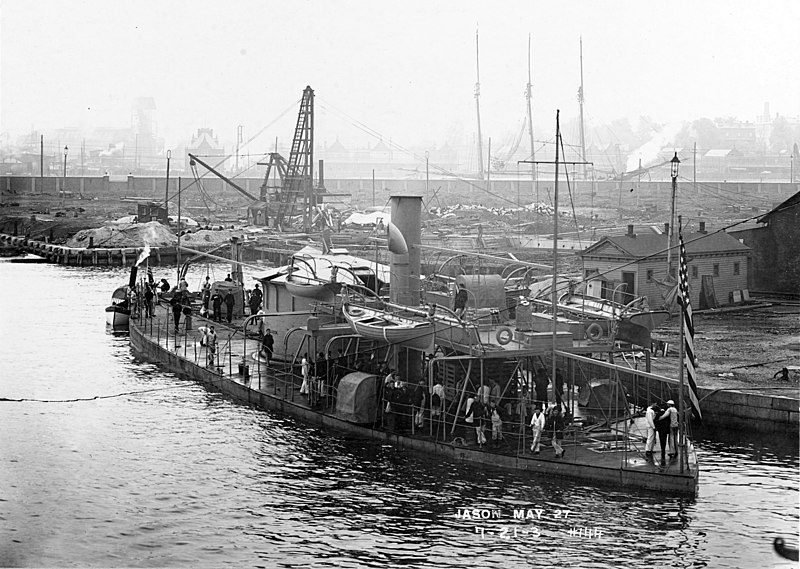
The shipbuilding interest in the East River, in its heyday before the Civil War, was mostly concentrated on the Manhattan waterfront. There were a few shipyards established on the Brooklyn side of the river as well. This was especially true of the neighborhood known as Greenpoint. There were several shipyards here both before and after the annexation of this area to Brooklyn in 1855 and the early 1940s. They were engaged in the construction of wooden ships and river steamers. At that time, they were considered the most advanced type of vessels for river traffic. In the decade before the Civil War, the East River shipyards were busy and the demand for shipbuilding was considerable. Moreover, both steam and sailing vessels were ordered for owners in every port of the United States. In those days, many ships were launched that were famous for their beauty and speed, both from the Greenpoint and the Manhattan side.
Among the ships launched from the Brooklyn side, the most notable was the Monitor, the most famous ship of the Civil War period. Its construction revolutionized naval warfare. It was built at the Continental Works on land now owned and operated by the Continental Iron Works Company.
Establishment of a shipyard
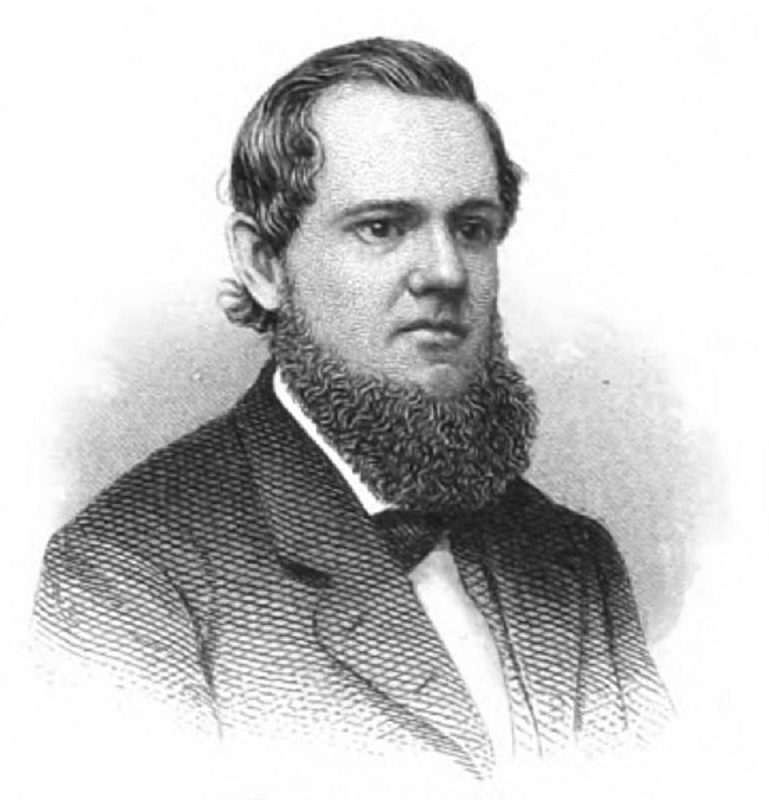
For several years, Samuel Sneden lived in this place and was engaged in the construction of wooden ships. In 1859, a New Orleans client of this shipyard, for whom Sneden had built several wooden steamers, asked him to construct a metal vessel. Sneden had no experience in building such kinds of ships that confidently supplanted their wooden counterparts in the merchant fleet. In addition, his factory lacked equipment for processing iron, but he was very eager to retain his client and decided to build such a vessel. Samuel Sneden knew a young engineer Thomas F. Rowland, who was a skilled mechanic, familiar with metal work and had some experience in drawing and designing ships. Sneden persuaded Rowland to undertake the work. For this, the following equipment was installed: a forge, a punch and scissors, which were used to form the skin and frames. Rowland became Sneden’s partner before the work was completed. They created Samuel Sneden & Company. As a result, the iron ship was successfully launched and soon delivered to its owner.
Monitor launch
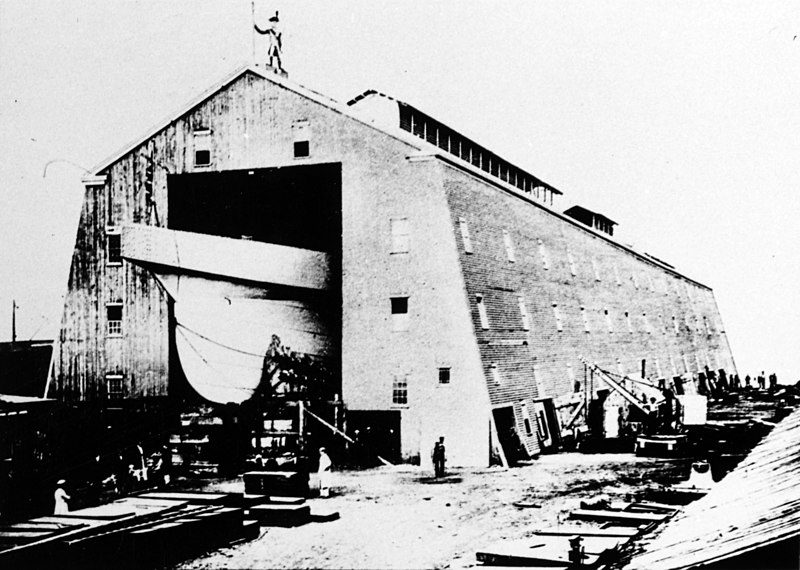
Less than a year after the company was formed, the partnership was finished. Thomas F. Rowland acquired the plant and business. He was a native of Connecticut, born in 1831 in New Haven. After leaving school, he worked on the New York and New Haven Railroad, engaged in engineering and mechanical work and design. When he became the owner of the Continental Works, he built the aqueduct across the High Bridge in New York and executed other important metal orders. In 1861, John Ericsson designed Monitor, a floating battery that was the first completed vessel with a revolving turret. This invention caused a revolution in the art of naval warfare. He demonstrated the value of armored vessels and the relative uselessness of old wooden warships. The Monitor was built at the Continental Works in Greenpoint in just over three months and launched on January 30, 1862. Its participation in the Civil War is historic and its name became common for ships of this type built by all major maritime powers. Other ‘Monitors’ built at these shipyards for the US Navy were Montauk, Passaic, Catskill, Onondaga, Cohoes, Puritan, Monadnock and Muscootah, a vessel that contained some improvements suggested to Ericsson by the experience of his predecessors.
After the war, the plant was engaged in building ferries for the Union Ferry Company and a few other vessels. The general decline of shipbuilding forced the company to dive into other branches of iron production for which the works were adapted. It began to specialize in the construction and installation of municipal gas facilities, which it performed for cities and towns throughout the eastern part of the country. Gradually, the nature of the business moved away from both the marine and gas industries. In 1887, the enterprise was registered as The Continental Iron Works, with Thomas F. Rowland as president. The vice-president of the company was Warren E. Hill, who had been working with Rowland for several years.
World War II
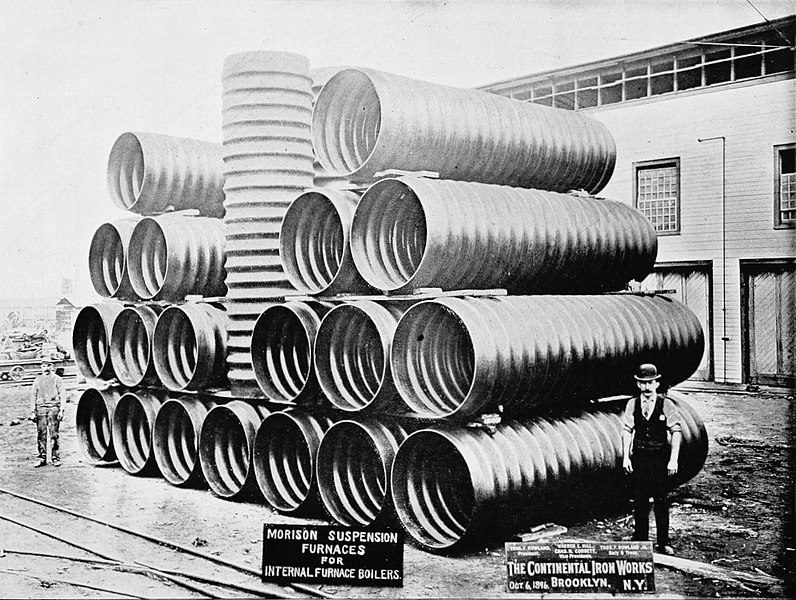
The company started a production line of welded sheet steel. It included corrugated furnaces for marine boilers, which were a very important part of the business, greatly increased and accelerated by the shipbuilding boom that exploded in the country as a result of World War II. The company also did a large amount of work related to water-tube boilers, the manufacture of wood pulping boilers and similar boilers for use in government blasting plants. They had a department for the manufacture of welded oil stills and various similar tools for special orders.
Thus, for many years its work has been more related to work on land installations than to the marine business. Still, it has always been an important factor in the great work done in the country in increasing the interest in shipping.
When the company was registered in 1887, Thomas Rowland, Jr., Thomas Rowland’s eldest son, became its secretary and treasurer. He was born in New Haven, Connecticut, in 1856 but has always resided in Brooklyn. The young man graduated from the Sheffield Science School of Yale University in 1877. Immediately after graduation, he joined his father at the Continental Iron Works. His father left the company a few years before his death and Warren E. Hill succeeded him as president. He held this position until his death in 1908. After Hill, Thomas Rowland Jr. became the company’s president.
His brother, Charles Rowland, who was born in Brooklyn in 1863, graduated from Columbia University in 1884. He entered his father’s business after graduation and has been there ever since. He became vice president. Thus, the company was managed by official personnel who represented the highest level of technical education, complemented by many years of practical experience. In 1928, the business was closed.
