

A closer look at the history of the city of Brooklyn reveals that there were many willing to create, develop and support the American industrial sector in the 19th century Kings County. Entrepreneurs took up everything that could be produced and that was somehow needed by the residents of the city and the country. Read about the history of five now-defunct industrial enterprises of Brooklyn, which produced necessary goods and became famous as creators in a completely different, long-gone era of the borough’s existence on brooklyn-name.com.
Robert Graves Company
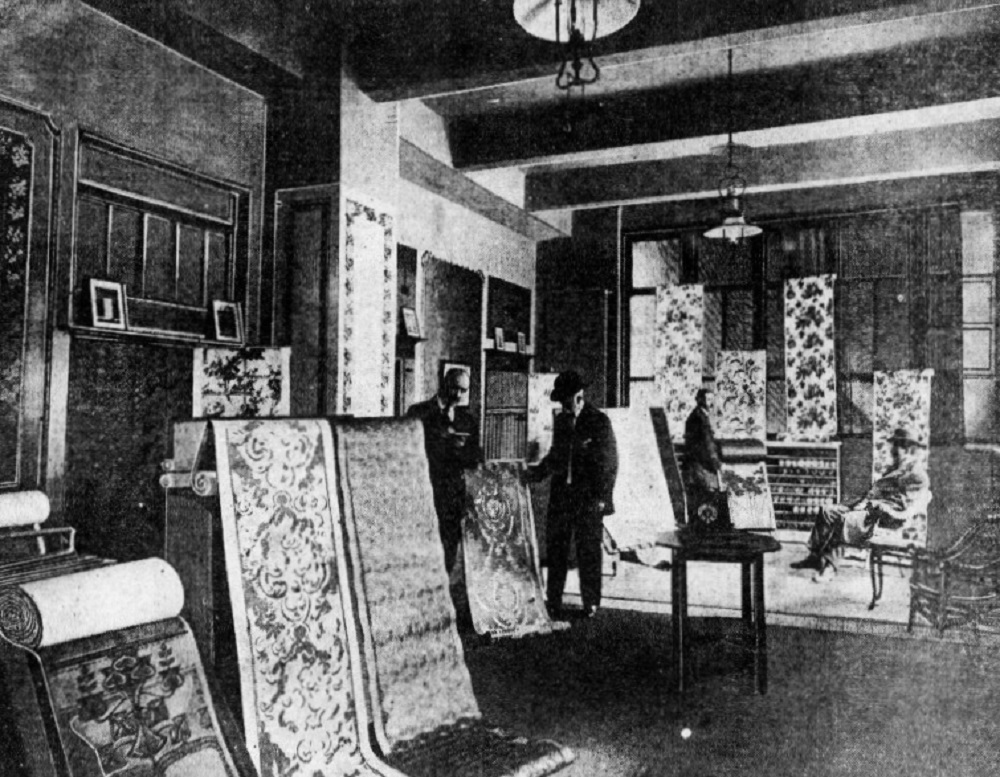
The Robert Graves Company was a wallpaper manufacturer.
The products of this company decorated the walls of New York from 1843 to 1929. The Robert Graves Company was known for its unique, hand-made wallpaper, produced in special limited editions or according to the order. The company began its history in Manhattan, in the early 1860s. Then, it began to expand, built a factory in Brooklyn and continued to grow there. The products of this factory were in incredible demand, which allowed the company to become one of the largest manufacturers in Fort Greene. Harmoniously combined curtains and stylish wall decorations made by local craftsmen were especially popular among the locals.
The founder of the company was Robert Graves, an Irish emigrant. It should be noted that he came to America not empty-handed and without funds. He arrived in Brooklyn as a well-known wallpaper manufacturer. It’s possible to talk about a certain luck because, in the 1840s, wallpaper or tapestries were very popular when decorating apartments. Improvements in block printing, pigments and paper technologies contributed to this. In the 1870s, when the wallpaper printing machine was invented, things got even better. The pigment-saturated rollers no longer had to be hand-rolled, which significantly reduced the time required to produce them. In addition, more premises were needed for production. A new seven-story factory with an exhibition hall was built in Brooklyn. After Graves’ death, his son Robert Graves Jr. inherited the business and ran it until he committed suicide in 1929.
American Numbering Machine Company
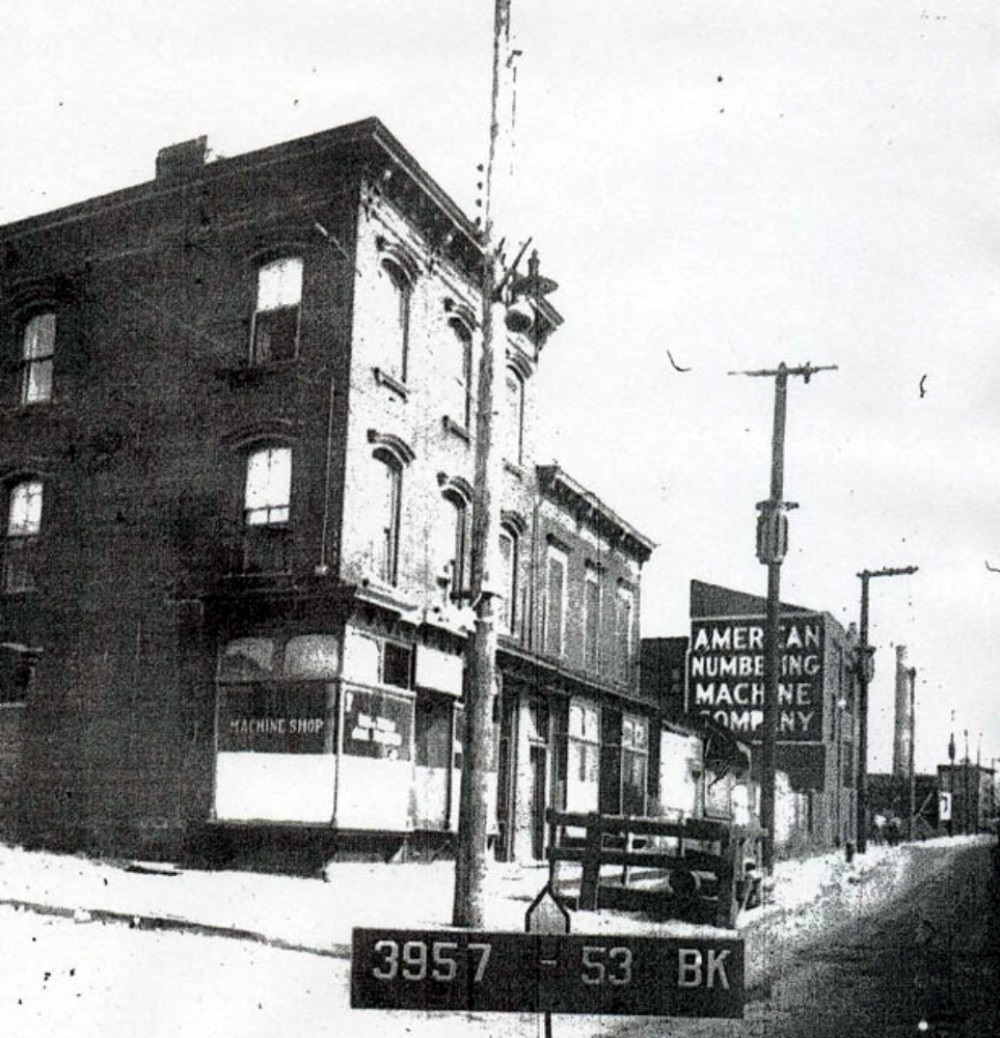
The American Numbering Machine Company was founded on Essex Street in East New York in 1908. It grew rapidly, expanding to a two-story building in 1912. The enterprise was engaged in the production of numbering machines. They were portable stamping devices used to date library or thrift books. The business peaked during World War II when the company produced military tools in addition to stamps. Then, it declined, ending operation in 1971. The reason for this was the fact that in Brooklyn, as in America, the use of personal computers and printers has increased incredibly.
The company was founded by Edward A. Jarvis, P.S. Riggs and James A. Ferguson of Manhattan. They began operation in 1908 in a building in East New York. In 1912, they built a new factory a few blocks away. In 1919, this building was expanded. By the 1920s, the company had 150 employees, producing 400 to 500 machines per week. In addition to small manual stampers, the company produced more sophisticated desk-sized machines and timestamping machines for banks, law offices, government agencies, libraries and department stores.
The production cycle included injection molding, drill press, machine stamping, metal coating, assembly and calibration. It was a rather time-consuming process. After the beginning of the Second World War, the company expanded its range and began to manufacture machines and tools for military use. This had a very positive effect on its economic performance.
Grand Union Tea Company
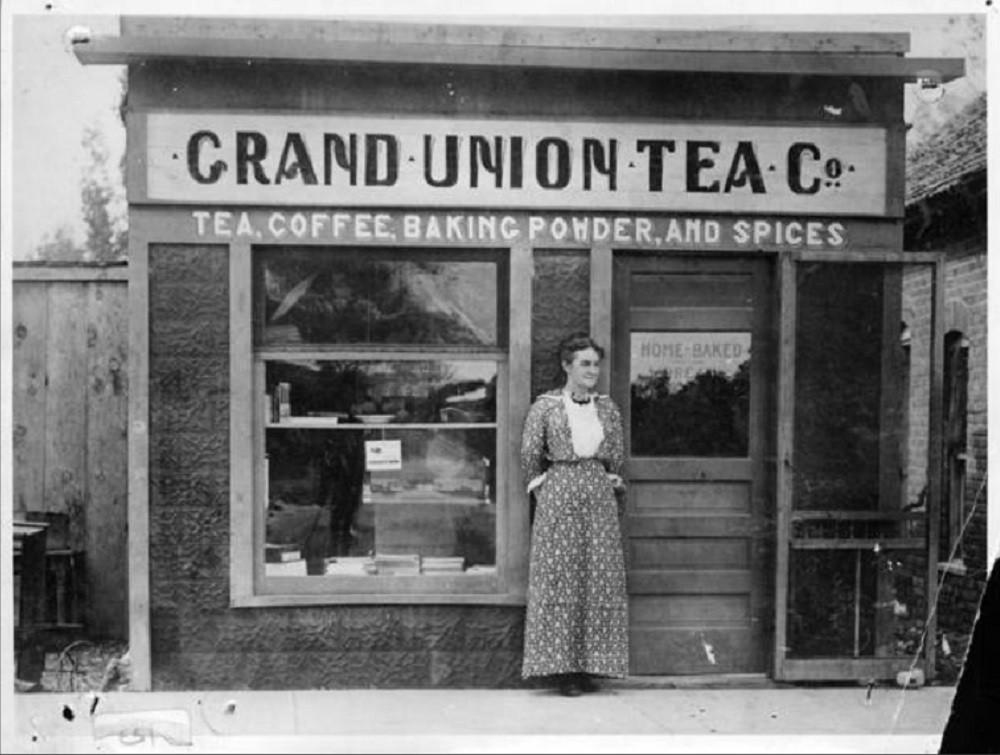
It was founded in Pennsylvania but developed in Brooklyn. The Grand Union Tea Company was founded in Scranton, Pennsylvania by two brothers in 1872. After moving to Brooklyn in 1893, they bought the space and turned it into the sprawling, block-long modern complex. The construction of this huge warehouse began in 1896. According to some data, in 1904, it was the largest in America. The brothers produced coffee, spices, aromatic extracts, leavening agents, soap and tea. Frank Jones had the idea to sell his products directly to consumers, without paying attention to grocers and other intermediaries. Before leaving Scranton, the brothers started a chain of stores that sold only their own products. They continued to open branches in the Northeast as their Dumbo warehouses continued to grow. Later it became a factory. The Grand Union Tea Company was successful until the 1980s, after which it went through numerous sales, resales and bankruptcies, finally going out of business in 2013.
Chandler Piano Company
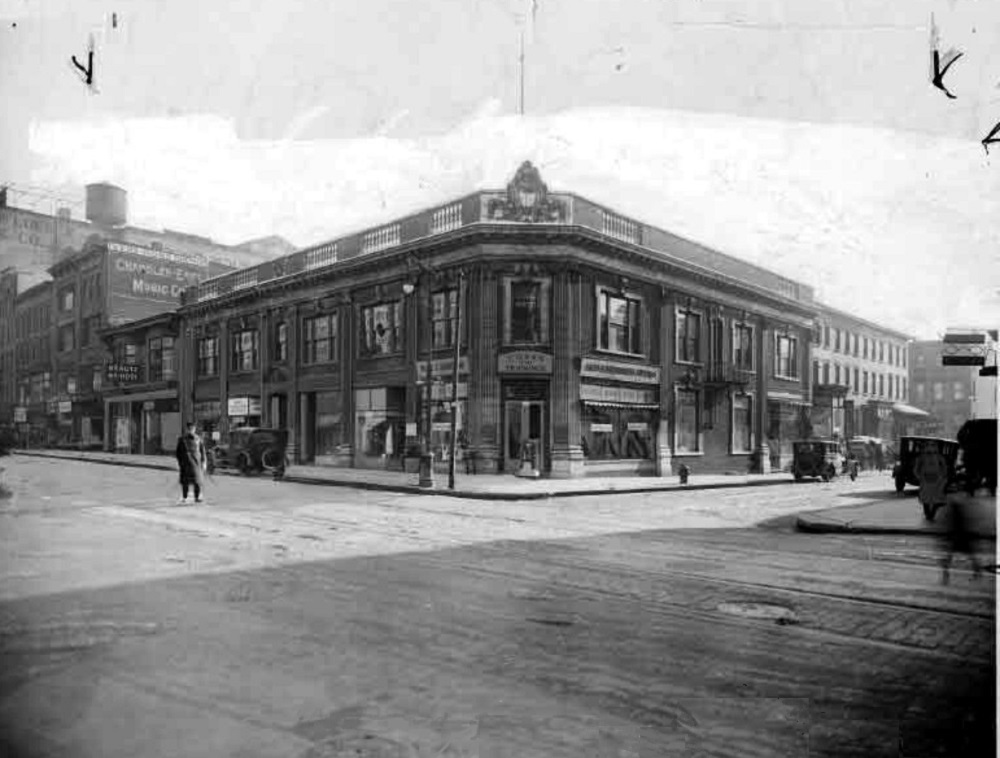
It was founded by Frank H. Chandler, who was born in Vermont and was very fond of music. The Chandler Piano Company was launched in 1869 as a piano warehouse and repair center at 120 Montague Street. In the 1890s, Chandler moved the business to Fulton Street, where the company began selling other instruments and sheet music. At that time, almost every middle-class home had a piano. Young girls in middle- and upper-class families were encouraged to learn to play hymns, carols and popular tunes. The boys did not give up their studies either. The art of music was a valuable and popular social skill.
Pianos were sold and rented throughout Brooklyn, and many were made by the Chandler Piano Company. The exhibition halls were in different areas but the largest were in the city center.
After Chandler’s death, the piano company continued to exist for some time. It was advertised in the Brooklyn Eagle until the paper closed. The year of closure of the enterprise is unknown but today it no longer exists.
William Ulmer Brewery
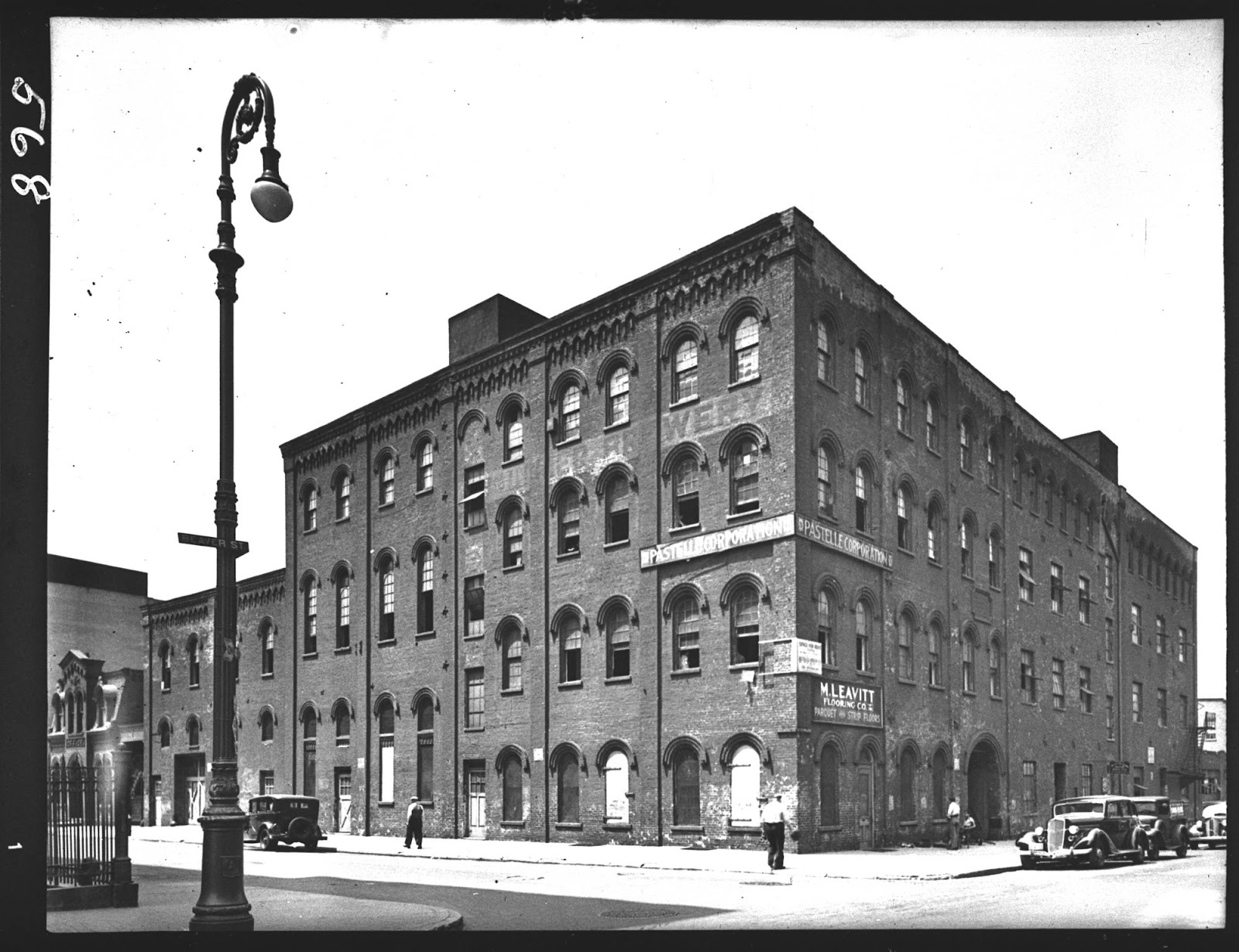
At a time when Bushwick was Brooklyn’s ‘Little Germany’, German immigrant William Ulmer became a partner in the Vigelius & Ulmer Continental Lagerbier brewery. From the late 1840s, the Bushwick neighborhood of Brooklyn became home to most German immigrants. They brought many different industries to this country but were best known for their bright beer, which soon became the drink of choice in New York and throughout the country. By 1879, William Ulmer was the sole owner of the brewery. He renamed the business the William Ulmer Brewery. Before Prohibition, there were at least 24 breweries in Brooklyn, many of them in the predominantly German East District, which included Bushwick, parts of Williamsburg and East Bedford-Stuyvesant. Ulmer Brewery was one of the most successful. Ulmer ran the brewery until he retired in 1900. His wife and daughters continued his work.
In 1920, the family sold the factory. Today, the famous complex is one of the few original buildings in Brooklyn.
