

After a typical rain, city streets gradually dry out, puddles vanish, and life returns to its normal rhythm. It might seem like the water simply vanished into the urban landscape. In reality, it goes on an extensive journey: sheeting off roofs and sidewalks, flowing into catch basins, rushing through underground pipes, or filtering into the ground. Behind this routine process lies a complex engineering network—one that most New Yorkers only notice when it fails to keep up.
For modern-day Brooklyn, the challenge is especially acute due to dense development, extensive paved surfaces, and uneven topography. Naturally speaking, stormwater often has nowhere to go. Where open soil once absorbed rainfall, streets, parking lots, apartment buildings, and sidewalks now stand. Runoff races across these impermeable surfaces, quickly ponding at intersections, in driveways, and across low-lying areas.
How does Brooklyn’s drainage system work today, why do streets flood during intense storms, and what engineering solutions are turning the tide? Read on at brooklyn-name.com.
How Brooklyn’s Sewer System Works
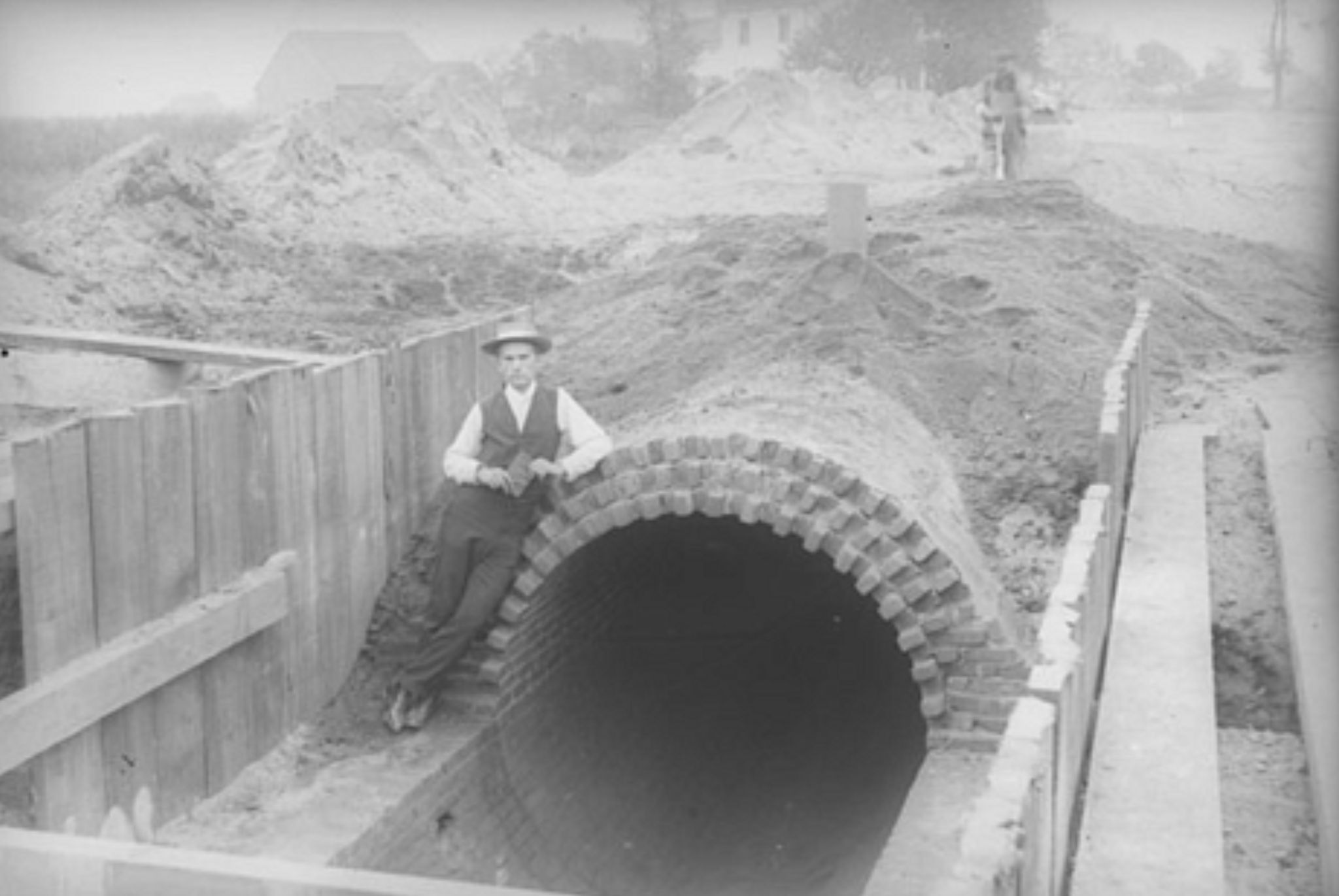
Stormwater’s journey usually starts at the curb. City streets are graded with subtle slopes that channel runoff toward catch basins—the curbside storm grates that direct water into underground mains. From there, subterranean pipes carry the flow away. Depending on the neighborhood and the infrastructure in place, runoff either travels through dedicated storm sewers or merges into lines that also carry domestic wastewater.
This distinction is critical. According to the New York City Department of Environmental Protection (DEP), approximately 60% of the city relies on a combined sewer system. This single network conveys both stormwater runoff and household sewage straight to wastewater treatment plants. Across the rest of the city, a separate sewer system is used, handling runoff and sanitary sewage through independent pipe networks.
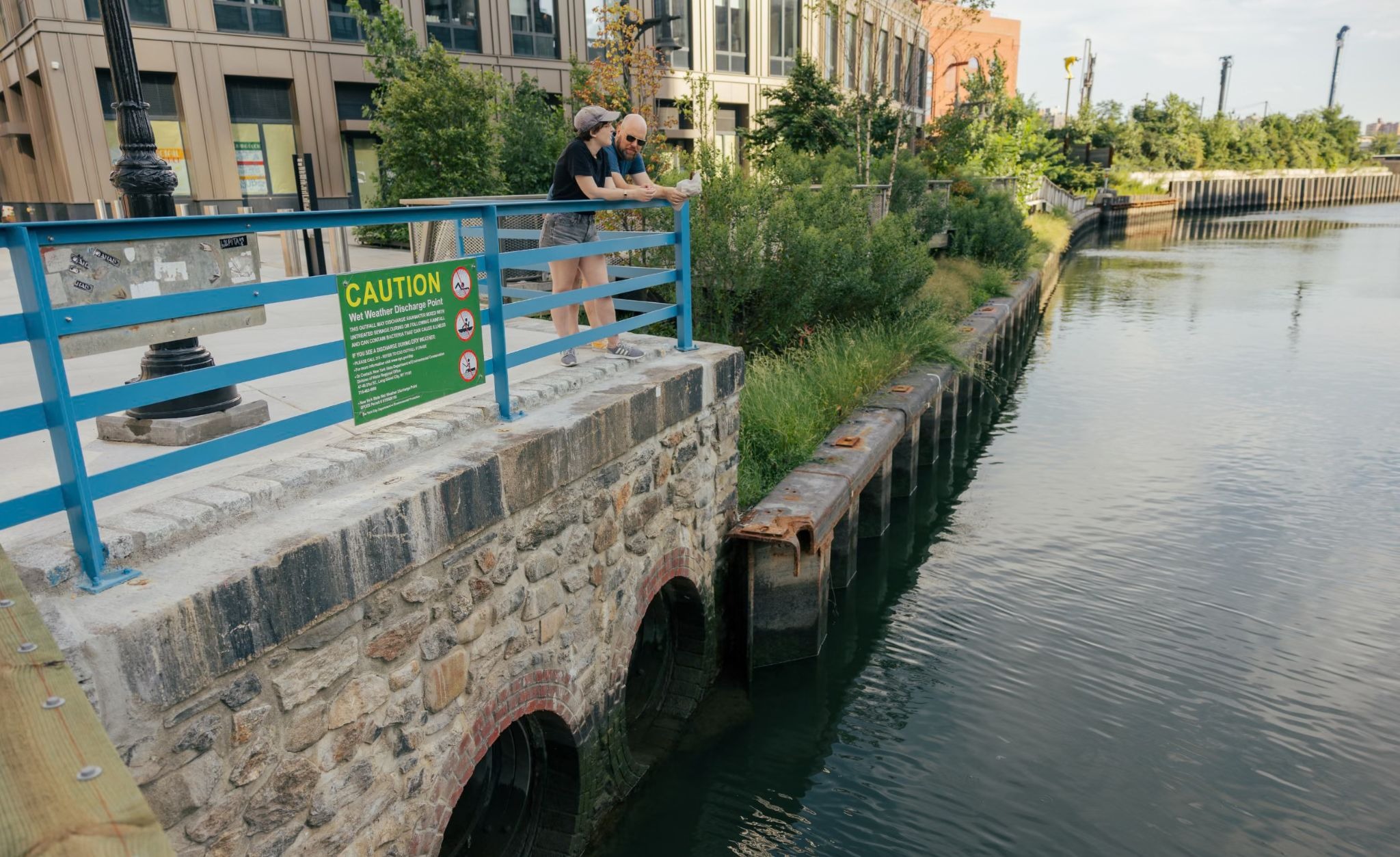
In dry weather, the combined system easily delivers all wastewater for treatment. But during severe cloudbursts and heavy downpours, the volume coursing through the mains spikes dramatically. If stormwater overwhelms the capacity of the pipes and treatment plants, a diluted mixture of rainwater and untreated sewage can discharge directly into local waterways.
In a separate system, stormwater follows its own dedicated route and discharges into waterways without passing through wastewater treatment plants. Yet that doesn’t mean it’s clean: on its way to the drain, runoff washes away motor oil, tire particles, trash, and other street contaminants.
Why Brooklyn Streets Flood
The root problem is simple: water often arrives much faster than the underground system can convey it. Asphalt, concrete, and roofs cannot absorb rain, transforming the bulk of any storm into immediate surface runoff. The denser the neighborhood, the fewer opportunities water has to naturally sink into the ground.
It isn’t just total rainfall that matters, but rain intensity. When torrential downpours strike in a matter of minutes, enormous volumes hit the sewer mains all at once. Even a fully functioning network cannot instantly swallow that kind of flash deluge. Add clogged storm grates, localized dips in the landscape, or undersized pipes, and water quickly backs up onto the streets.
Low-lying areas and inland basins are particularly vulnerable, where drainage headaches don’t always stem from coastal proximity. Coastal storm surges and inland flash flooding are two different beasts. In the first case, water pushes in from the coast; in the second, rainfall pools because local drainage capacity is tapped out. When both occur simultaneously, draining the borough becomes extraordinarily difficult.
There is also an everyday culprit: street litter. Fallen leaves, plastic bags, food wrappers, and trash quickly cover curb inlets. When grates are blocked, streets flood even if the underground pipes below still have room. That makes regular catch-basin cleaning and sewer maintenance far more than routine municipal housekeeping—it is a frontline defense against neighborhood flooding.
Excessive stormwater also triggers serious ecological problems. Runoff carries pollutants straight into surrounding creeks, canals, and bays. In combined systems, heavy rains lead to overflows that dump untreated sewage mixed with storm runoff directly into public waterways.
Green Infrastructure: Rain Gardens and Permeable Pavement

Traditional stormwater management focused on getting water off the street and into pipes as fast as possible. Modern engineering pairs that approach with a greener philosophy: capturing, storing, or infiltrating stormwater right where it falls before it ever reaches a sewer pipe.
Permeable pavement is a prime example. Unlike conventional asphalt, these specialized porous materials let water seep directly through the surface. Underneath, engineered stone layers or subsurface chambers temporarily hold the water, letting it steadily filter into the earth or drain away at a controlled pace. This dramatically cuts the sudden peak load on the sewer system.
In 2024, New York City officials announced the installation of roughly seven miles of permeable pavement along Brooklyn roadways. DEP estimated that the initiative would keep about 35 million gallons of stormwater out of the combined sewer network each year. These installations cannot go just anywhere, however; city crews must first test the soil, verify subterranean utility lines, and evaluate local infiltration rates.
Another key tool is the rain garden. These are custom-designed, vegetated sidewalk basins engineered to capture runoff directly from sidewalks and roadways. Engineered soil mixes and hardy plants soak up moisture, naturally filtering out pollutants while letting water slowly percolate into the ground. Unlike an ordinary flower bed, a rain garden features specialized subterranean drainage layers, overflow inlets, and calibrated intake cuts.
For even larger stormwater volumes, the city deploys underground detention tanks and retention vaults. These systems store excess runoff during peak cloudbursts, releasing it back into the sewer mains only after the storm passes.
In 2026, the city unveiled a Cloudburst project in Brooklyn’s Homecrest neighborhood. The plan pairs permeable surfaces with underground storage vaults across public spaces. City officials estimate the initiative will manage roughly 30 million gallons of stormwater annually, curbing localized flooding risks and protecting Coney Island Creek from pollution.
How Brooklyn Can Mitigate Flash Flooding
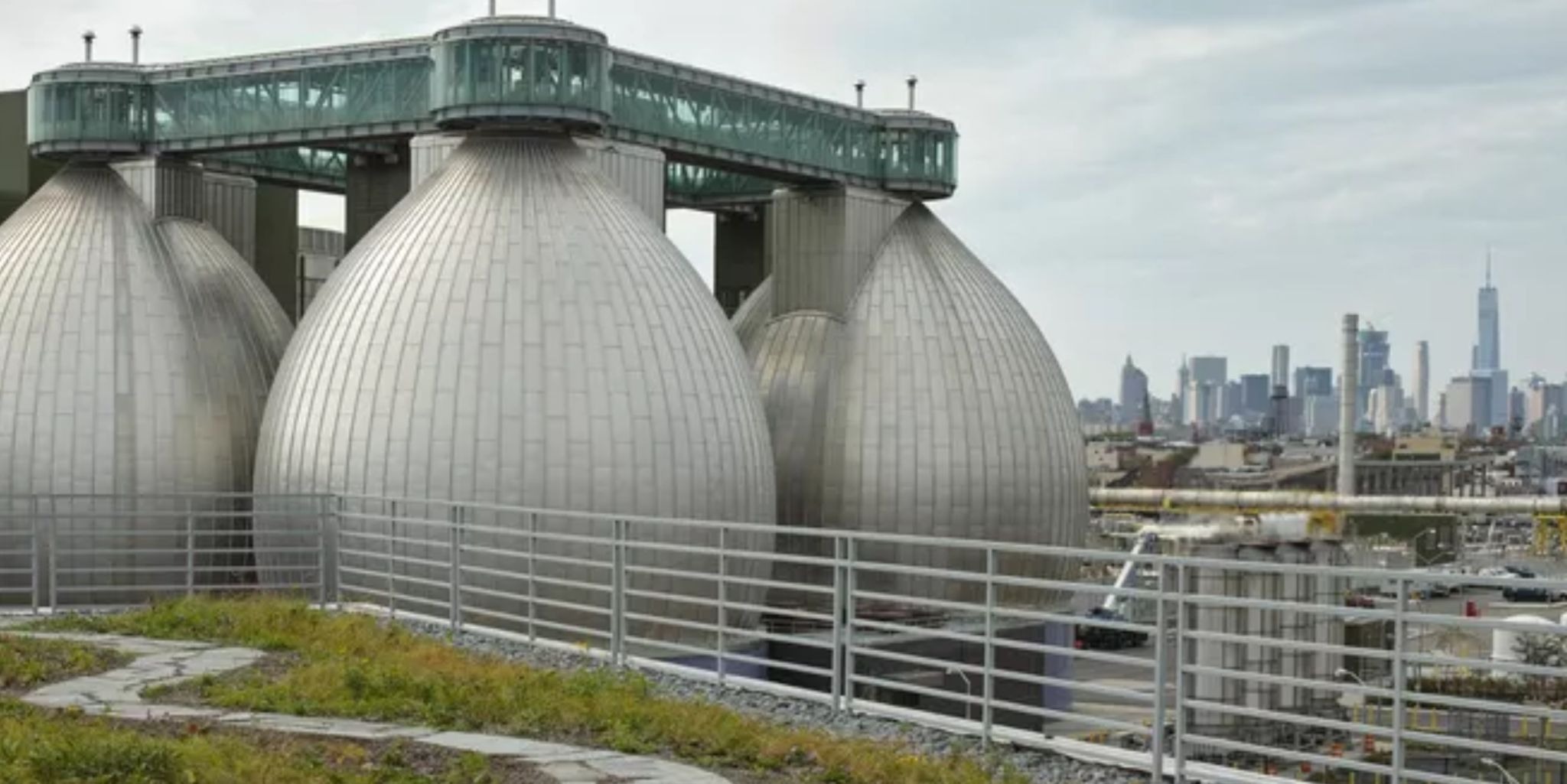
Ultimately, Brooklyn’s resilience hinges on pairing traditional sewer upgrades with decentralized solutions that manage rain where it lands. Permeable surfaces, rain gardens, green roofs, and subsurface retention tanks don’t replace the sewer grid—they keep it from getting overwhelmed. At the same time, routine catch-basin clearing, proactive utility maintenance, and mindful adaptation to local elevation remain non-negotiable fundamentals.
The city cannot tell a cloudburst to slow down. But it can dictate how water moves through its streets, where it collects, and where it ends up. In that light, flood resilience is far more than a plumbing problem—it is a true test of smart urban design.