

The Ridgewood Reservoir is located along the border of Brooklyn and Queens, in an area known as Highland Park. It shares its name with the adjacent neighborhood of Ridgewood. Logically, the reservoir was built on a hill to ensure a better water supply to the towns below, efficiently using gravity to power the distribution system. More details about the history of the Ridgewood Reservoir can be found on brooklyn-name.com.
The Construction of Ridgewood Reservoir
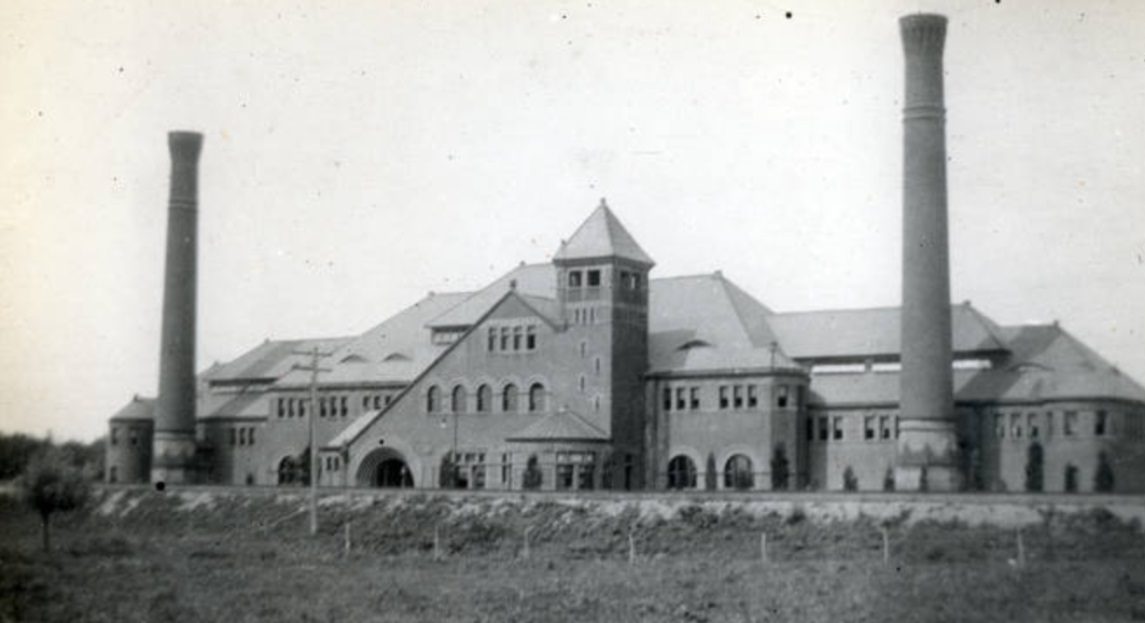
By the 1850s, Brooklyn was a patchwork of independent towns and villages, including Brooklyn, Williamsburg, and Bushwick. As the population of these areas rapidly increased, so did the demand for clean water.
At the time, a private company, Williamsburg Water Works, attempted to purchase existing water sources. However, the idea of private control over such a vital resource raised concerns.
To counteract private interests, the city of Brooklyn annexed Williamsburg and Bushwick, forming a larger municipality capable of developing and financing its own public water supply system. This annexation allowed Brooklyn authorities to think on a larger scale when addressing water supply issues.
Brooklyn engineers began searching for water sources farther from the city, leading to the purchase of reservoirs and lakes in Queens and Nassau Counties by the local government. As a result, several sources were acquired to supply the Brooklyn Water Works and ultimately feed the Ridgewood Reservoir.
One such source was Baisley Pond, which was naturally fed by streams and historically powered a grain mill. In 1856, Brooklyn purchased Baisley Pond from the Baisley family. Interestingly, this swampy, muddy terrain became famous for fossil discoveries, including remains of an ancient mastodon.
Another major water supplier was Hempstead Lake, a natural lake used to fill the Ridgewood Reservoir. Today, it serves as a popular park. Additionally, Valley Stream Pond, which ran through the village of the same name, was a significant contributor to the reservoir’s water supply.
The Opening of the Reservoir
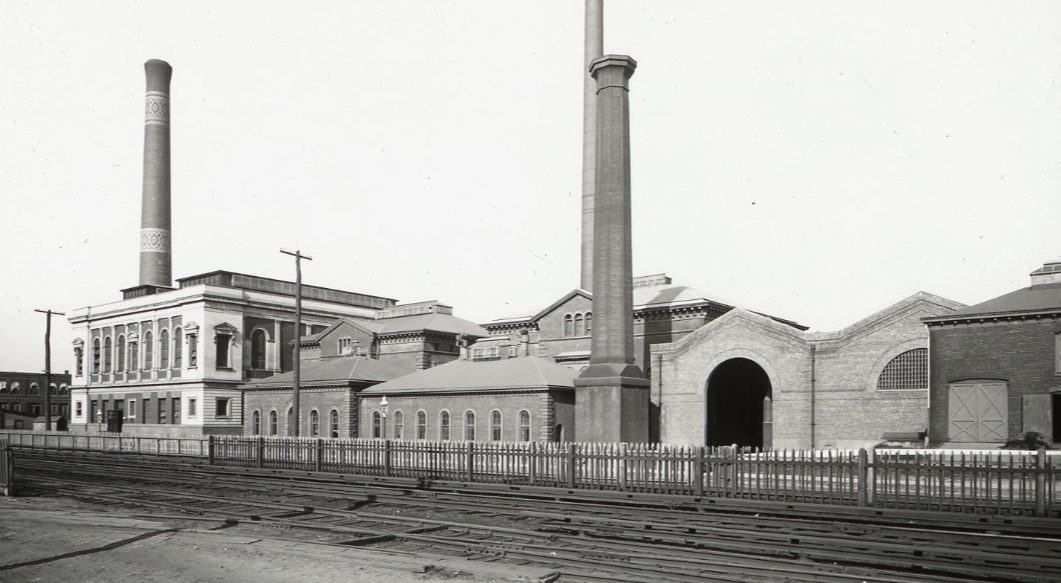
The Ridgewood Reservoir officially opened in 1858, featuring two large basins, which resembled massive water storage tanks.
Brooklyn residents were thrilled to have a reliable source of fresh water. However, demand for clean water continued to rise. By 1889, a third basin was added, increasing storage capacity to 300 million gallons.
Despite this expansion, Brooklyn’s growing population soon outpaced the supply. The city government attempted to expand its water supply into Suffolk County, but local leaders quickly passed a law prohibiting Brooklyn from taking their water.
A Grand Idea: The Creation of Greater New York
By the 1890s, New York City (then consisting only of Manhattan and part of the Bronx) was receiving water from the massive Croton Reservoir system, which supplied billions of gallons of water, far exceeding the 300 million gallons Ridgewood could provide.
Brooklyn’s chronic water shortages ultimately led city officials to support annexation into Greater New York. By merging with New York City in 1898, Brooklyn gained access to the Croton system, permanently solving its water supply problem.
Ridgewood Reservoir’s New Role
Even after Brooklyn joined New York City, the Ridgewood Reservoir remained in limited use. It served as an emergency water reserve for fire hydrants but was eventually abandoned in 1990. Today, the Ridgewood Reservoir has transformed into a thriving natural habitat for plants and wildlife.
Over time, as the basins dried up, sediment from the water formed nutrient-rich soil, supporting new vegetation. Notably, Basin No. 2, located in the center, was never drained and remains a freshwater pond.
A Masterpiece of Civil Engineering and Design
The Ridgewood Reservoir stands as an outstanding example of 19th-century civil engineering—an infrastructure project built for the public good.
At the time, it was one of the largest and most expensive public works projects undertaken in Brooklyn. Beyond supplying fresh water, the project also boasted exceptional architectural and landscape design.
When the water system was constructed—including aqueducts and reservoirs—architects were hired to design the pump stations and waterworks buildings, ensuring they were both functional and visually impressive.
Later, landscape designers were brought in to beautify the surrounding areas, enhancing public enjoyment of the site. rooklyn’s high demand for fresh water meant collecting it from multiple lakes and reservoirs along the southern edge of Queens and Nassau Counties. Often, this water had to be pumped from one location to another using large coal-powered engines.
To house these massive pumps, several large buildings were constructed—each designed with remarkable architectural detail. One of the most notable was the Milburn Pumping Station, built in Freeport, Long Island, in 1891. Unfortunately, the Milburn station was destroyed by fire nearly 100 years after it was built.
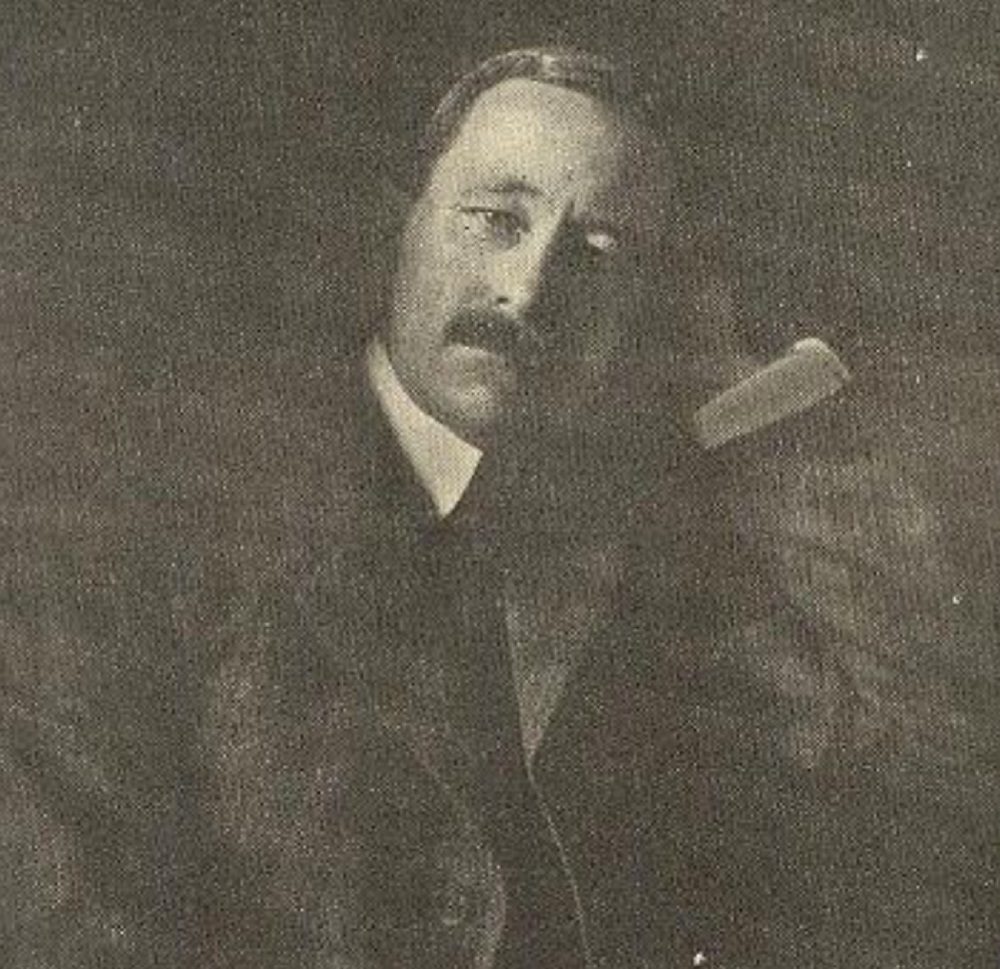
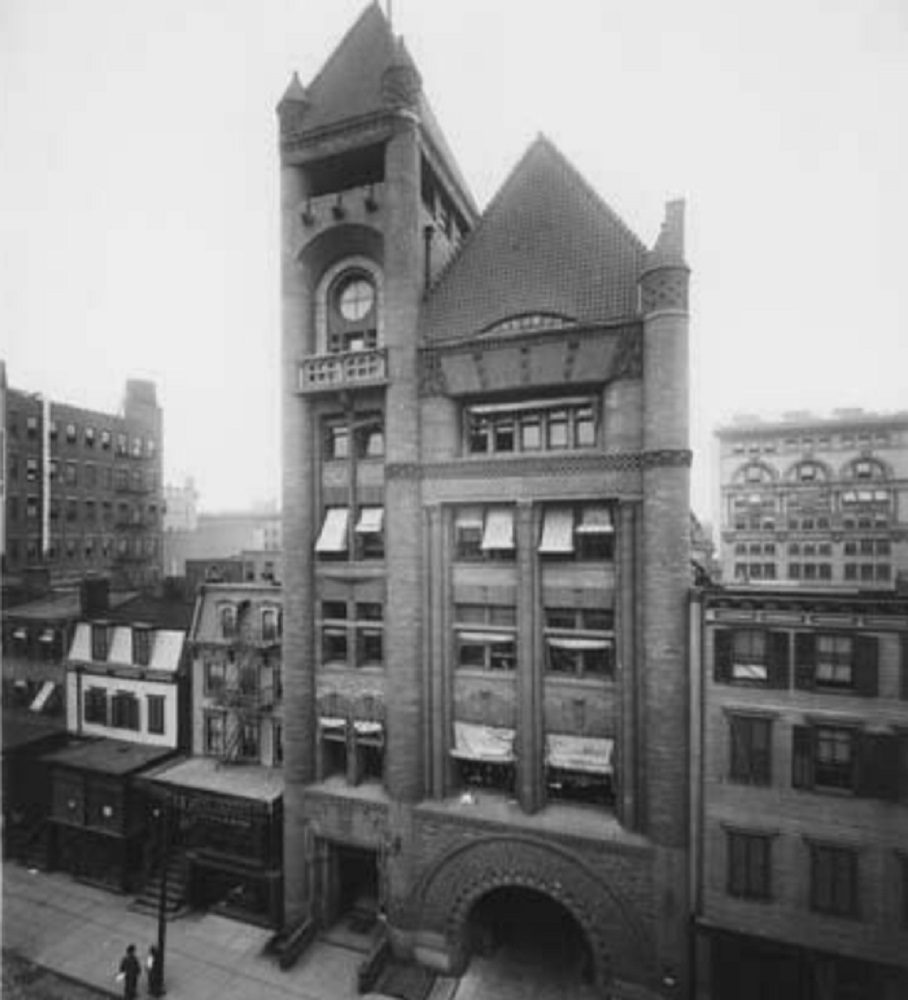
The architect behind these impressive structures was Frank Freeman, often referred to as “Brooklyn’s greatest architect.” Freeman was responsible for many of Brooklyn’s most important buildings, including mansions for millionaires, banks, hotels, office buildings, and even the Brooklyn Fire Department headquarters.
Ridgewood Reservoir Becomes a Park
Initially, the Ridgewood Reservoir was an off-limits industrial site, not intended for public recreation.
However, as Brooklyn expanded and more people moved to nearby neighborhoods, the land surrounding the reservoir was acquired and converted into a public park. The park was designed by the prestigious firm Olmsted, Olmsted & Eliot.
The firm’s founder, Frederick Law Olmsted, was also responsible for designing Central Park in Manhattan and Prospect Park in Brooklyn. His work extended beyond New York, with notable projects in Canada, California, and around the U.S. Capitol building in Washington, D.C.
The Creation of Highland Park
Highland Park was designed as a multipurpose green space, with walking paths, sports fields, and playgrounds. One of its key features was a perimeter path around Ridgewood Reservoir, offering scenic walking trails. By the early 1900s, the park had football fields, playgrounds, and even a large flower garden.
Many locals enjoyed walking the trail around the reservoir, taking in its serene beauty.
The Iconic Ridgewood Reservoir Fences
Today, Ridgewood Reservoir is enclosed by an intricate iron fence, a stunning example of metal craftsmanship. Originally, this fence surrounded the first two basins, while a separate decorative iron fence was later installed around the third basin. This elegant ironwork was designed by Hecla Iron Works, a renowned foundry based in Williamsburg, Brooklyn.
Despite being just a few miles away, Hecla Iron Works was famous throughout New York City for its technical mastery and craftsmanship. Over the years, the company produced exquisite entranceways for subway stations, as well as decorative railings and staircases for luxury apartment buildings such as The Dakota, office buildings like the New York Stock Exchange, and landmarks including Grand Central Terminal.
Hiring Hecla Iron Works was a statement of prestige, ensuring the Ridgewood Reservoir project had a refined, dignified appearance.
Beyond their aesthetic value, these fences served an important safety function—keeping visitors from accidentally falling into the reservoir while still allowing them to enjoy the beauty of the landscape.