

Today, innovative landscape design in Brooklyn reflects broader industry trends, focusing on sustainable design, the integration of smart technologies, and the implementation of natural solutions to urban environmental problems. It is now becoming fashionable and relevant in Brooklyn to seek out landscape architects and designers who specialize in unique urban problems, using green roofs, rain gardens, and native plantings for urban cooling and stormwater management, as well as smart irrigation and lighting systems. Read more about how Brooklyn’s much-needed greening is being achieved at brooklyn-name.com.
Community gardens
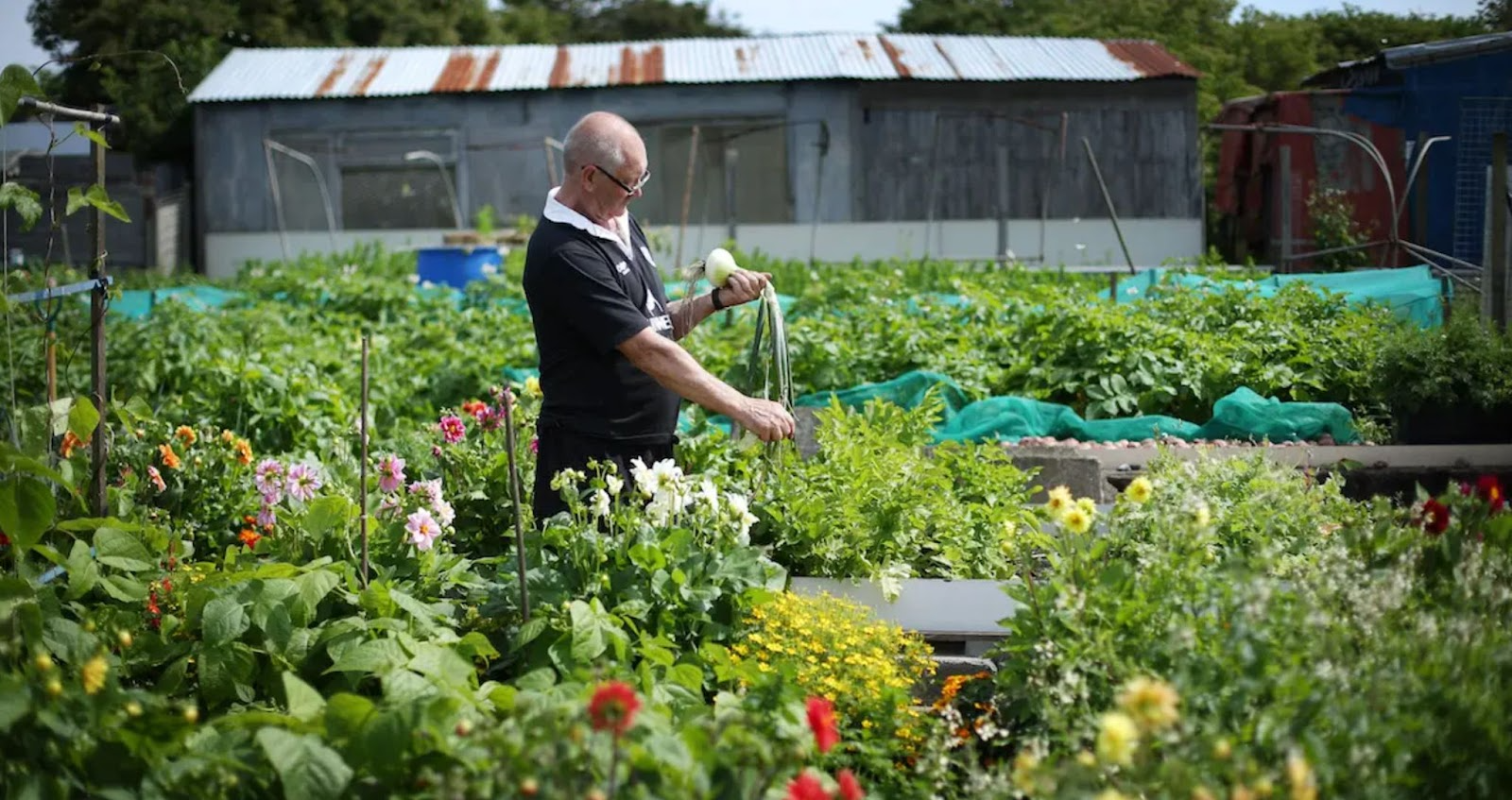
Community gardens have always been one of the best ways to bring people together while providing the community with a reliable source of fresh produce, especially if fresh fruits and vegetables are not readily available in the community.
In general, growing your own vegetables may seem almost impossible if you live in an apartment building or have a shaded yard. However, joining a community garden is a great solution to this problem. These shared spaces are a simple solution for promoting local food production and food security, as well as strengthening relationships between people.
But that’s not all, because participants in such associations have the opportunity to receive not only fresh vegetables, but also environmentally friendly ones, since they know exactly what chemicals were used to grow them. Another significant advantage of such gardens is their contribution to the greening of Brooklyn as a whole. This leads to an overall improvement in the ecological situation and a reduction in temperature, especially in hot weather. Given the state of the environment in large cities, this is an urgent and pressing issue.
Community gardens are maintained by their members. In some cases, people have separate plots for their households. In other cases, they grow crops together and share them or donate them for the benefit of others. Regardless of the approach, community gardens provide an opportunity to improve gardening skills, grow healthy food, and increase vegetable consumption.
These gardens also offer people the opportunity to learn important life skills and become self-sufficient in gardening. But how do you join a community garden in Brooklyn if you’ve never heard of one, or start a community garden if there isn’t one nearby?
How to join a community garden
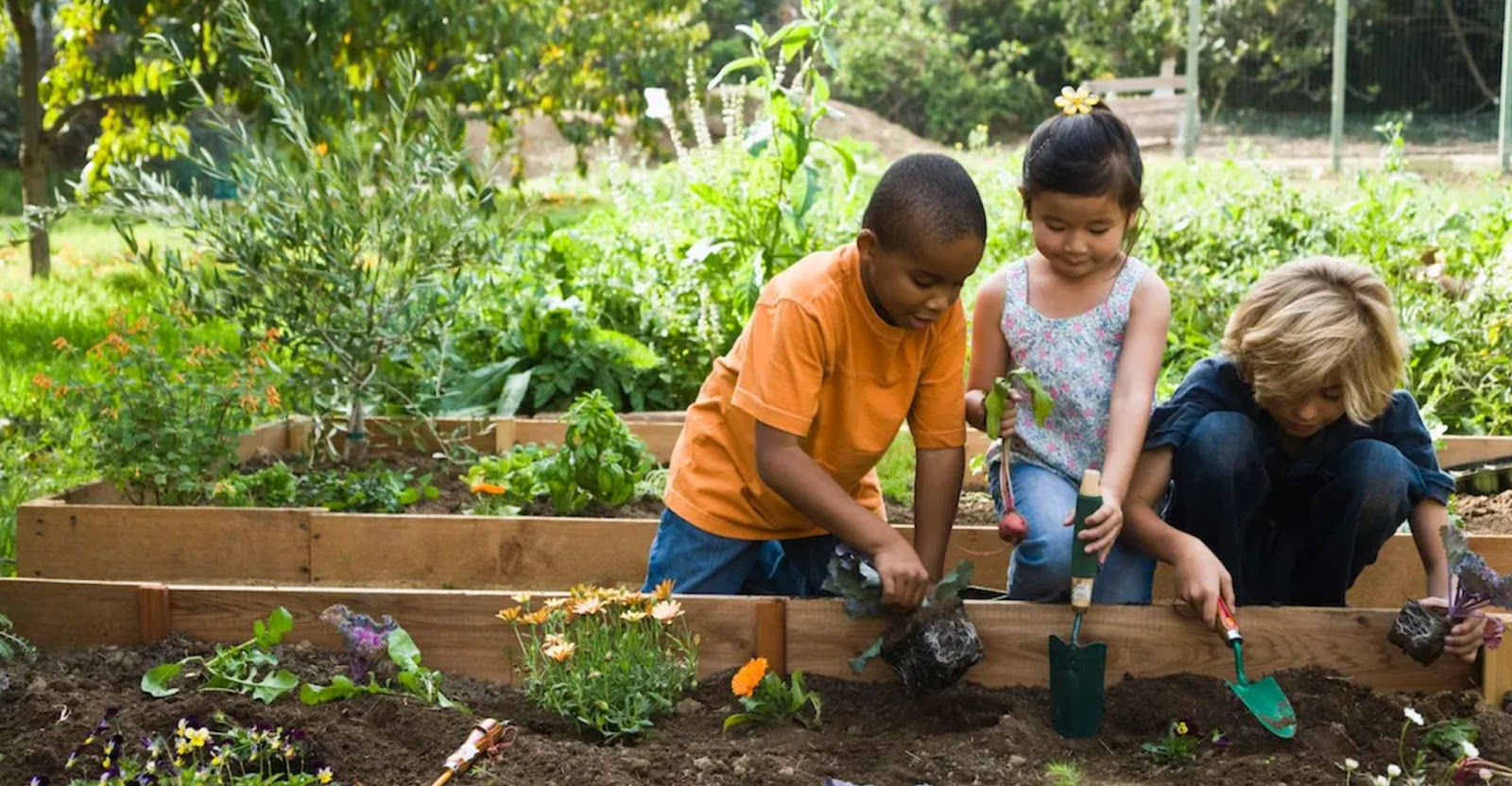
If you live in an apartment building or gated community, joining a community garden is as simple as finding out where they plant, what they plant, and when they meet. Many such communities in Brooklyn post flyers or advertise the garden at the beginning of the season. If the community has a social media page, or several, or another platform, then finding like-minded people becomes much easier. In general, community garden participants may even have closed groups for gardeners.
Therefore, the first thing to do is to find out about the existence of a local community garden and who manages it. After that, it is worth finding out how the association works, what the membership requirements are, how much it costs to become a member, etc. Of course, you will need to ask questions about the actual activities, i.e., how the garden works, what crops are grown there, and how the garden plots are organized.
An important question will be how you can help. By offering your help, you can join the farming community. The help you provide can be very diverse, such as watering plots when other gardeners are unable to do so, or weeding when there is too much weed and the plots look a little untidy. Just make sure that when you do the work, you are pulling out weeds and not vegetables or flowers.
You should also be aware that there may be some costs associated with joining a community garden, although these are usually minimal. First, you should consider the cost of purchasing gardening tools, garden soil, seeds, seedlings, fertilizers, etc. Second, some gardens in Brooklyn have membership fees, while others do not. Mostly, these fees are used to pay for the lease of the land on which the garden is located or for general purchases. In any case, you should find out about this and assess your financial capabilities before joining the association.
The best option would be to find an association near your home. This will save you both time and money that you would otherwise spend on transportation. In Brooklyn, this should not be a problem. By the way, churches, schools, colleges, universities, and even public parks provide space for community gardening. Of course, you can find advertisements for them on the Internet, on the websites of various schools, municipalities, recreation centers, etc.
Greening Brooklyn through landscape design
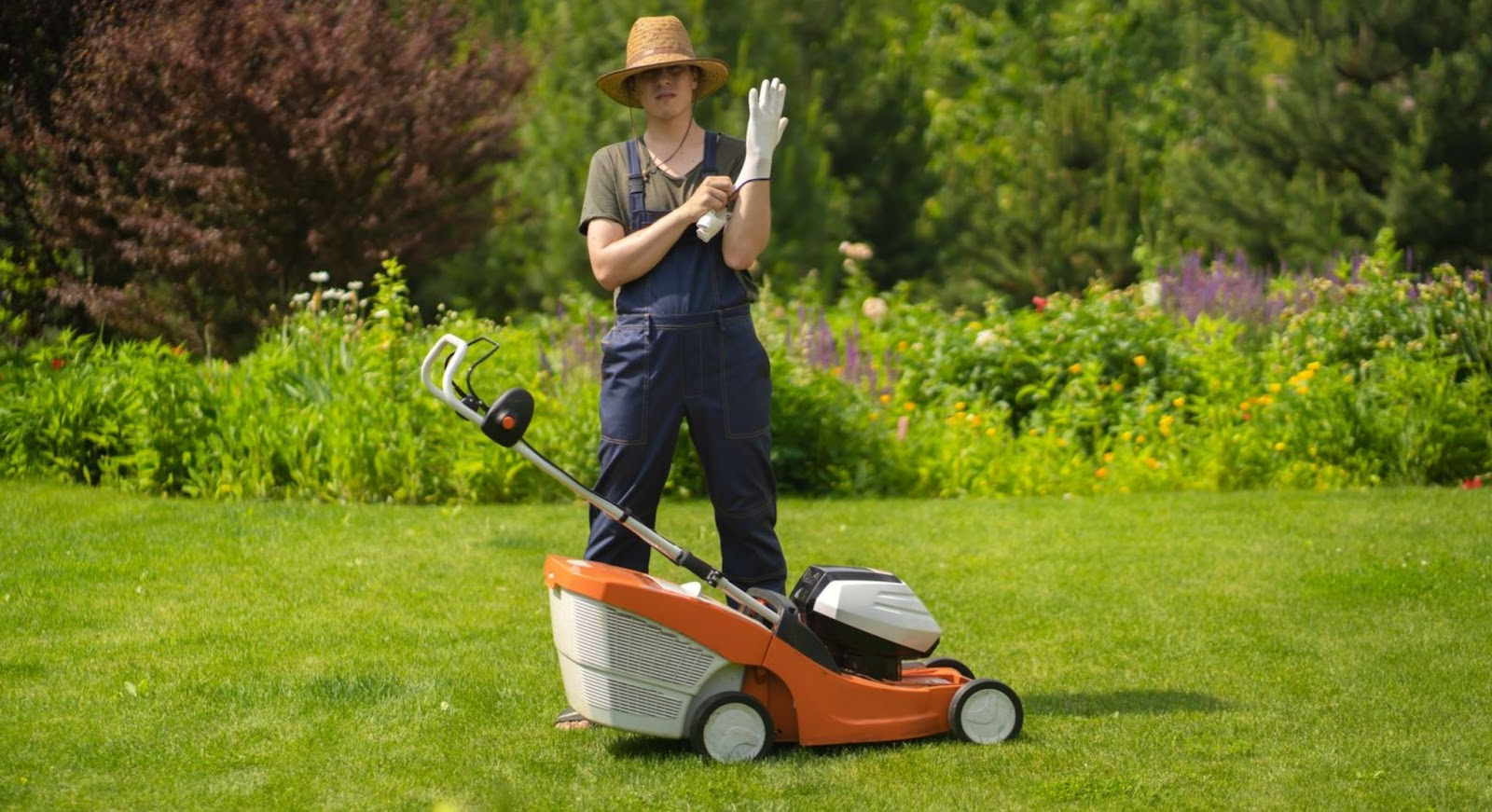
Another pretty effective way to green up Brooklyn has been landscape design lately. The thing is, sustainability has gone from being a niche interest to a central principle of modern landscape design. This trend is expected to continue as residential and commercial clients seek environmentally friendly solutions that reduce water consumption, lower carbon footprints, and promote biodiversity.
When it comes to key trends in Brooklyn, the following should be noted:
- Drought-resistant landscaping — As water scarcity becomes an increasingly pressing issue in many regions, drought-resistant plants and xeriscaping, or minimal water use, are becoming more popular in landscaping.
- Native plants — Using native plants reduces maintenance and water requirements and promotes the growth of local wildlife, including pollinating insects such as bees and butterflies.
- Composting and organic methods — Contractors are seeing a surge in demand for organic gardening, which includes natural fertilizers and composting, as homeowners prioritize ecosystems.
New trends in landscape design
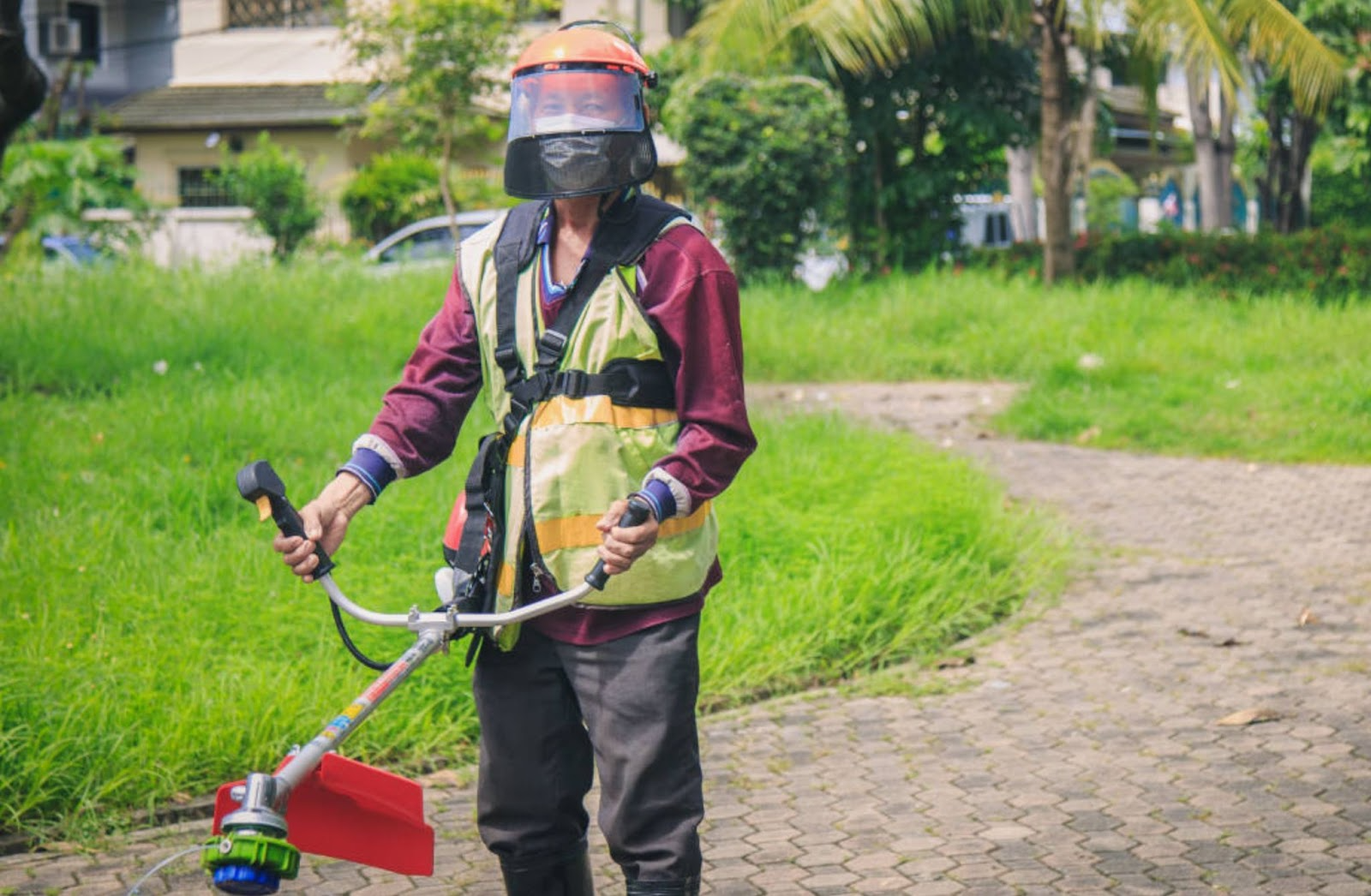
The trend is moving towards a transition to regenerative landscaping in Brooklyn over the next few years, which will restore and improve the land. This will make those who strive for this much more competitive in the landscape design market compared to others. After all, adapting to changing climatic conditions is one of the most important challenges facing the industry in recent years. Therefore, contractors who can offer climate-resilient solutions will have good opportunities to thrive.
To achieve this, several key methods should be adopted. One of these is stormwater management solutions. Given the increasing frequency of extreme weather conditions, landscape designers are paying more and more attention to the installation of rain gardens, permeable pavements, and biological sewage systems, which help manage runoff and reduce the risk of flooding. Considerable attention is paid to the selection of plants that are genetically resistant to heat. With rising average temperatures, such plants will become almost indispensable for landscape design.
Therefore, those who apply these climate trends will help their clients create sustainable, environmentally friendly spaces.
Sources: