

Biologists examine the living things that surround us and how they interact with the environment. Biologists study the effects of the human-created environment on the animal world, and vice versa. This is strongly tied to the concept of ecology.
Brooklyn was the birthplace of one of the outstanding American scientists, biologists and chemists who achieved a significant scientific breakthrough. His research has had an indirect impact on biology, chemistry, ecology and human life in general. Find out more information at brooklyn-name.
Ukrainian roots
The future scientist was born in Brooklyn in 1926 to a Jewish household. His father, Harry Royze, immigrated to the United States from Odessa. His maternal grandparents were from Hungary. Irwin attended high school in Brooklyn until the age of 13. He also received religious education at the same time. He went to a Jewish school. His desire to become a scientist was unaffected by his study of the Holy Scriptures.
Irwin’s father was a private business owner. He ran a flooring business. In 1939, the scientist’s younger brother fell sick. Doctors advised the family to shift the climate. So they relocated to Spokane, Washington. However, the father wasn’t with them. He stayed in New York to work and provide for his family.
Irwin himself made every effort to provide the family with financial support. During the summer holidays in Spokane, he worked part-time at a local psychiatric hospital. Irwin was drawn to medicine and science from a young age.
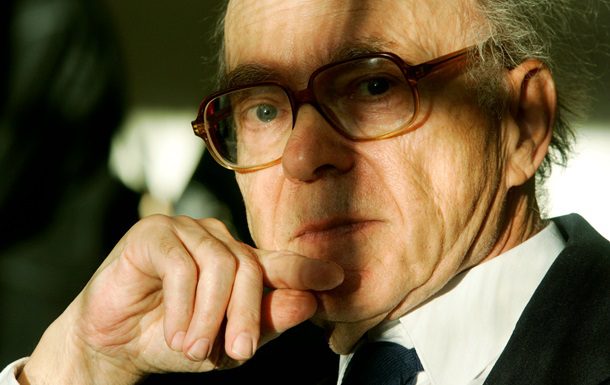
In 1943, Rose enrolled at Washington State University. Although, already in 1944, he was enlisted into the army. He worked as a radio technician in the United States Navy until the end of World War II. Following the war, Irwin resumed his studies at the University of Chicago, where he began studying biochemistry. He earned his doctoral degree in 1952.
Scientific achievements
After getting his degree, Irwin seriously engaged in research work. At the time, he was on the faculty of Western Reserve University and New York University. From 1954 through 1963, he worked at Yale University. At the Department of Biochemistry of the Faculty of Medicine, he carried out the first significant research. In 1963, Irwin relocated to Philadelphia to work at the Institute of Cancer Research. In the company of Aaron Ciechanover and Avraham Hershko, they made a significant advance in cancer research. He discovered the cells that are capable of isolating and destroying a single protein. This discovery contributed to a better understanding of cell division, the restoration of damaged hereditary information, the removal of the wrong protein and other processes. Their research laid the groundwork for comprehending the immune system’s protein breakdown process.
He worked there till 1995. After that, he retired.
Throughout his academic career, he was able to work at a variety of universities. As a result, his name became well-known in the fields of biology and science.
Cure for cancer
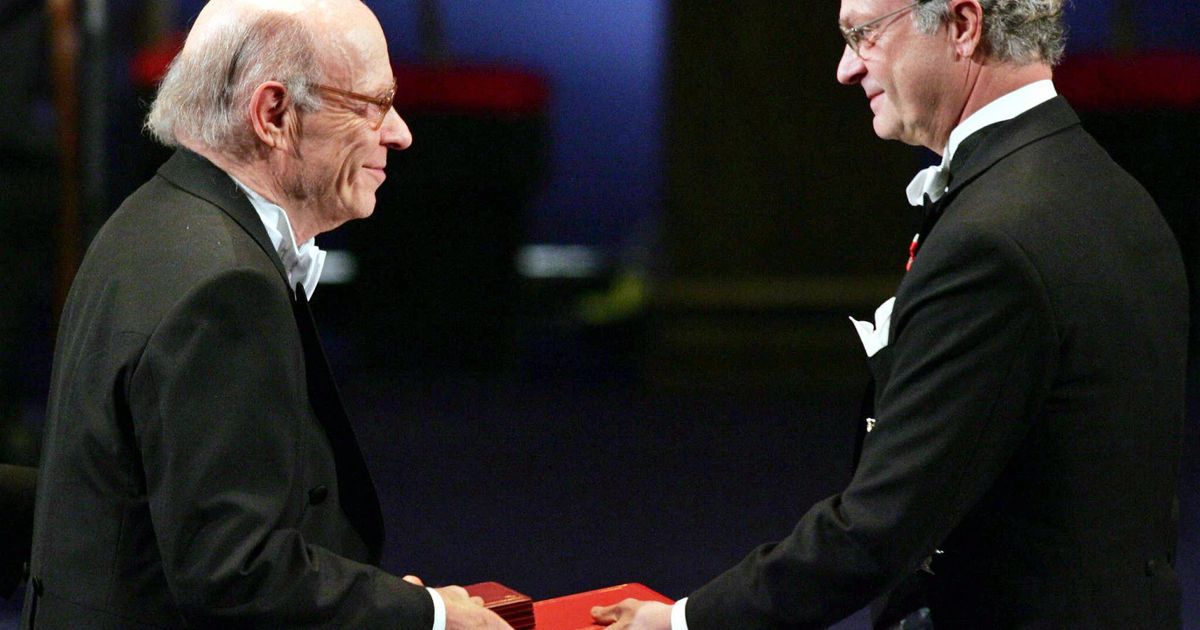
Irwin’s discovery of protein degradation was the first major step in developing a cancer cure. Then the first anti-cancer medications were developed. This medication was designed to simultaneously eliminate and shield the dangerous protein. It was owing to Irwin that the first anti-cancer medicine, Velcade, was manufactured in America in 2003. Rose identified the protein breakdown process, which served as the basis for its operation. Rose, Hershko and Ciechanover were awarded the Nobel Prize in Chemistry in 2004 for this incredible discovery.
Irwin was married to biochemist Zelda Budenstein in 1955. The couple had four children.
The well-known biologist died in Massachusetts in 2015. He spent his entire life studying biology and the world’s most common disease, cancer. Thus, he was the first to comprehend its nature, but not the purpose of its appearance.