

He was an American zoologist who served as president, CEO and chief scientific officer of Panthera Corporation, a non-profit environmental organization engaged in protecting 40 feline species around the world. He has been called the “Indiana Jones of Wildlife Protection.” He studied jaguars, clouded and Asian leopards, tigers, Sumatran rhinoceros, bears, leopard cats and raccoons in their natural habitat. We are talking about Brooklyn native Alan Rabinowitz. Read more about his life and career at brooklyn-name.
Early years
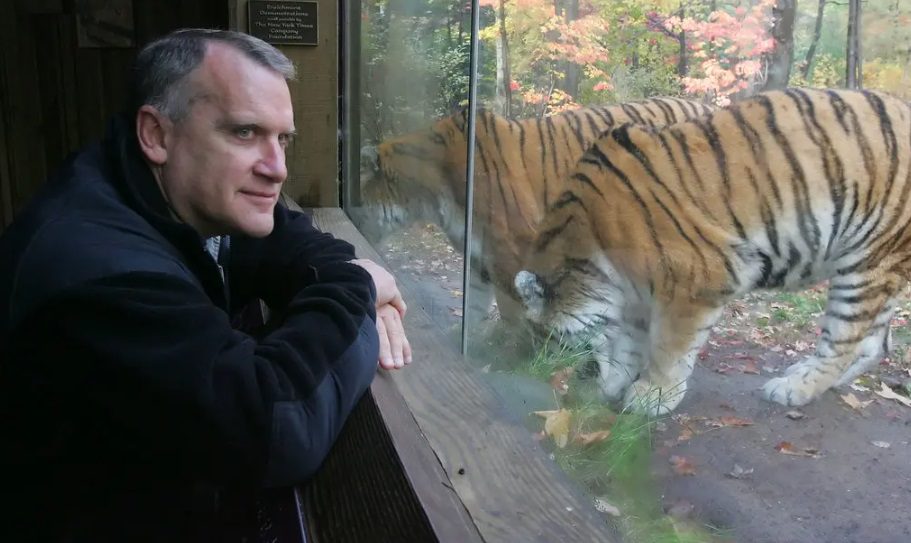
Alan was born in December 1953 in Brooklyn, NY, but soon after moved to Queens with his parents, Shirley and Frank Rabinowitz. In elementary school, he suffered from stammering. Unable to freely interact with his peers and teachers, Rabinowitz developed an interest in nature.
Later, Alan often recalled how he explored wildlife conservation issues in childhood.
In 2008, a video of Rabinowitz sharing this story on The Colbert Report went viral. He was then working as a spokesman at the Stuttering Foundation. In 1974, Alan graduated from Western Maryland College in Westminster with a BA degree in biology and chemistry. After that, he obtained a master’s and PhD from the University of Tennessee.
UNESCO
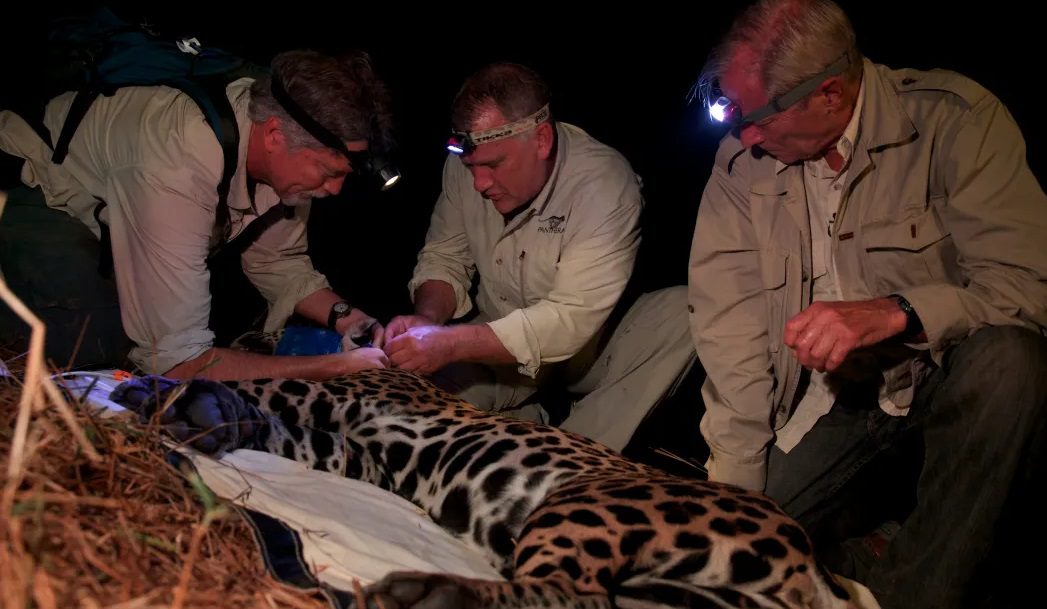
Before founding Panthera Corporation with the organization’s head, Thomas Kaplan, Alan was CEO of the Science and Exploration Division of the WCS in 2006. He remained there for almost 30 years. While working in Myanmar, he discovered four new types of animals in 1997. One of them was the most primitive deer species, Muntiacus putaoensis. With his efforts, new conservation parks were created in Myanmar. Lampi Island Marine National Park, the tiger reserve and one of the largest world conservation areas, Hukaung Valley Wildlife Sanctuary and the Northern Forest Complex, which is a park for adjacent conservation territory covering over 5,000 square miles, were one of them.
In Belize, Mr. Rabinowitz founded the unique jaguar sanctuary and a huge tiger reserve in Myanmar. His radiotelemetric study on Asiatic leopards, leopard cats and Asian civets in a wildlife sanctuary in Thailand helped to determine the necessary space for life and reproduction for each species. As a result, the sanctuary was included in the UNESCO World Heritage list.
Jaguar Corridor
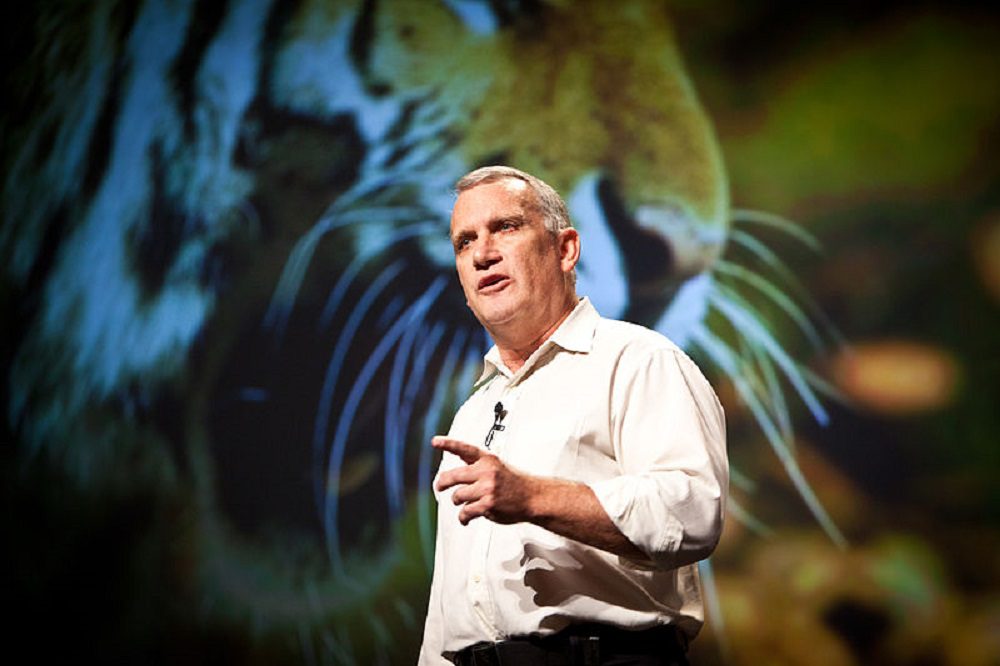
The implementation of the Jaguar Corridor in the Asian region was one of his accomplishments. It is a system of biological and genetic corridors encompassing jaguars’ habitat from Mexico to Argentina. Alan also introduced Panthera’s Tiger Corridor Initiative, aimed at identifying and protecting the remaining major areas with tigers. Special attention was paid to the remote and inaccessible Indo-Himalayan region of Asia.
His project related to the creation of conservation areas for tigers in the southern Himalayas became the main topic of the BBC Natural History Unit and their documentary Lost Land of the Tiger. After a month of studying the big cats in Bhutan, the expedition team found that tigers inhabit much higher elevations than they had thought before.
In November 2017, Rabinowitz became the principal researcher of Panthera. He continued to oversee large-scale programs to protect tigers, lions, jaguars and other felines.