

Most likely, when it comes to bees, everyone thinks of this insect exclusively as a honeybee. The stereotypical imagination draws a black-and-yellow-striped bee living in a hive ruled by a queen or even a queen. Its subordinates work tirelessly to produce honeycombs. It is also known about bees that they tend to sting those who want to offend them, or so it seems to them.
Therefore, these honey bees have captured the collective imagination of people so much that they are considered typical representatives of the family. But in reality, bees can be black, brown, or even green. Moreover, their size can range from 1/8 of an inch to more than an inch long. And the best part is that the vast majority of North American bees are solitary creatures that prefer to live in tree holes or simply in the soil. Read more at brooklyn-name.com.
Emigrants of the Brooklyn Botanical Garden
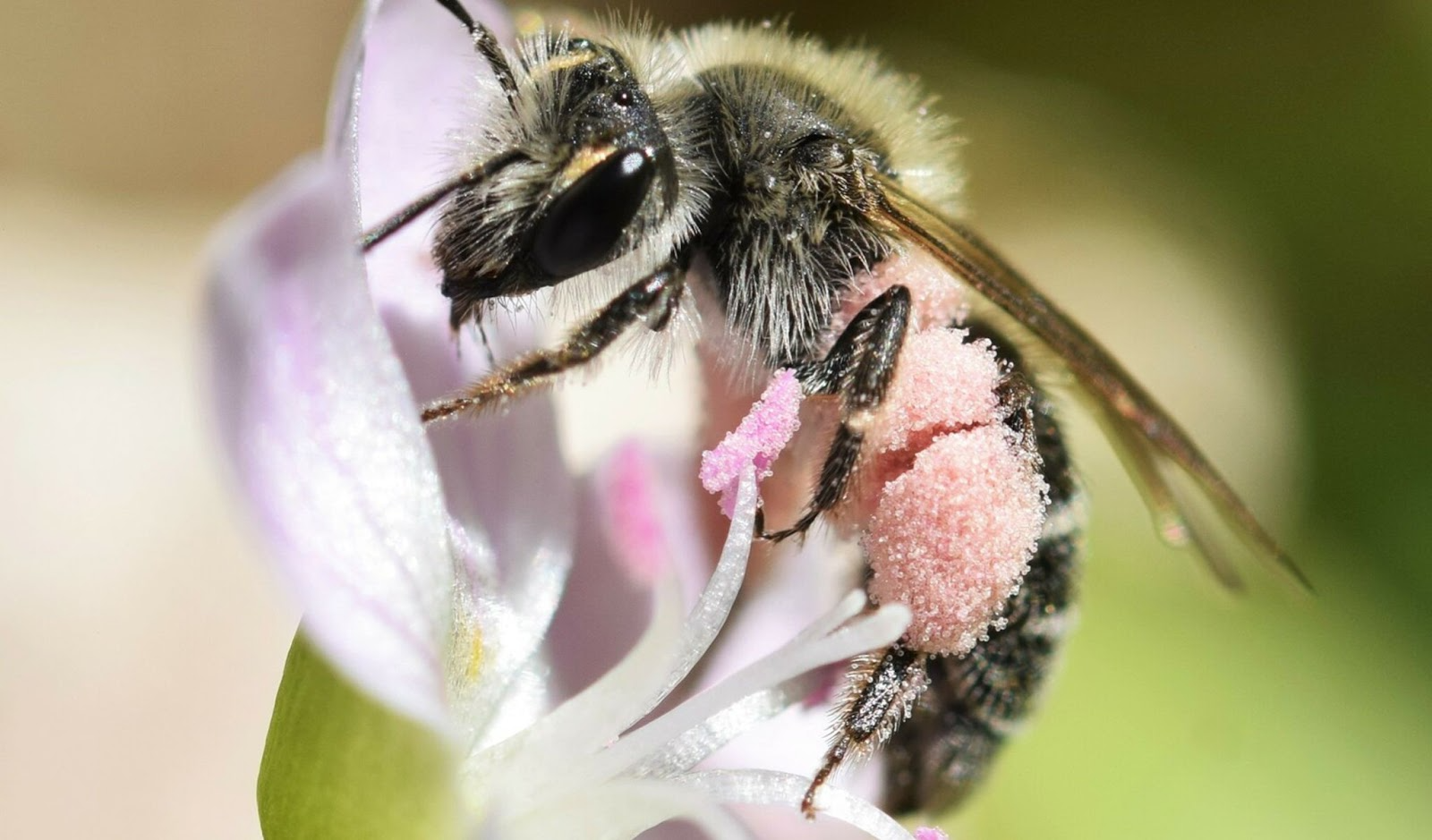
That’s right, honey bees, or more correctly Apis melliflora, are relatively new to North America, and thus to Brooklyn. They were brought here from Europe to support local agriculture. These bees are just one of nearly 20,000 identified species of insects living in North America. At the same time, only 4000 species are native to the continent.
As for the state of New York, and, accordingly, the borough of Brooklyn, about 430 species of bees have been found here. More than 200 species live in New York City itself. The study, by the way, lasted four years and revealed about 54 species in Brooklyn’s public gardens. So, if you take a closer look at the insects flying from flower to flower while walking in the garden, you will definitely notice a whole variety of fussy bees.
The Brooklyn Botanical Garden is a good place to study local bees. In addition, regardless of whether they are native or non-native insects, bees can be characterized by how they behave in bee society, what kind of nesting they prefer, and their preferences for certain flowers.
Most of the bees that live in the Brooklyn Botanical Garden collect pollen from almost all the variety of local plants. However, some species are more selective. For example, the Melissodes species prefers plants of the sunflower family, they like asters and daisies, and sunflowers. In fact, this bee is considered one of the main pollinators of sunflowers.
There is another interesting point that experts have discovered. It turns out that bees and flowers have mutual adaptation. What does this mean, for example, is that bees gather daily and fly to certain plants at the exact time of day when the flowers release pollen. Other bees have body features that correspond to the shape of the flower, which, of course, helps to collect nectar. However, only four percent of such bees were found in the study that took place, including in the Brooklyn Botanical Garden.
Kleptocrat bees
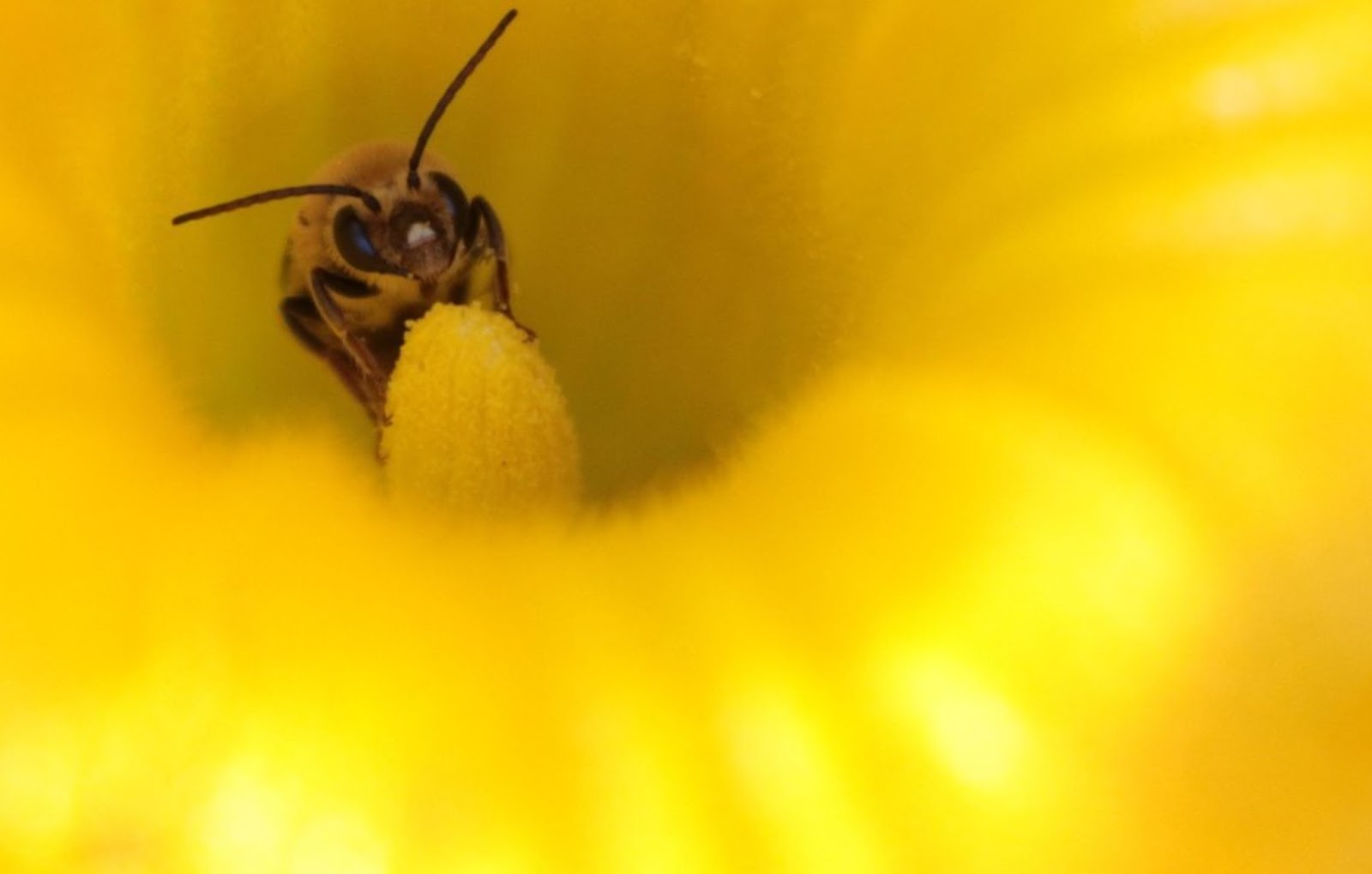
What else did the researchers at the Brooklyn Botanical Garden discover? It turns out that there are bees that steal food from other species. Kleptocrat bees do not have pollen traps to collect pollen. Instead, they lay their eggs in cells built by other bees. After that, the parasitic larvae that hatch not only eat all the pollen, but also the host larvae. About three percent of all bees observed in the Brooklyn Botanical Garden were parasites.
But it’s not all bad, there are also bees that lead a moral life. These are the so-called socialized bees. They nest in colonies and share responsibilities among themselves. Some of them are responsible for labor, and others for reproductive functions. As an example, a well-known honeybee colony consists of a queen, which is engaged in reproduction by laying eggs. The male drones, which are also present, mate with the queen. And all the rest are worker bees, the queen’s daughters, who perform all the other tasks that are necessary for the life of the colony.
Socialized bees
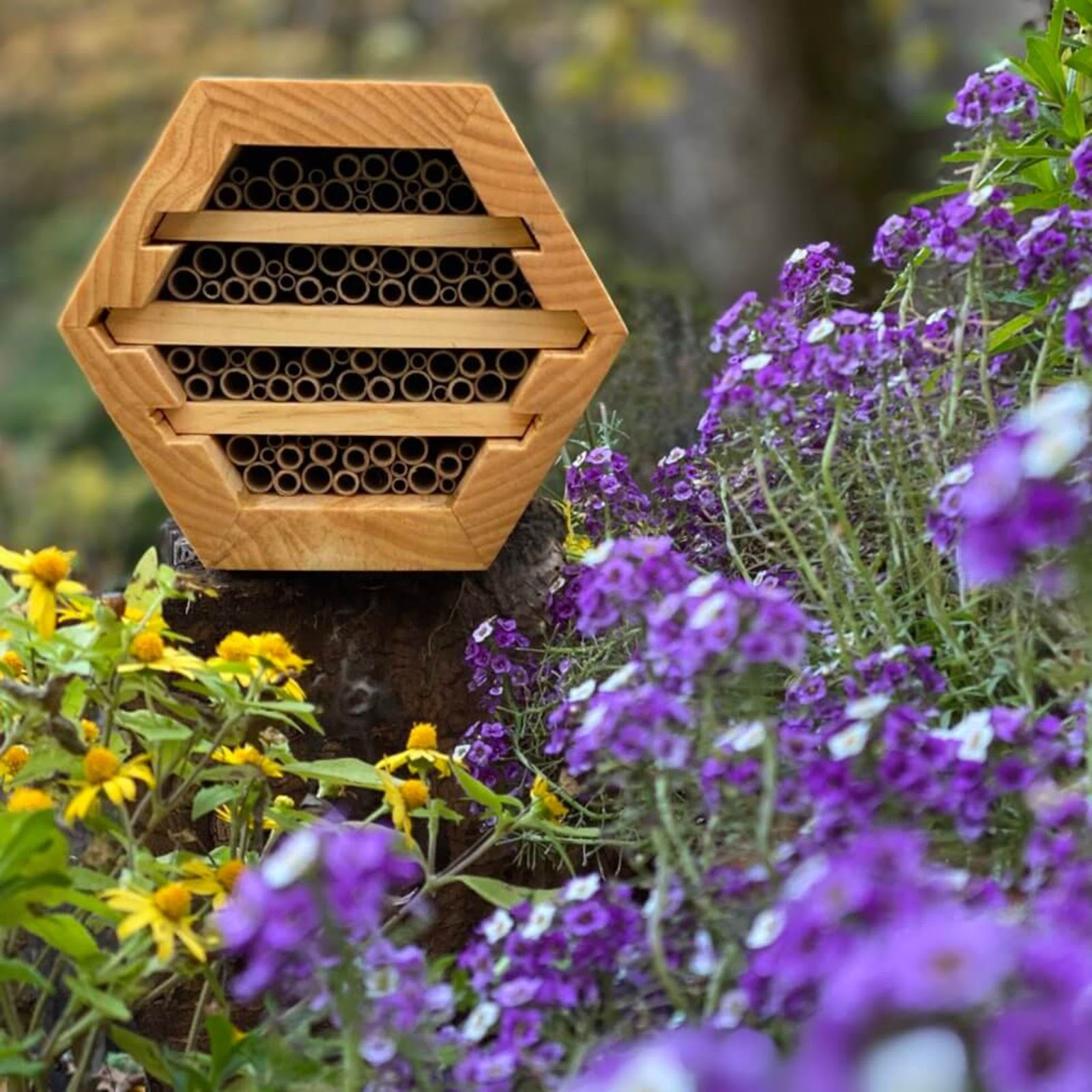
Worker bees collect nectar and pollen, and turn the nectar into honey, which is essentially a food supply, and pollen into pollen for feeding the larvae that have just been born. In order to preserve food reserves, the same worker bees build wax cells. This is also where the queen lays her eggs. In addition, worker bees are responsible for protecting the hive and taking care of the young brood in the future. Socialization refers to the presence of one queen, one hundred drones, and 20,000 to 40,000 worker bees in a honeybee hive.
Such a colony of honey bees is perennial, with the queen hibernating and living for about three to four years. The worker bees die after three weeks, and the drones die after mating or are driven out during the winter. When the queen ages or the hive becomes overcrowded, the worker bees begin to raise a new queen. By the way, honey bees are recognized as the most difficult to organize among socialized bees.
There are also local bumblebees in the Brooklyn Garden – Bombus. They are also socialized, but they live in a different way from bees. Bumblebee colonies are usually not so numerous, with 50 to 200 individuals. Moreover, they prefer to build their homes on the ground. In addition, such colonies exist for only a year. But bumblebees also have their own queen, who mates in the fall and then falls asleep for the winter.
In the spring, she wakes up, chooses a place for a new home, and lays eggs, from which a new colony will later hatch. The following fall, new queens and males hatch. They leave the nest to mate and choose a protected place to hibernate for the winter, at which time the old queen, along with workers and males, dies.
One of the most surprising discoveries made in the study, including at the Brooklyn Botanical Garden, was the prevalence of exotic bee species. More than a quarter of individual bees were found to be non-native to North America. By comparison, in studies of bees in a suburb near New York City, only about two percent of individuals were so.
The researchers suggested that the intensive development of large cities was to blame, which led to the selective displacement of nesting species. The problem could be a negative impact on local populations due to competition for nesting sites and flower resources.
Beekeeping in Brooklyn
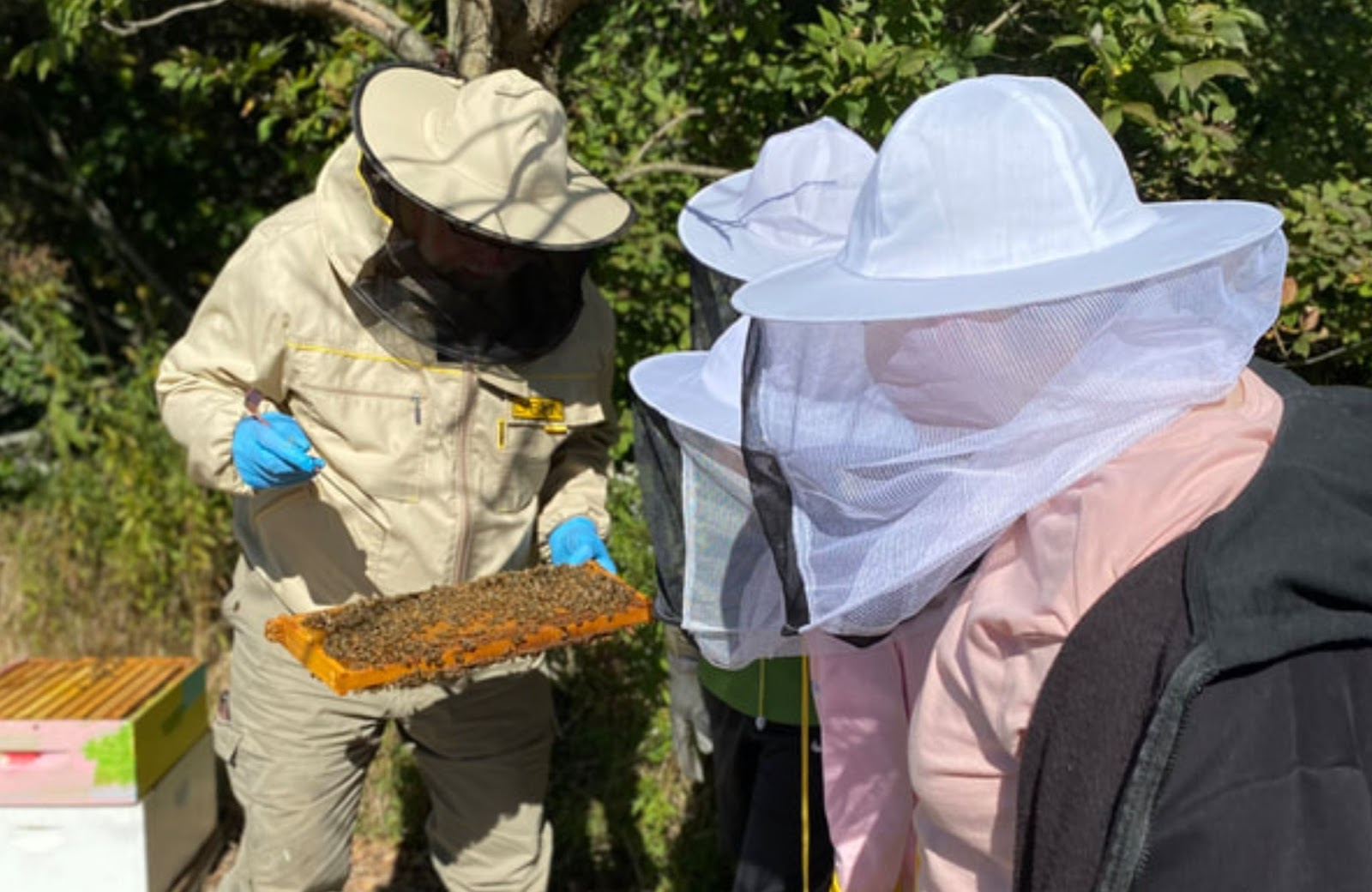
As for beekeeping in Brooklyn, one of the organizations that promotes it is The Bee Conservancy. This society cooperates with public organizations, they create places for bees to live and conduct educational events on nature conservation in urban areas. They also provide training on conservation strategies. This means progress in the creation of bee reserves, the evolution of their habitats, and the empowerment of people in this context through scientific initiatives.
In addition, the organization is working to improve the protection of pollinators by improving environmental safety in Brooklyn. Honey bee hives are allowed in the borough, although beekeepers must register them and comply with health regulations. The Bee Conservancy is working hard to expand access to beekeeping education and conservation in areas such as Brooklyn.
Sources: