

400 years ago, the first European buildings in Brooklyn were made of wood. This remained the case for the next 200 years, until a series of fires beginning in 1776 began to destroy the city. After the Great Fire of 1835 in New York, which also affected Brooklyn homes, the construction of wooden houses began to be banned. But this proved to be insufficient — ten years later, the Great Fire of 1845 burned down almost everything that remained of the old city. This ban was in effect within a certain radius, so even after the 1835 ban, some houses in the city center were built of wood. By 1890, the city of Brooklyn had also introduced this ban. Read more about the history of wood use in the borough at brooklyn-name.com.
Fire hazard
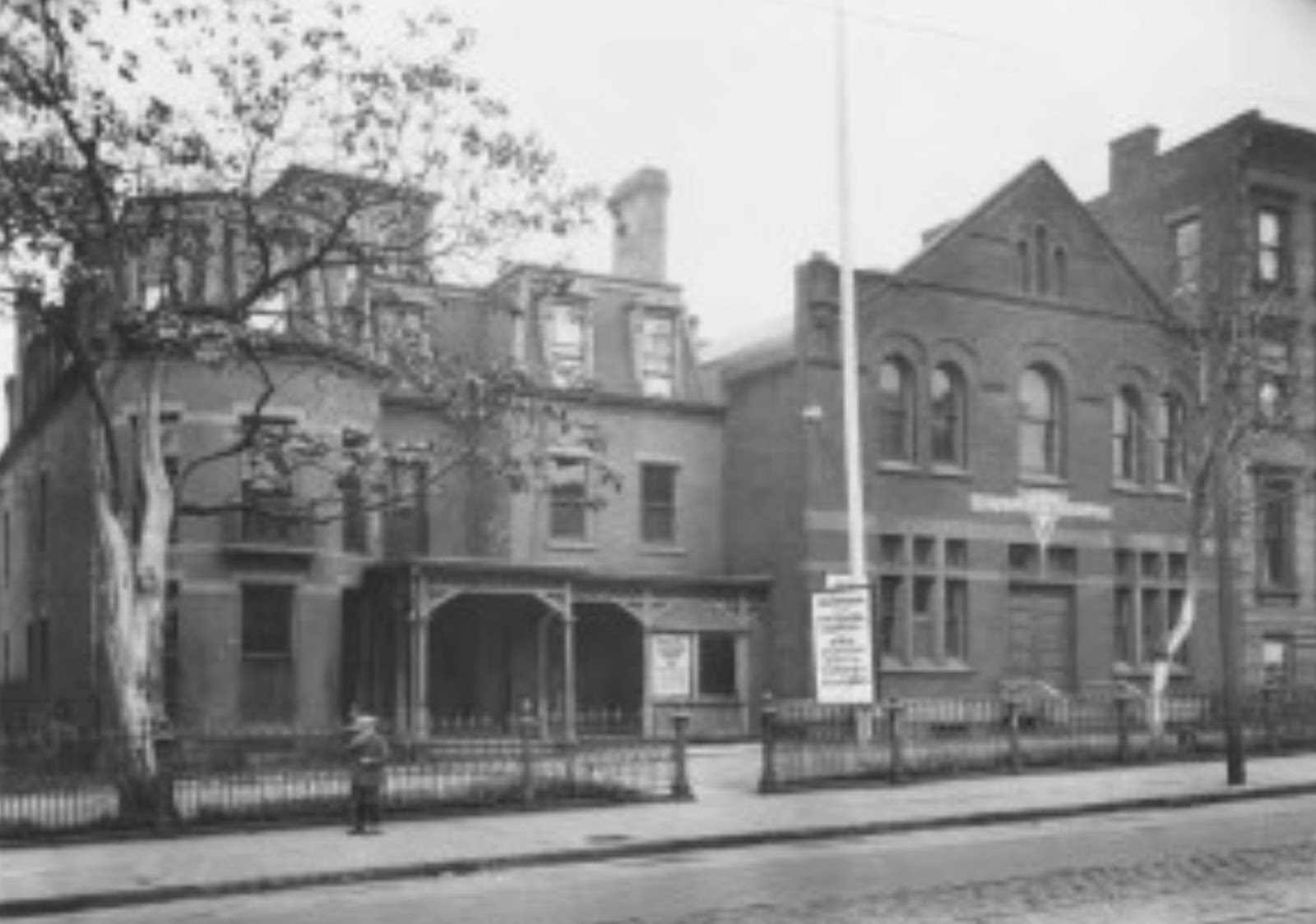
In 1909, on a cold December day, a fire broke out on the busy streets of Brownsville, the likes of which had never been seen before. Frame houses next to the school were burning. The fire was out of control. The flames engulfed the roofs of the houses, then the attics caught fire, and then the fire spread directly to the frame of the house. Ten houses were damaged in this way.
As noted by the local newspaper, the Brooklyn Daily Eagle, the smoke from the burning buildings was blown by the wind onto the school premises. This educational institution no longer exists; it was located at the corner of Dumont Avenue and Powell Street. All these events brought parents to the school, who could not believe that neither the houses nearby nor the school itself existed anymore, because their children studied there. At that time, there were 5,000 students.
In general, the fire quickly engulfed a number of frame houses, and many residents barely managed to escape from their burning homes. That day, the city lost at least 10 two-family houses, which were home to about 25 families, instantly leaving more than 150 residents homeless.
This massive fire in Brooklyn prompted supporters of a ban on wooden frame construction to appeal to city officials to extend the city’s fire safety regulations to its outlying areas. The fact is that the building code, which came into force in 1890 in many areas of Brooklyn, prohibited the construction of wooden buildings in areas close to the center of what was then Brooklyn.
Accordingly, the restrictive provisions of the law did not apply east of East New York Avenue, where wooden frame construction continued uninterrupted throughout this period. No city or district legislator who could have insisted on extending the fire safety boundaries did so, because they clearly understood that they were risking their own political authority.
In 1897, the Brooklyn Daily Eagle newspaper ironically noted that if any official were to introduce a bill to amend building codes relating to fire safety in such a way. All construction work on one side of Broadway would become more expensive. On the other. It would be advisable for that official to resign along with the bill.
Ban on the construction of wooden buildings
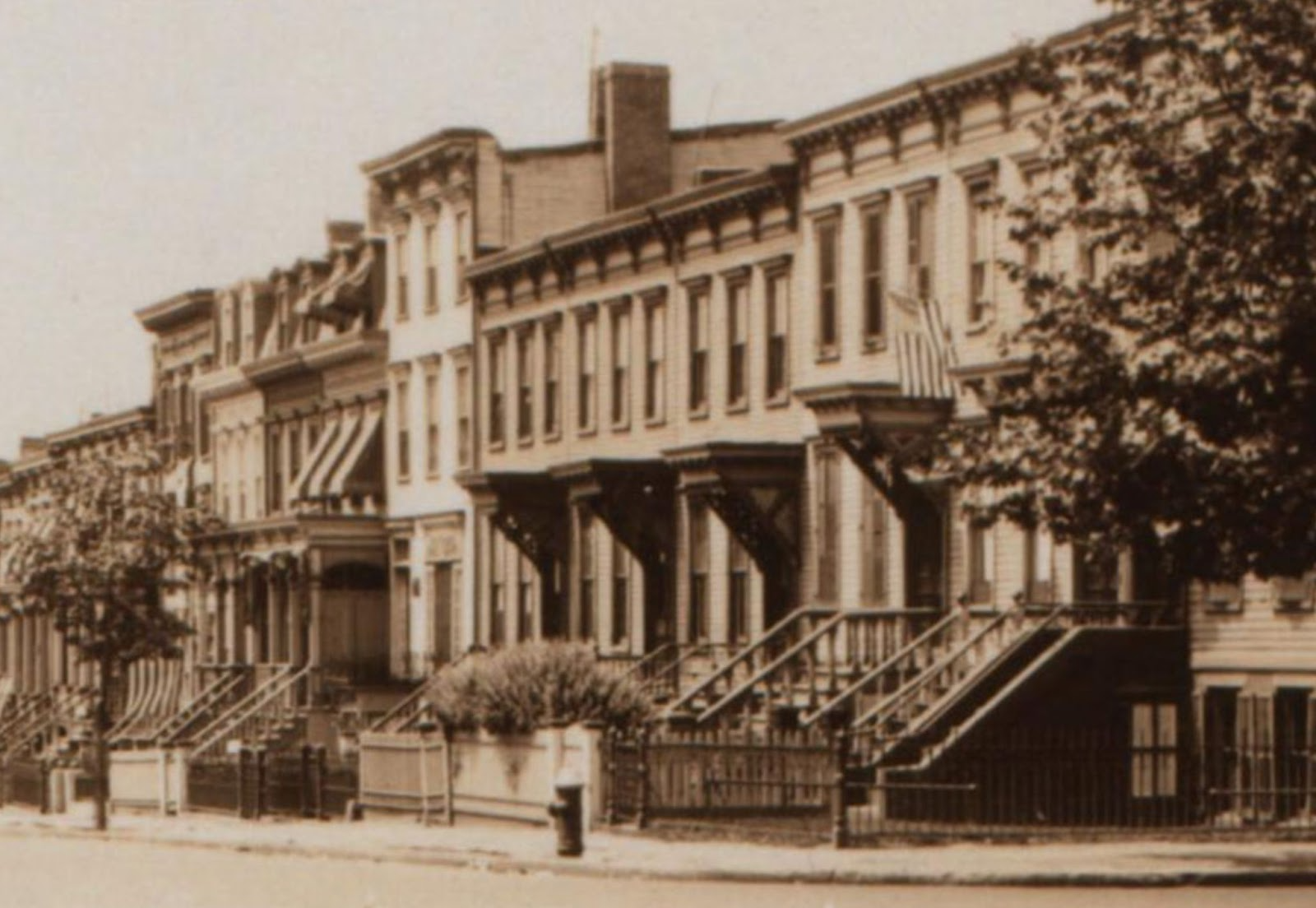
And so, by 1909, local aldermen found themselves in this predicament, as the cacophony of calls to expand the boundaries of fire safety zones grew louder and louder. Proposals to expand the existing fire safety boundaries covered everything west of Prospect Park and Greenwood Cemetery, and east along Crown Street and East New York Avenue to Broadway.
In addition to the moratorium on wooden construction, it was specified that existing frame buildings could not be raised above 36 feet 6 inches. This ensured that in the event of a fire, firefighters would be able to reach the burning parts of the building without obstruction.
Understandably, builders were opposed to such fire safety measures, as they directly affected their profits from housing construction. In view of this, articles began to appear in the local press, without attribution, attempting to influence public opinion on the matter. The authors of these articles believed that expanding the boundaries of fire safety would cause significant damage to the new regions. There was an opinion that these articles were written at the request of the builders themselves.
It is true that there were also those who, in the press, advocated the introduction of such laws, believing that, although their introduction could be very expensive, it was a matter of primary concern to society. Because the new norms, according to these authors, could save countless lives. Those people who fought fires understood the danger of long rows of non-combustible wooden structures that would catch fire at the slightest opportunity.
However, fire prevention measures with restrictions on the construction of wooden houses did not receive sufficient political support for several years. It was only in 1914, when another attempt was made to extend these restrictions to all five boroughs of Brooklyn, that it became the most expedient and politically prudent step for the aldermen to take in order to pass the law.
In the end, perhaps the consciences of these legislators were assuaged by the fact that Brooklyn residents will be safer in their homes in the future. Although the extension of fire restrictions in Brooklyn to the entire borough did not stop the fires that haunt any modern city, the end of wood-frame construction certainly made disasters like the one in 1909 much less frequent.
Modern wood
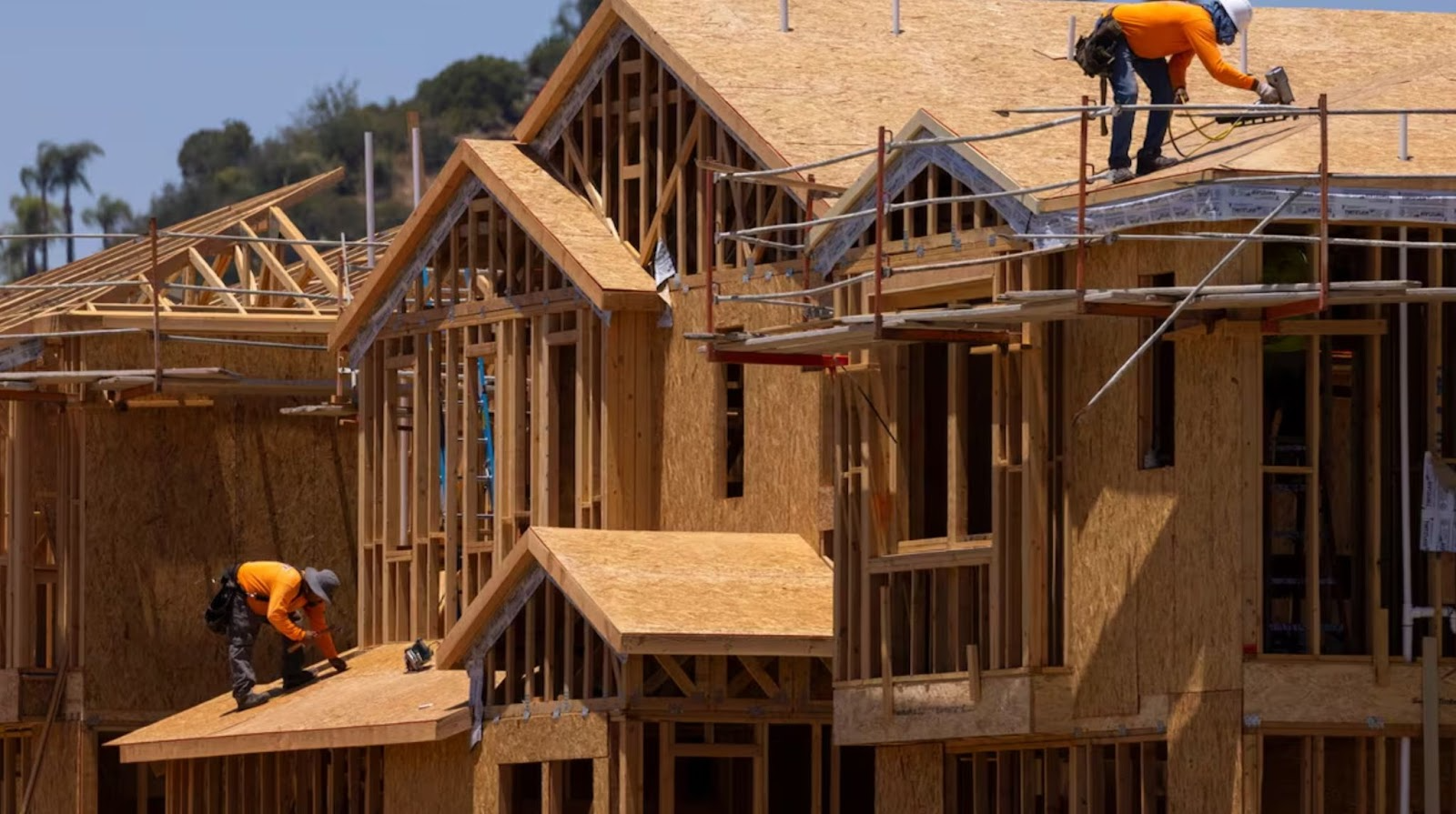
Wood in the United States is commonly used to make furniture, flooring, and paper, but it has also been and is widely used in building construction. As a result, the United States is now one of the few places in the world where wood is the predominant material for building homes.
This situation raises a lot of questions, as wood is a material that is much more vulnerable to hurricanes, tornadoes and other natural disasters, and most importantly, fires. The experience of Brooklyn in the century before last is a vivid example of this. But over the years, much has changed, because progress has not stood still, and therefore wood, as it turns out, has been significantly improved, making all those old, forbidding construction methods new and applicable.
Solid wood or laminated wood is a new building technology that uses multiple layers pressed together to create a super-hard and fire-resistant material that is stronger and cheaper than concrete. In Scandinavia and Wisconsin, skyscrapers are being built using this method. The first example in New York can be found on Union Street in Brooklyn.
Returning to wooden beginnings
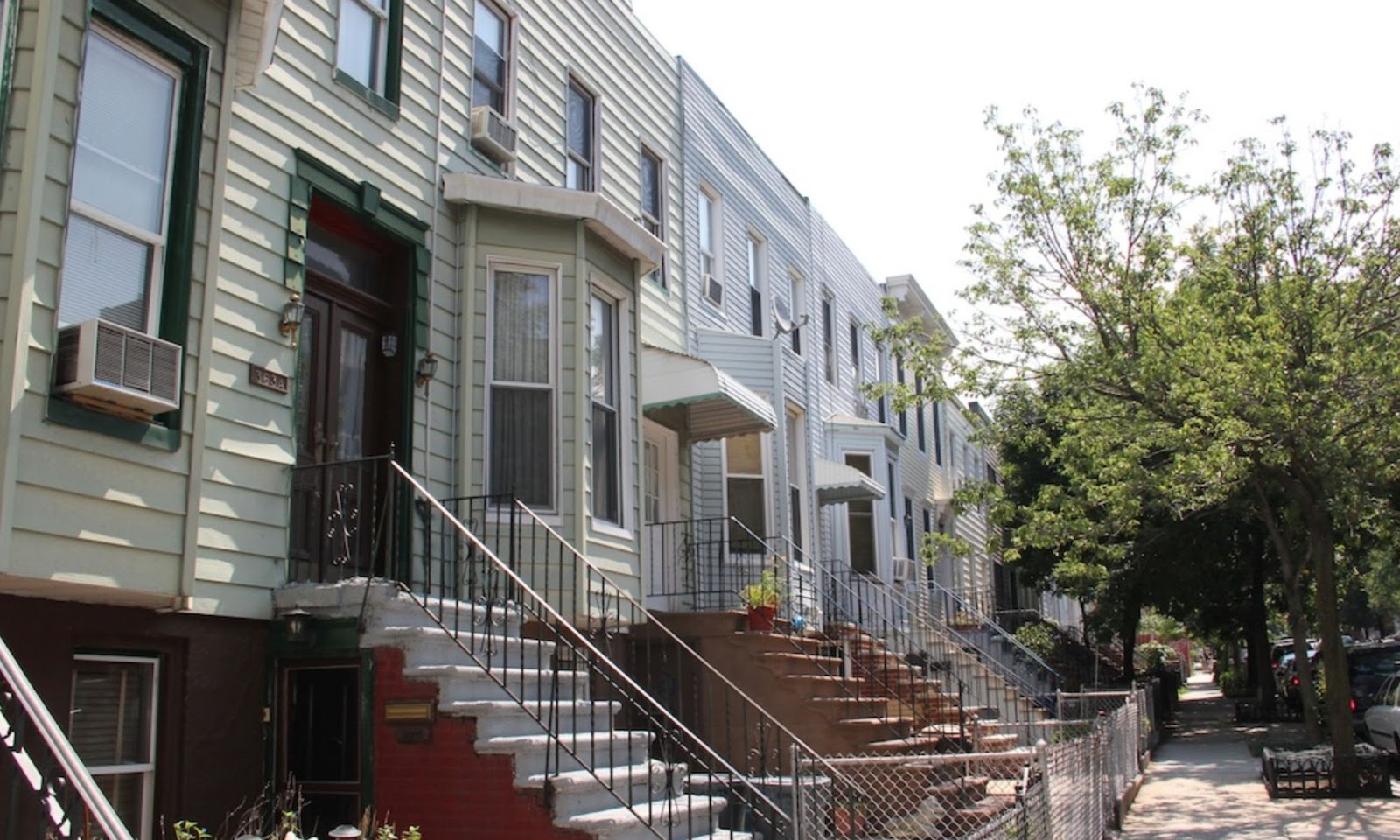
Despite the vulnerability of wood in certain situations, it has always been a flexible material that can withstand low-intensity earthquakes or light tornadoes. In areas that are prone to more intense hurricanes or tornadoes, wooden houses usually have basements built of bricks that serve as a safe haven. If the house suffers any damage, it is cheaper and faster to repair it if it is wooden rather than, say, brick.
Another very important reason for building wooden houses is that the taxes on houses built from this material are lower than those paid by owners of brick-built houses.
Sources: