

One of the biggest environmental challenges in large cities is air pollution. City authorities try to monitor this issue through various monitoring stations and air sample analyses, but these measures only provide post-factum assessments. Environmentalists around the world fight against exhaust emissions, but in some cities, these efforts seem futile. Air pollution levels vary across different parts of New York City, and unfortunately, Brooklyn has become one of the most polluted boroughs in this regard. More on brooklyn-name.com
What’s Choking Williamsburg?
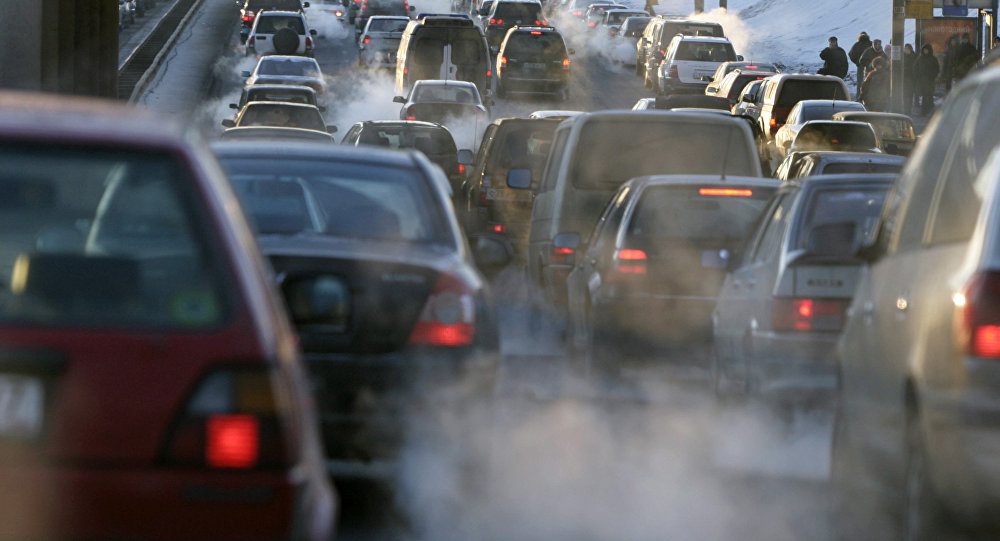
The northern part of Brooklyn, including Williamsburg, ranks among the most polluted areas of the borough. A high concentration of waste transfer stations in these neighborhoods has led to increased air pollution and, as a result, a higher incidence of respiratory diseases. This area has the highest asthma rates in Brooklyn.
Additionally, the Brooklyn-Queens Expressway runs through the borough’s center, further increasing the level of vehicle emissions. On top of this, Greenpoint has seen a significant number of building permits issued in recent years, leading to an increase in construction waste, dust, and heavy truck traffic.
Despite issuing these building permits, the city government has not taken much responsibility for maintaining air quality. As a result, local activists, particularly the organization North Brooklyn Neighbors (NBN), have taken matters into their own hands. They have installed a network of air pollution sensors across Greenpoint and throughout Brooklyn to provide real-time pollution data and inform residents. These sensors also serve as a tool for pressuring the authorities to take action. Monitoring stations have been placed along Greenpoint Avenue, West Street, Oak Street, Norman Avenue, Nassau Avenue, Russell Street, Guernsey Street, and Driggs Avenue, among others.
Moreover, NBN has initiated indoor air monitoring stations to measure how outdoor pollution affects air quality inside homes and office buildings.
The Best for Children!
Scientists have repeatedly proven that public transportation is a better environmental alternative to personal vehicles. However, many old school buses still operate throughout New York City and Brooklyn, contributing significantly to pollution.
Brooklyn’s environmental activists, particularly NBN, have advocated for the replacement of these school buses with zero-emission vehicles. However, the city government ignored the issue due to budgetary concerns, leaving only activists to continue highlighting the direct correlation between pollution and public health.
The increased level of exhaust fumes is one of the main causes of asthma, particularly affecting children, who are the most vulnerable to air pollution.
The Dark Side of Industrial Development
Despite some Brooklyn neighborhoods transforming into cultural hubs for young creatives and hipsters, many industrial areas remain and continue to harm the borough’s air quality.
At times, local residents have complained about foul odors and heavy smoke. In response, North Brooklyn Neighbors and NYU Langone Health conducted air quality tests in various locations, including the Scheel Corporation, McGuinness Boulevard, United Transit Mix, the Brooklyn-Queens Expressway entrance, and the Satmar Matzah bakery.
The results revealed that pollution levels in these locations exceeded safe limits. The samples contained volatile organic compounds (VOCs), with benzene levels surpassing the annual concentration threshold. Carbon tetrachloride was found in all samples, exceeding safe exposure limits. Additionally, the tests detected fine particulate matter (PM2.5), which is primarily produced by vehicle exhaust emissions.
Brooklyn environmental activists continuously monitor air quality across the borough, but effecting real change remains a difficult battle.