

Recently, experts have noted a steady improvement in air quality in Brooklyn. But at the same time, it can just as easily deteriorate. The main sources of air pollution in the state are vehicle exhaust emissions and out-of-state emissions. This leads to the formation of ground-level ozone, a harmful air pollutant that travels long distances from its source and negatively affects human health and the environment.
In this context, it is important to know that every resident of the borough can influence these processes. For example, to clean the air, you should drive less, use public transportation, and save energy at home by adjusting thermostats and using efficient appliances. In addition, it is important to support city initiatives such as the transition to clean fuels and green areas, as well as plant trees yourself whenever possible. Read about the state of the air in Brooklyn, the causes of its pollution, and ways to clean it up at brooklyn-name.com.
Ground-level ozone levels
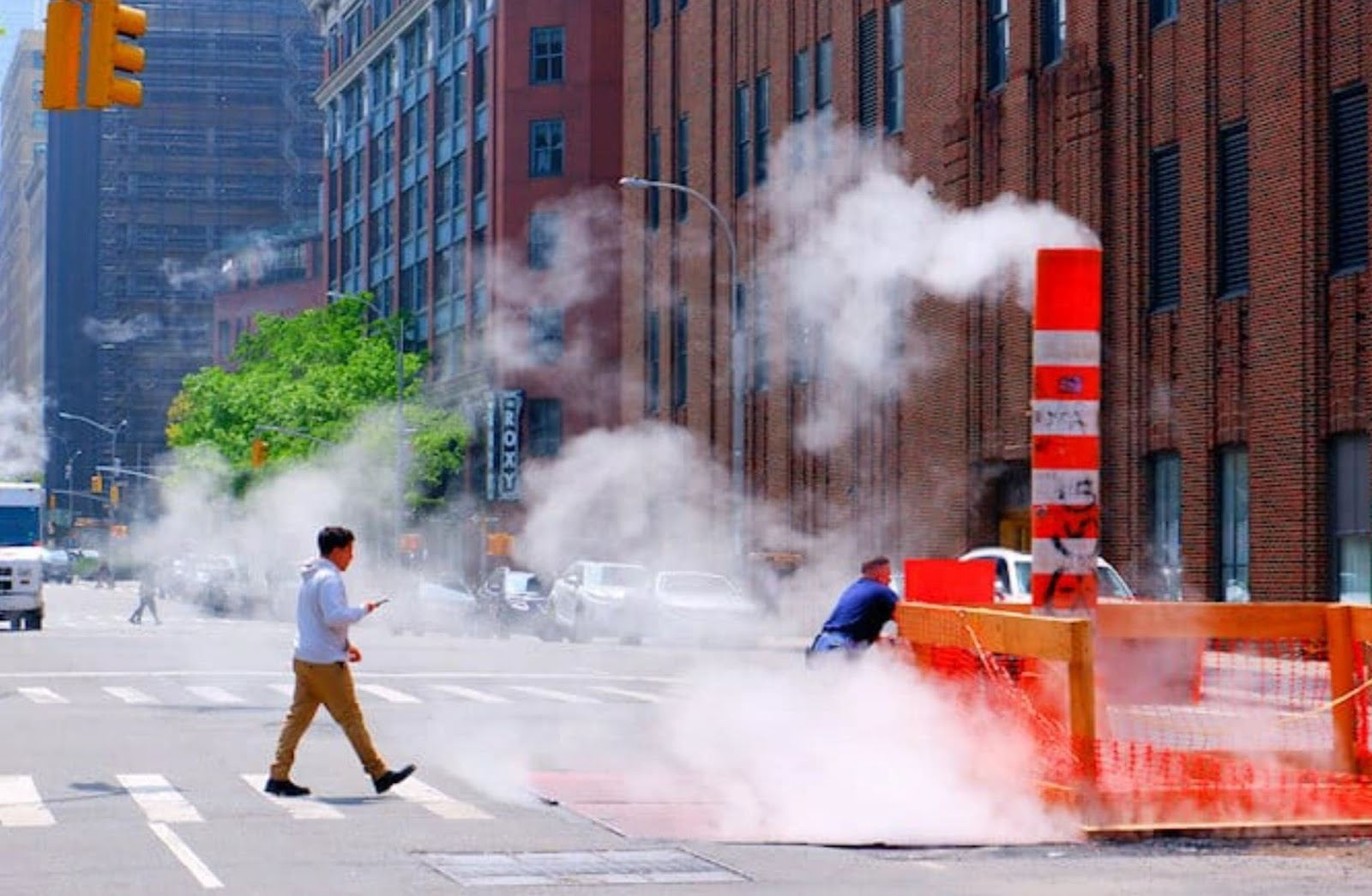
As you know, summer heat can lead to the formation of ground-level ozone, which is the main component of photochemical smog. Vehicle exhaust and emission sources outside of New York State are the main sources of ground-level ozone and one of the most serious air pollutants. Under no circumstances should this surface pollutant be confused with the protective layer of ozone that is found in the upper atmosphere.
To understand what ground-level ozone is, first, you should know that it is not a direct emission. Rather, it is a formation that occurs when sunlight reacts chemically with nitric oxide and volatile organic compounds, which, in turn, enter the atmosphere from car exhaust and industrial emissions.
Secondly, you can hardly see high levels of ozone visually; it is almost invisible because it is a colorless gas. But when its high concentration is formed, the gas creates a foggy sky, reducing visibility. And one more detail, such ozone is formed, or intensified, by the presence of smoke from forest fires.
Who is it dangerous for, if we are talking about residents of a metropolis like Brooklyn? First of all, people who have cardiovascular and respiratory diseases, such as asthma, should be wary of it. The gas also poses a danger to small children, the elderly, those who are involved in outdoor sports, and those who are intensively engaged in physical work outdoors. Keep in mind that when ground-level ozone levels are highest, usually in the afternoon and evening, you should limit strenuous physical activity outdoors.
You should also be aware that when the level of ozone outside is high enough, you should take shelter indoors and go home, as staying indoors reduces exposure to this dangerous gas. If you do not protect yourself from ground-level ozone, and later feel shortness of breath, chest pain, or cough, you should know that these are symptoms of breathing harmful gas, and you should consult a doctor.
Ground-level ozone levels decrease at night, and can also be minimized during daylight hours if you personally, and citizens in general, reduce car travel and use environmentally friendly clean public transportation whenever possible.
Air quality index
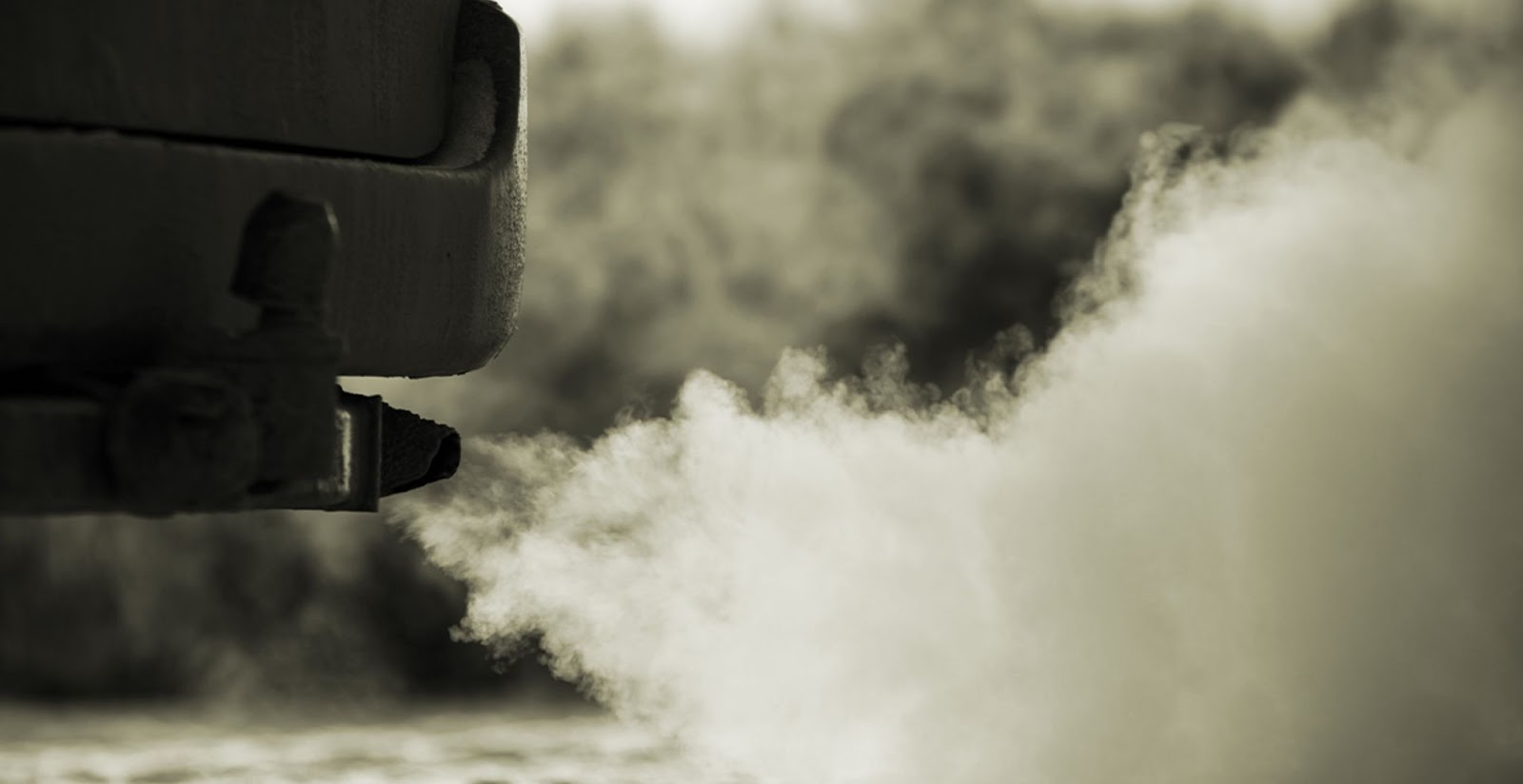
In the early summer of 2025, wildfires broke out in Canada. Massive forest fires create clouds of toxic smoke that disrupt air quality both in Canada and in some, usually neighboring, parts of the United States.
To understand how polluted the air in Brooklyn is, you should use the Air Quality Index. If this index is equal to or exceeds 100, it serves as a warning to borough residents to take precautions. This is especially true for people with respiratory diseases.
In general, by understanding what the Air Quality Index indicates, you can take measures to protect yourself from the harmful effects of air pollution in advance. What you should know – The Air Quality Index reflects the density of five pollutants. These are ground-level ozone, particulate matter, carbon monoxide, nitrogen dioxide, and sulfur dioxide.
This Index, as well as these five particularly harmful pollutants, were identified by the Environmental Protection Agency. This was done in order to inform the residents of Brooklyn, including about the condition of the air they consume, i.e., the air they breathe every day. The data included in the index is sent by pollution monitors in more than 1,000 locations across the country, including Brooklyn.
Air quality index scale

The index scale indicates values from 0 to 500. If the air is clean, the scale will tend to 0, but the higher the number, the worse the air. If the index is less than 100, it means that the level of air pollution in that particular place is considered not to cause a negative impact on health.
Conversely, if the index rises above 100, the air in Brooklyn, while still safe for many people, is at risk for those with heart or lung disease, or the elderly and children.
If the scale shows a value above 150, the ambient air is considered unhealthy, and even people who do not belong to sensitive groups may experience negative health effects. At 200, the air is considered particularly unhealthy, and all types of people are at risk of getting sick.
To make it easier to understand, the index is divided into six color categories that vary in color, from green for the best conditions to yellow, orange, red, and purple, and burgundy, which indicates the most dangerous levels. These colors are used on air quality forecast maps.
Returning to forest fires, it should be added that they are a fairly common cause of prolonged periods of air pollution. For example, in 2020, smoke from forest fires raised the index above 400 units in some parts of the United States of America.
In order to always know the level of air pollution in your place of residence, you need to track the Quality Index. The best way to find out the latest readings is to visit the AirNow website or app, which is maintained by the U.S. Environmental Protection Agency. They also offer separate maps of fire and smoke spread using data from portable sensors.
How not to pollute the air
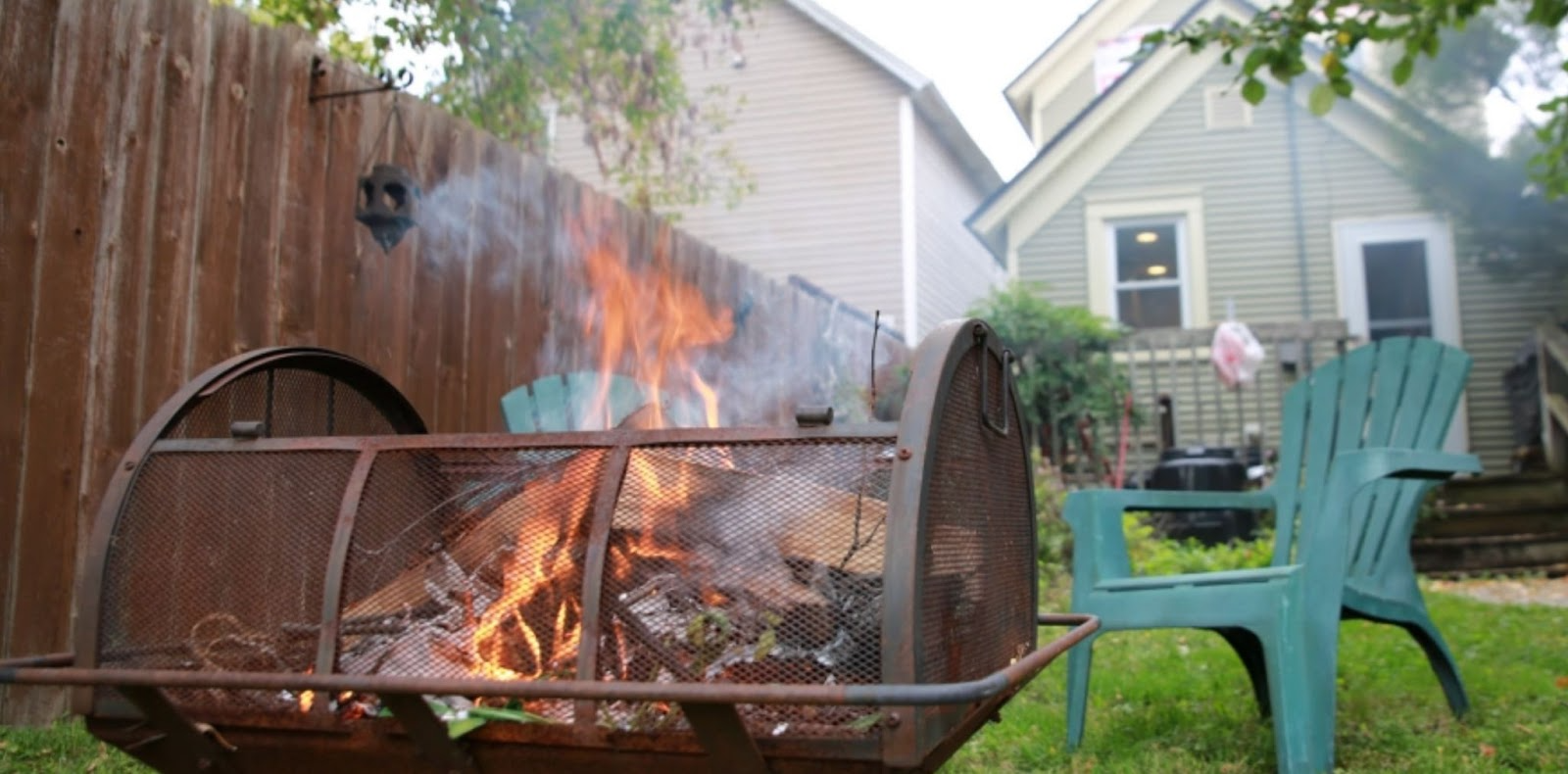
Brooklyn residents have many, albeit small, critical sources of air pollution in their homes. These include vehicles, construction equipment, lawn mowers, dry cleaners, backyard fires, auto repair shops, and more. These vehicles are operated by you or your family members, and they are located where you live or work. And here’s the kicker – the total emissions from these common sources are much higher than all industrial sources in the state combined.
So remember, using these units sparingly reduces air pollution significantly, making the air cleaner and you healthier.
Sources:
- https://www.pca.state.mn.us/news-and-stories/what-you-can-do-about-air-pollution
- https://dec.ny.gov/news/press-releases/2025/8/updated-air-quality-health-advisory-issued-for-long-island-new-york-city-metro-lower-hudson-valley-upper-hudson-valley-adirondacks-eastern-lake-ontario-and-central-and-western-new-york-regions
- https://www.nytimes.com/article/air-quality-index.html