

The history of Coney Island’s development as a resort is inextricably connected to William A. Engeman. It was he and his company who developed this Brooklyn neighborhood, which has become a world-renowned holiday destination. Learn more about the history of Coney Island and Brighton Beach at brooklyn-name.com.
The first hotel in Brighton Beach
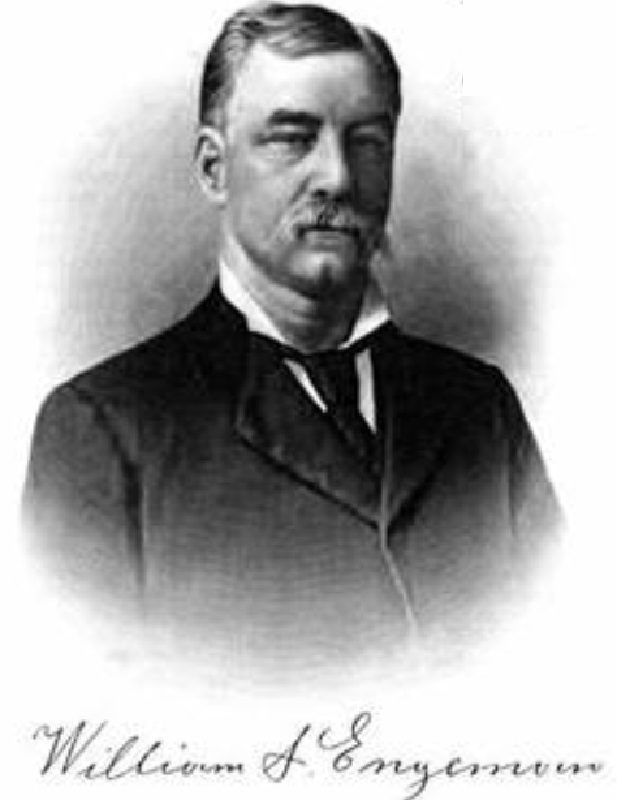
William A. Engeman was born in 1840 in New York City. As a teenager, he left his parents’ home in search of a better life and new opportunities. Throughout his independent life, the young man did everything he could to make a living. He worked as a carpenter and was not afraid to perform any job. It is known that the future businessman spent some time as a driver, driving a team of mules. Besides, it was this job that helped him become a millionaire. Following the outbreak of the Civil War, Engeman bought a number of mules and horses from farmers with whom he did business and sold them to the Union Army.
Here, Engeman became interested in land in the Eastern Coney Island area, today known as Brighton Beach. Despite the difficulties, he bought these lands as well as some property directly on the coast. It was Engeman who named the neighborhood Brighton Beach.
In June 1870, the upcoming businessman started his first project constructing a two-story building on Brighton Beach. He named his first hotel the Ocean Hotel. This structure served more than just as a tourist hotel. It was also used as Engeman’s business office. The first step has been taken. The next step for the businessman was the construction of a pier. The work began at the end of June 1872. It was the first pier in Coney Island. Interestingly, the pier was built just in time for the July 4th celebration. They built it very quickly. Some claim that the pier was not very grand, therefore it was not even advertised in the newspapers at the time, unlike the hotel.
Outdoor aquarium
The next step was the opening of an aquarium, which was supposed to draw visitors and outdo Manhattan Beach, with which, by the way, there was an unofficial competition for vacationers. Well, it wasn’t really an aquarium. Engeman took a rather straightforward approach. He built a wooden fence next to the pier, a few meters from the coast, which served as an aquarium. Later, an observation deck appeared above the aquarium, and voila… For a nominal charge, anybody could access this deck and observe from above the underwater activities of marine life, particularly, ocean life. To make things more exciting, up to a dozen sea lions and three large sea turtles were released into the enclosure. A pair of sea lions soon had cubs, attracting more visitors to the improvised aquarium.
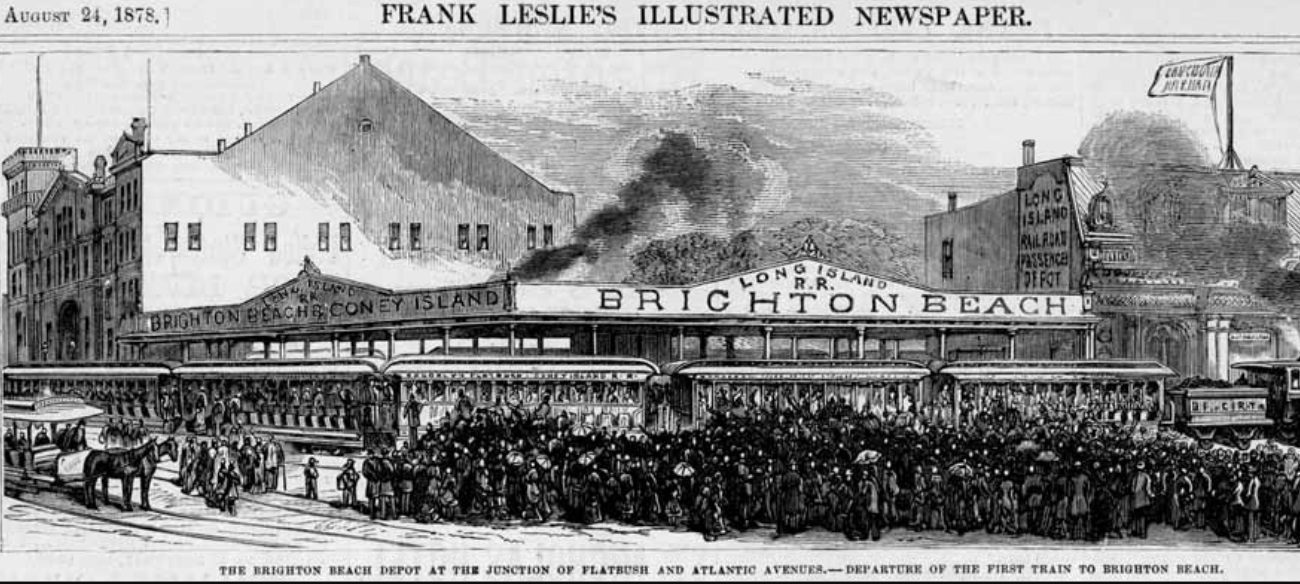
To expand the prosperous business, Engeman planned to construct another hotel, a swimming pool and a racetrack. But he didn’t have the money to carry out his plans, so he accepted an offer from the Brighton Beach Railroad Company, which intended to make money by transporting passengers to Brighton Beach. A railway was to be built here specifically for this reason. Furthermore, the Brighton Beach Railroad Company was eager to establish its own hotel here. Enegman authorized a railway line to be constructed on his land and set aside space for the construction of a hotel. In return, he acquired a portion of the company’s shares as well as a sum of money he needed to put his plans into action. As a result, he constructed a swimming pavilion that was even larger than planned as, following the opening of the railway connection to Brighton Beach, masses of visitors were expected here.
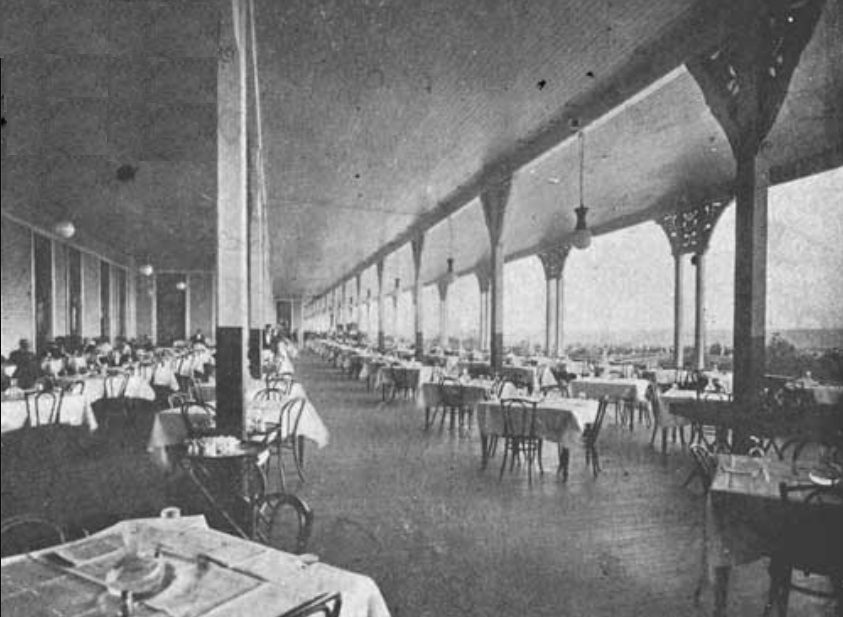
As promised, the Brighton Beach Railroad Company erected a magnificent hotel next to the Ocean Hotel. It became known as the Brighton Beach Hotel. It was located on the western side of Coney Island Avenue. It became a popular vacation destination for upper- and middle-class Brooklynites and their families. Interesting fact: in 1880, the price of a hotel room without meals varied between $2 and $5 per night. Hotel staff made an average of one dollar a day. A multi-course dinner with wine in a restaurant, for example, cost approximately $1.50 per person.
The Brighton Beach Fair Grounds, or Engeman’s Race Course
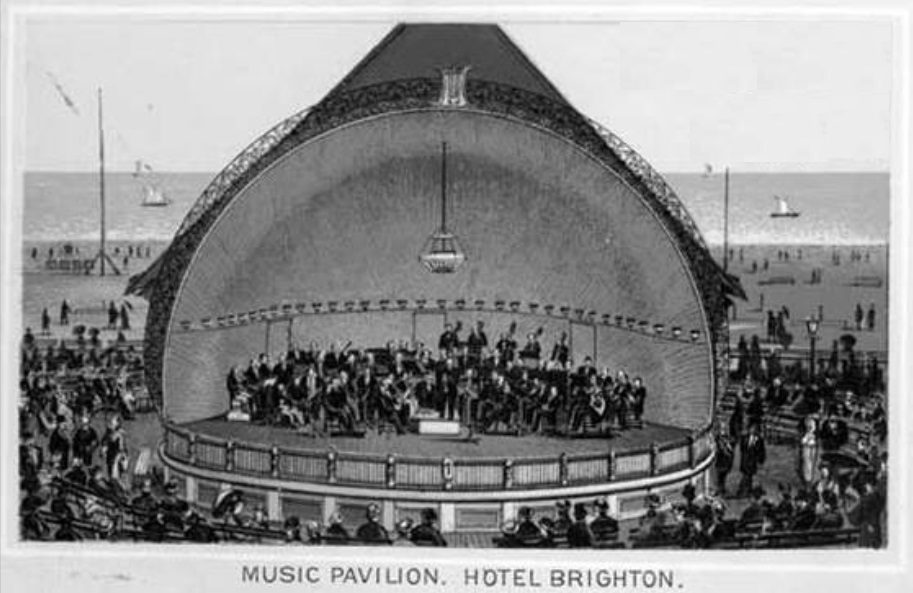
One of the features worth mentioning is the summer stage. A half-shell-shaped grandstand was constructed near the hotel, directly in front of the entrance. There were spectator seats in front of it. It was the first summer stage in this area. Various artists have performed here, including world-renowned cornetist Jules Levy and other musicians. This “shell” even hosted the performance of Neuendorff’s fifty-piece symphony orchestra.
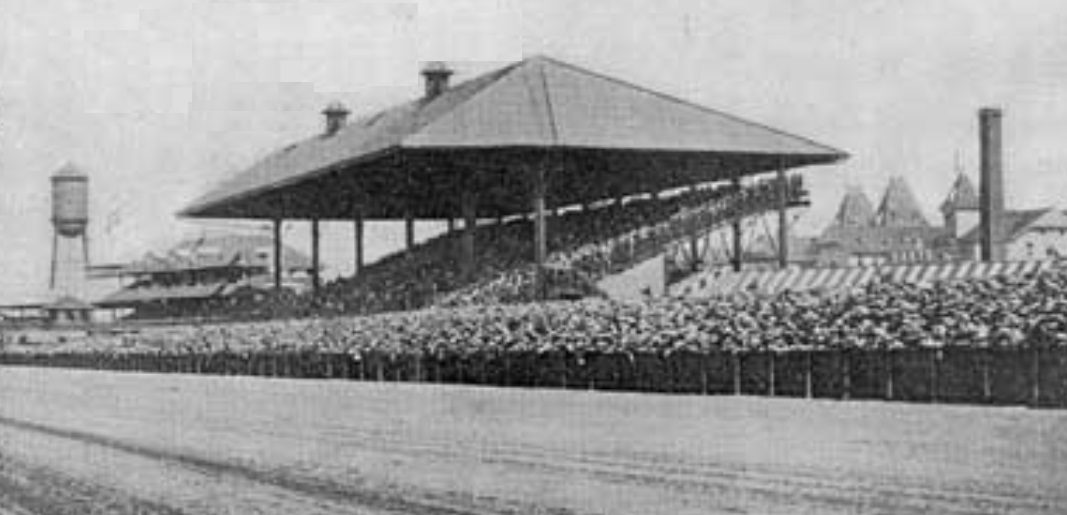
In 1879, Engeman finally got his hands on another of his dreams, a race track. The businessman gave it the name Brighton Beach Fair Grounds, but most people referred to it as Engeman’s Race Course. Everything in Brighton Beach centered around the hotel of the same name, and the racetrack was no exception. The track was built behind it. Its length was one mile. During the racing season, the Engeman track was open every day except for Sunday. By the end of 1883, the businessman possessed considerable assets.
Bill Engeman died from Bright’s disease on January 11, 1884. At the time of his death, he was 45 years old. Bill’s half-brother, George, took over the management, as his son was still underage.