

The first mill in Brooklyn was constructed on Long Island, in Flatbush. The history of its construction is quite fascinating. The mill was made of wood, namely oaks that grew here. The foundation and basement were built of stone. Overall, it was a tall, four-story building. It’s interesting to note that, in those days, you could see the ocean from it. Of course, such a mill was equipped with massive sails. As you know, their length was more than 26 feet, or about 8 meters. Local farmers came here to grind their grain. Find out more information about the history of the first mill in Brooklyn at brooklyn-name.com
Construction of Vanderveer’s Mill
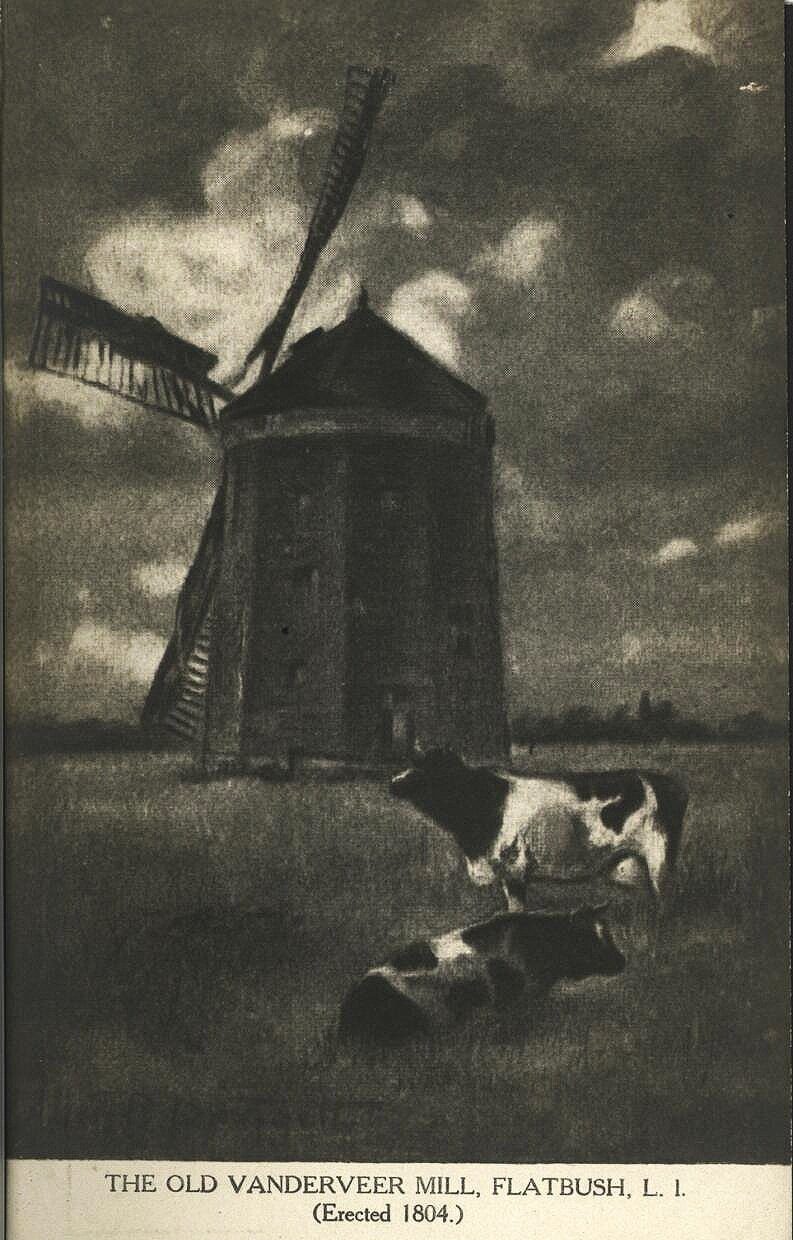
The mill was built by the Vanderveer family, from which it got its name. Its construction was finished in 1805. The structure was erected at the intersection of Clarendon Road and Rogers Avenue.
It was one of the most durable structures the city could boast at the time. The foundation of the building spanned more than three feet in width. It was also buried deep in the ground. The structure atop, on which the containers were built, was constructed of wood and was made in the style of old Knickerbocker. The wood beams were weighty and enormous.
Aside from local farmers, grain was ground here by the black residents of Flatbush, who were enslaved by those same farmers. Thus, the mill played an important role in the lives of local African Americans, saving them from starving to death. They mixed flour with fat and made simple loaves of bread.
During the times of slavery, when white people lynched African Americans, they fled their homes and sought refuge in Vanderveer’s Mill. Frequently, they had to run with only what they were wearing. It is known of a case in which progressive Flatbush residents, upon learning that black people were hiding in the mill, gathered provisions and brought them there. However, the local watchman, believing that the citizens of the city had come to deal with the refugees, did not open the gate, barricaded them and refused to let anybody in. Only after long negotiations did the gentlemen from the city persuade him to open the gate and take food.
Twenty years without windmills
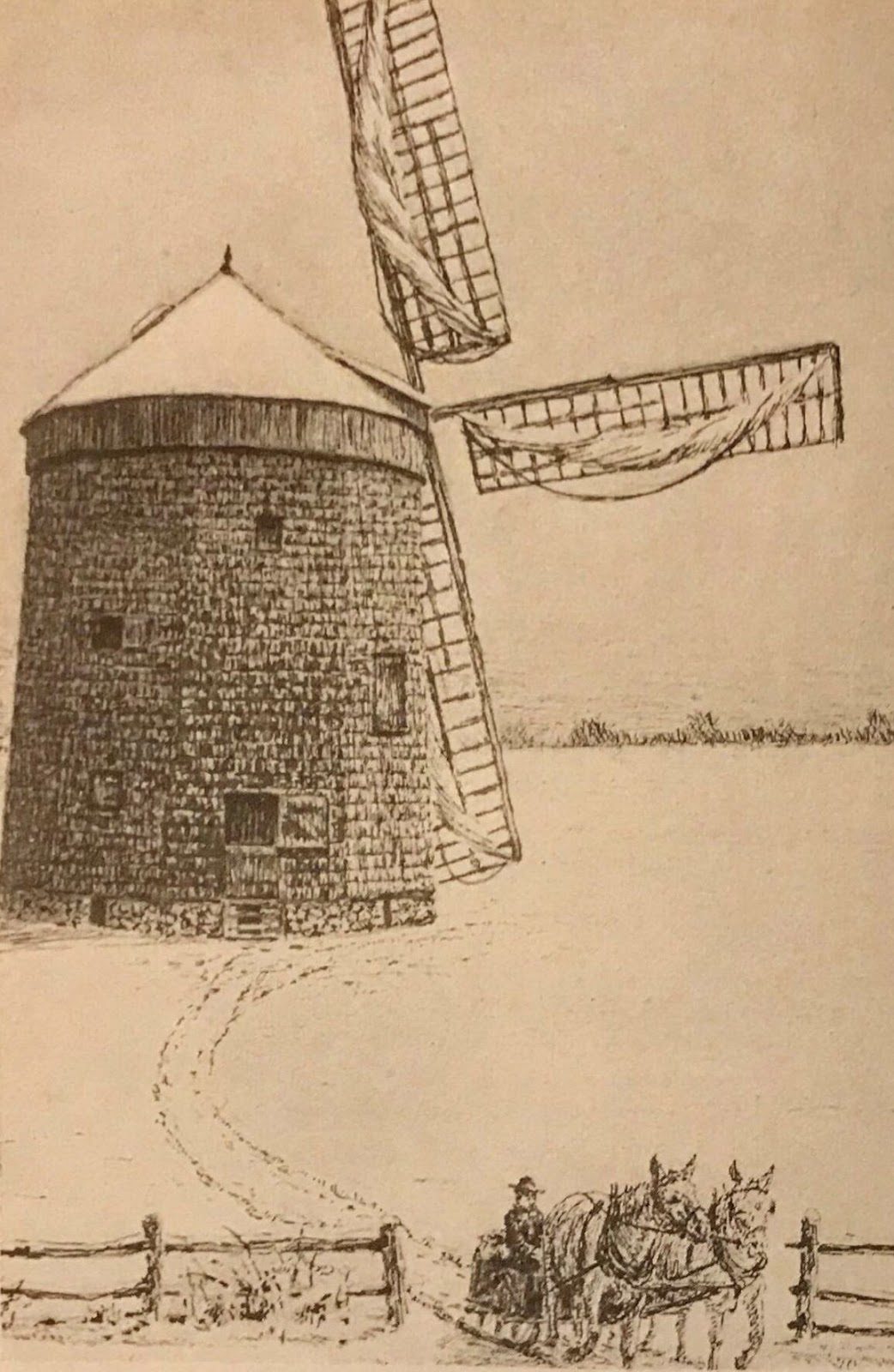
There were also some unpleasant moments throughout the mill’s history. Its sails were blown away by storms twice in its history. For two decades, it served as a storehouse for hay or corn stalks. Later, the place only hosted white owls, who had always resided there.
On March 4, 1879, another unfortunate event occurred in the history of Vanderveer’s Mill. On this day, the mill caught fire, resulting in large-scale destruction. It was noticed only at seven o’clock in the evening. Eyewitnesses saw flames bursting out of windows in the lower part of the building. Immediately, they reported the fire. They even made attempts to put out the flames on their own, but they were unsuccessful. The fact is that there was not a single drop of water within a 500-meter radius. Thus, the mill was left to its fate. The fire spread slowly but steadily through the old solid structure, eventually enveloping it completely. The residents were concerned about what had happened. A few hours after the fire broke out, a large crowd gathered around the building. They formed a live circle around the burning mill. Many people stood there all night.
The fire crew eventually got to the scene, although it took a very long time. Furthermore, when firefighters arrived, they discovered that there was no water, so their efforts were twice in vain.
Consequences of the large fire
Vanderveer’s Mill burned to the ground. The fire was so strong that witnesses stated the flames could be seen from Manhattan. Despite the fact that the building’s shingle caught fire and fell off almost immediately, the oak base held on for quite some time. The fire raged around it all night, but it didn’t give in to the flames until the morning. Yet even the oak tree couldn’t withstand the hellish temperatures. As a result, the structure that had served people for over 70 years collapsed. It is believed that the arson was carried out by thieves or beggars.
In its final years, the building was not used as a windmill. The mill was rented to a man named Craimor, who used it to store his oats. Mr. Craimor, who came there every morning, discovered traces of nighttime occupants such as thieves and vagabonds. They slept in the hay, nestling themselves in it like a feather bed to keep themselves warm. Perhaps some of them, willingly or accidentally, started the fire. The belief that they were thieves was reinforced by the number of robberies in and around the city over the previous month.
However, there was another theory about the arson. It was allegedly caused by thieves who wanted to annoy either Mr. Craimoror or Mr. Vanderveer. Although, at least some proof of this version was never discovered. Flatbush police attempted to find out who set the fire but were unsuccessful.
All of Mr. Craimor’s supplies, specifically hay and animal feed, were destroyed. His losses amounted to approximately $150. Mr. Vanderveer’s losses as a result of the mill’s destruction were estimated to be around $900. It is known that it was insured for $500.
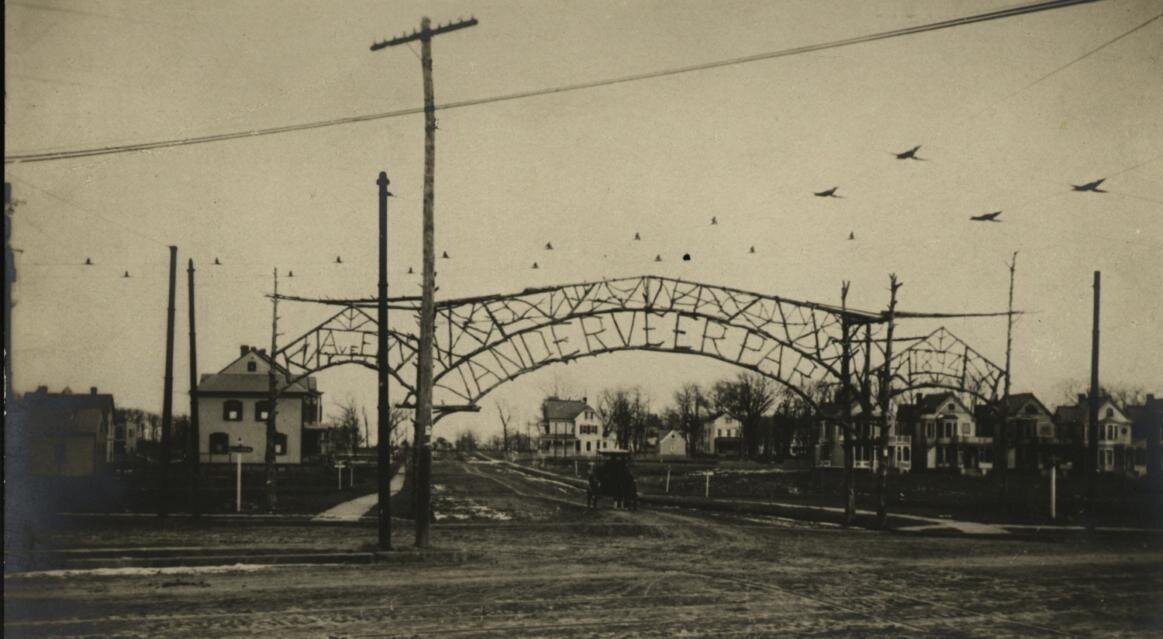
Even at the time, Vanderveer’s Mill, located on the farm’s hill at the southern end of the village, was regarded as one of the most remarkable ancient monuments of the city of Flatbush. Later, John Vanderveer established a park in the city, but that’s a completely different story.