

When it comes to the zoo’s history in the Brooklyn borough, it dates back to a time before the city became part of the great New York. However, a modest menagerie that appeared in the late 1800s could hardly be considered a real zoo in the conventional sense of the term. The 1896 Annual Report entry mentioned “live cattle” possessed by the Brooklyn Parks Commission. It included primarily domestic animals, such as 59 sheep, a buffalo, a cow, 10 rabbits, one dog, eight chickens, eight pigeons, 39 Chinese geese, 15 Egyptian geese, seven musk ducks, four common ducks, and three turkeys. However, there were several wild animals, including three bears, a cougar, two raccoons, 28 deer, and one eagle. Learn more about the Brooklyn zoo in Prospect Park at brooklyn-name.com
The zoo on Flatbush Avenue
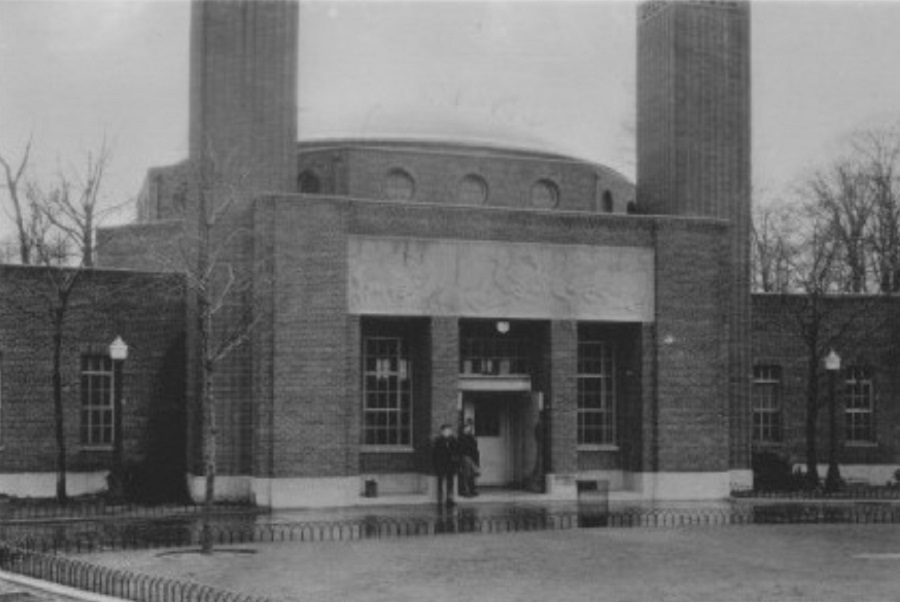
This diverse variety of animals was formally registered as the Prospect Park Zoo on Flatbush Avenue. It opened to the public on July 3, 1935. According to the Works Progress Administration (WPA) initiative, the zoo was part of a large-scale citywide park improvement program initiated and carried out by former Parks Commissioner Robert Moses. New York Governor Al Smith, who previously volunteered to oversee the Manhattan zoo near his home and later became known as the “night superintendent” of that zoo, referred to the zoo in Brooklyn’s Prospect Park as a “renting agent.” To his satisfaction, he mentioned that two-thirds of the “apartments” were occupied and that tenants were highly sought-after.
Similar to the Central Park Zoo, the original old Park Zoo eventually became outdated and imperfect as time passed and new knowledge about the needs of captive animals emerged. As a result, thanks to a partnership, in the early 1980s, the Wildlife Conservation Society took over the reconstruction and management of a new zoo in Prospect Park. After 53 years of operation, the Prospect Park Zoo was closed for renovation in 1988. The closure marked the beginning of a five-year, 37-million-dollar reconstruction program that entirely transformed the zoo, with the exception of the 1930s exterior buildings.
Renovations at the Prospect Park Zoo
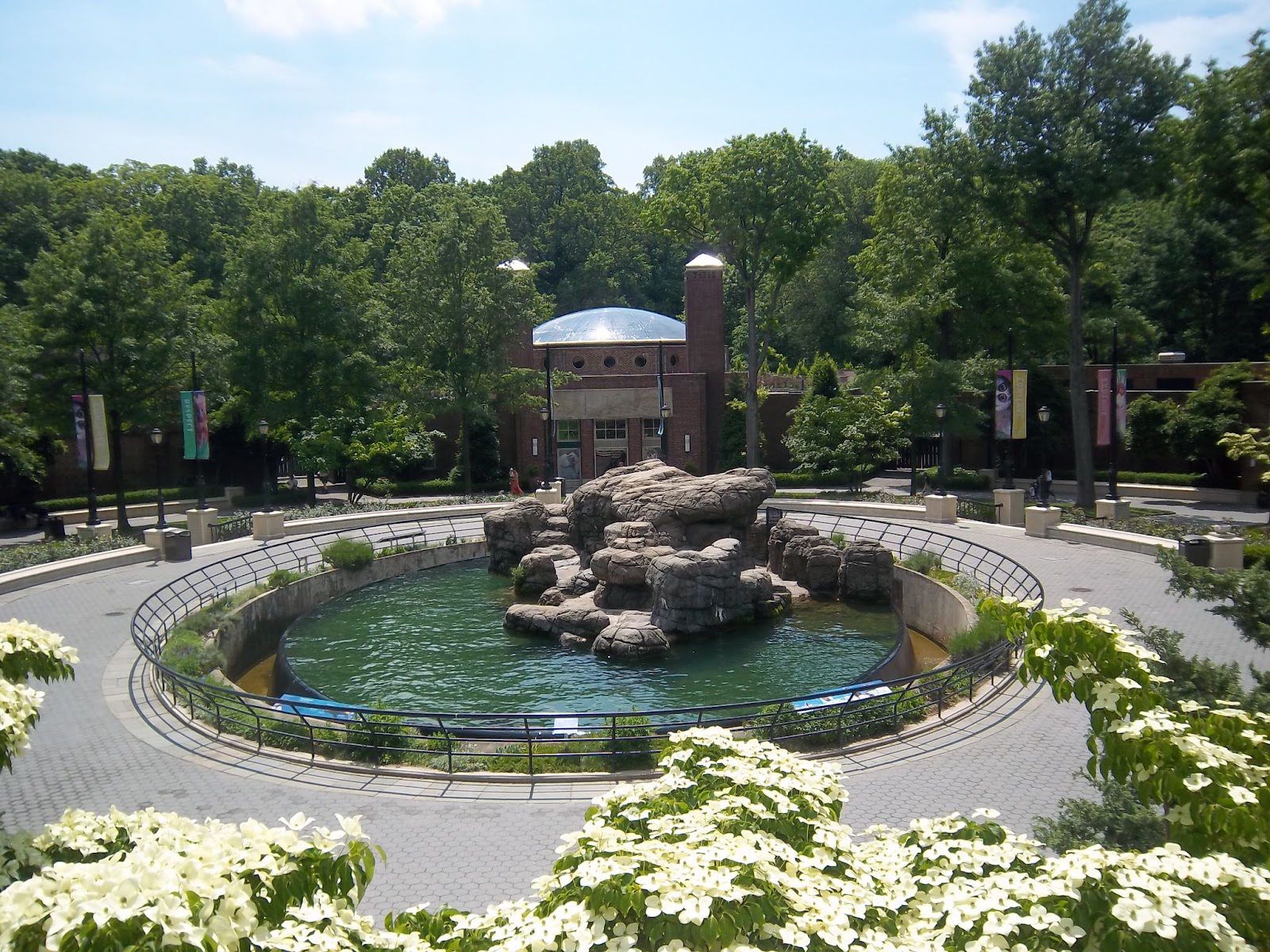
Some architectural elements of the old zoo have been preserved, such as the primary layout of the zoo’s center, however, the terrible animal living conditions have been eliminated or improved. The renovated Prospect Park Zoo opened on October 5, 1993.
The Prospect Park Zoo in Brooklyn, like the Central Park Zoo in Manhattan, has preserved limestone relief works created by the great sculptor and animalist Frederick Roth. His most renowned sculpture is a sled dog named Balto, which is located in Central Park. In Prospect Park, there are eleven bas-reliefs representing characters from Rudyard Kipling’s classic work “The Jungle Book”. Among them, of course, is Mowgli, a boy raised by wolves. Bas-reliefs have been preserved to this day. These works of art provide a vivid representation of how artists portrayed animals in the nineteenth century.
Here, you can also find another example of nineteenth-century animal art, “Lioness and Cubs” by French sculptor Victor Peter. It is located east of the pond with sea lions. This is a gift from the renowned sculptor Frederick MacMonnies, who himself is represented by a good dozen works in New York parks, including the “Horse Tamers” in the same park. There is also a piece of white marble depicting a naked boy with his faithful dog. The sculpture is known as “Boy and Dog” and was produced in 1866. It’s located in the Education Center.
Lions, monkeys, hippos and elephants
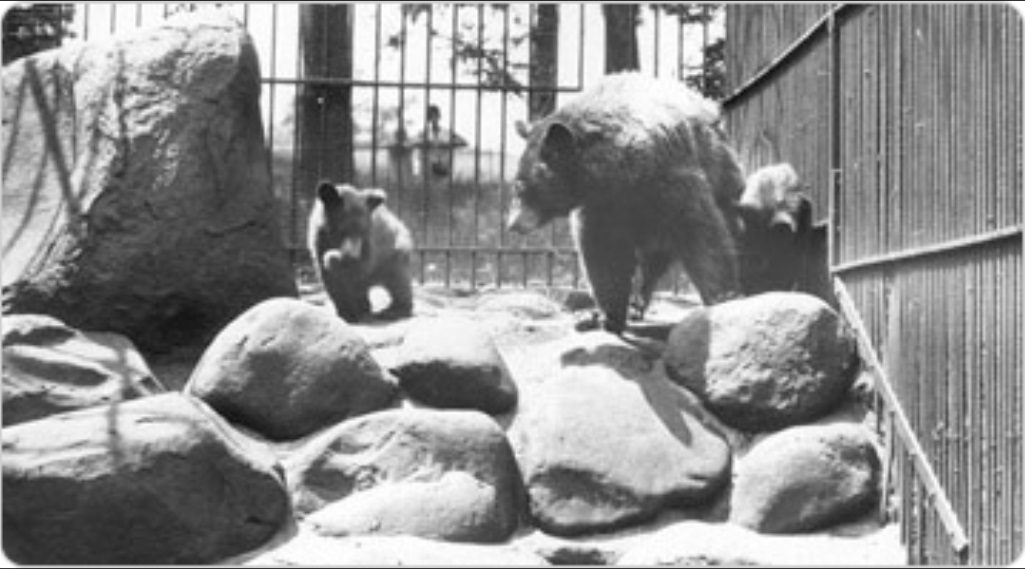
Both then and today, a gorgeous plaza and seal pool serve as the focal points of the zoo’s semicircular fan-shaped layout. Its geometric design differs from typical zoo designs. It is constructed around a winding path through animal habitats. The 7-acre zoo houses lions, monkeys, birds, hippos, and elephants in a large domed building. The most modern ventilation system is designed to keep the cells clear from the smells. There are also bear dens with boulders that resemble the mountainside facing Flatbush Avenue and are protected by a protective moat.
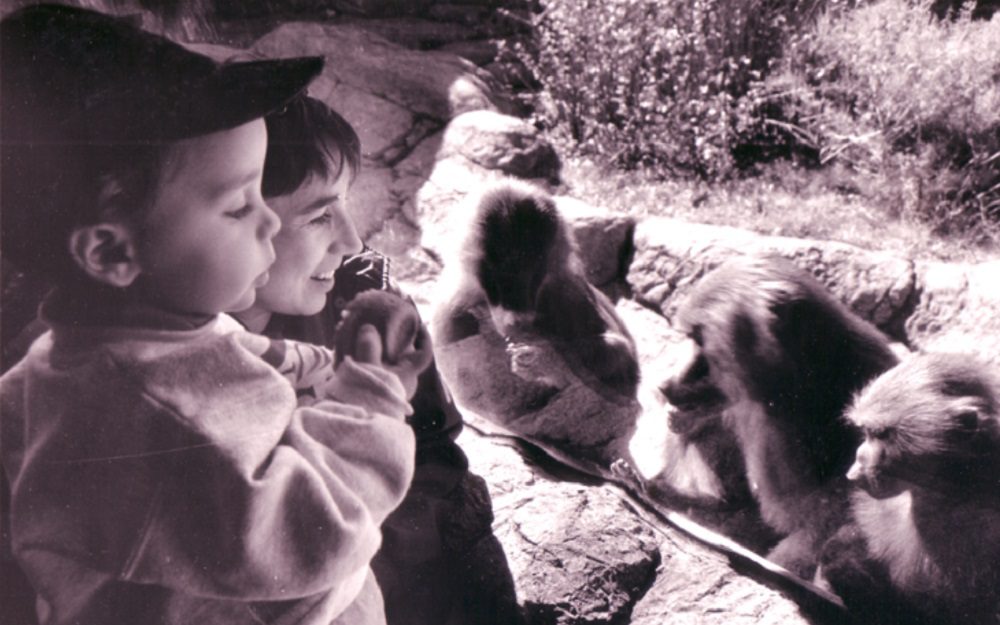
There were also a few modifications. For example, where the former polar bear exhibition had stood, there is now an administration building. A tragic event occurred here before the facility was closed for restoration. In 1989, two boys came to see polar bears and were attacked, after which only one child survived.
Following the incident, lattices, cages, and pits were replaced by naturalistic habitat displays. Although the three main exhibition areas were designed to engage children in wildlife exploration. Overall, the updated Prospect Park Zoo focused primarily on small animals. The administration opted to follow the practice of keeping large animals in large zoos that are better equipped for their care. Among the improvements, we should mention the sculptural project of animal-shaped topiaries, which was completed in 1993. It adorns the path near the administrative building.